How Kazakhstan’s demographic landscape transformed from nomadic roots to a modern urban state
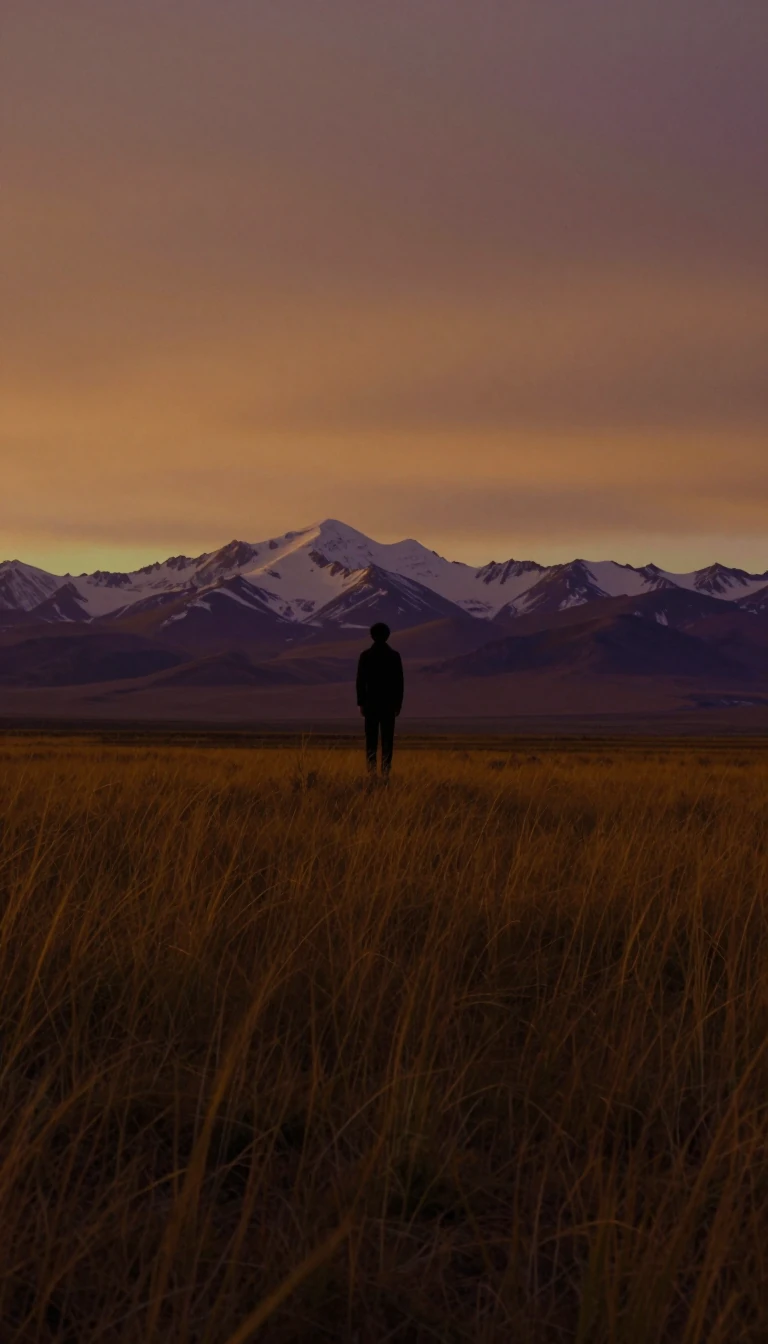
In short: Kazakhstan’s population has endured a volatile history, shaped by devastating mid-century famines, mass Soviet-era migration, and shifting ethnic majorities. Today, the nation is experiencing a demographic resurgence, transitioning from a rural, nomadic past to an increasingly urbanized society that reflects a complex interplay of historical colonization and modern independence.
The demographic history of Kazakhstan is marked by profound instability. In the 19th century, the region was home to a nomadic Kazakh population that traced its origins to the 15th-century Kazakh Khanate. However, Russian colonization, beginning in the late 18th century and accelerating with the 1906 completion of the Trans-Aral Railway, fundamentally altered the landscape. By the 1920s and 1930s, Soviet policies of forced sedentarization and collectivization triggered catastrophic famines. These events claimed the lives of an estimated 1.5 million ethnic Kazakhs—roughly 40% of the population at the time—and forced hundreds of thousands to flee abroad.
The mid-20th century saw further shifts as the Soviet government implemented the Virgin Lands Campaign in the 1950s and 1960s, encouraging hundreds of thousands of citizens to relocate to the steppes. By the 1959 census, ethnic Kazakhs had become a minority, comprising only 30% of the population, while Russians accounted for 42.7%. This demographic imbalance persisted for decades, with Kazakhs only regaining an absolute majority after the nation achieved independence in 1991. Since then, the trend has reversed; European ethnic groups have declined as many returned to their ancestral homelands, while Asian ethnic groups have seen continuous growth.
Today, the nation is rapidly urbanizing, with projections suggesting that nearly 70% of the population will live in cities by 2050. Current estimates place the population at over 21 million, with ethnic Kazakhs now representing approximately 71% of the citizenry. Fertility rates also show regional variation, remaining higher in the traditionalist south and west compared to the north and east. This evolution from a sparsely populated territory—with a density of only 5.5 persons per square kilometer—to a modern, urbanizing state highlights the resilience of a national identity that has survived centuries of external pressure and internal upheaval.
Opens the Intellect+ feed with this card first. Swipe up for the next one.
Sources
- Summary by Intellect · source: Demographics of Kazakhstan
To cite this card, link to https://intellectplus.co.uk/app/culture-demographics-of-kazakhstan.
How we source, check and correct cards: Editorial standards.
General information, not professional advice. Spotted an error? Flag the card or see corrections and complaints.
Intellect Plus is a visual educational discovery platform for exploring fascinating facts and ideas. Brain Food, Not Brain Rot. What is Intellect Plus?
Related
More in Languages · More in Cultures · Latest · A–Z · All topics
