Demotic: The Ancient Egyptian Script That Powered Daily Life for Over a Millennium
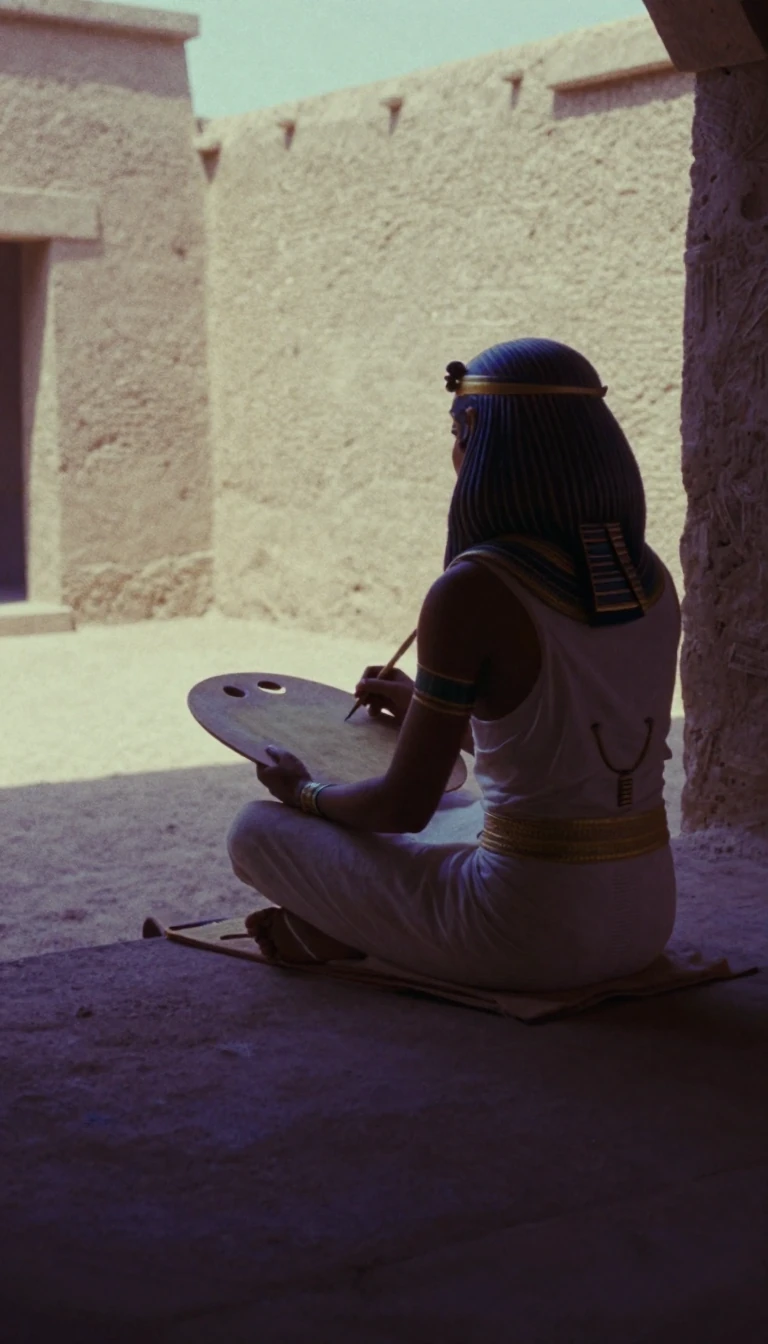
In short: While hieroglyphs adorned sacred monuments, Demotic was the workhorse of ancient Egypt. This cursive script, used for over a thousand years, managed everything from legal contracts to personal letters. Though eventually overshadowed by Greek, it remains a vital key to understanding the administrative and literary pulse of a civilization.
Demotic, a term derived from the Greek word for 'popular,' emerged in the Nile Delta as a cursive evolution of earlier hieratic writing. Known to the Egyptians as 'document writing,' it served as the primary script for administrative, commercial, and legal affairs. Unlike the monumental hieroglyphs reserved for religious texts, Demotic was designed for efficiency, written from right to left on papyrus and other smooth surfaces.
The script evolved through distinct stages. Early Demotic, dating from approximately 650 to 400 BC, gained official status under the Twenty-sixth Dynasty and the subsequent Achaemenid rule. During the Ptolemaic Kingdom, Middle Demotic (c. 400–30 BC) saw increased use in literature, though it eventually faced competition from Koine Greek, which became the administrative language of Egypt. By the Roman period, Late Demotic (c. 30 BC – 452 AD) saw a decline in public use, persisting primarily in graffiti and minor inscriptions.
The script’s structure was surprisingly sophisticated, featuring 'uniliteral' signs that represented individual phonemes, which comprised up to half of the characters in any given text. This phonetic flexibility allowed for the transcription of foreign words. The final known example of Demotic is a graffito at the temple of Isis at Philae, dated December 12, 452, simply recording the name 'Petise, son of Petosiris.' Today, specialists known as Demotists continue to study these texts to reconstruct the daily realities of ancient Egyptian life.
The decipherment of Demotic was a crucial precursor to understanding hieroglyphs. When the Rosetta Stone was discovered in 1799, it featured a proclamation in three scripts: hieroglyphs, Demotic, and Greek. By comparing the Greek text with the Demotic and hieroglyphic versions, scholars like Antoine Isaac Silvestre de Sacy were able to unlock the secrets of the Egyptian writing system, forever changing our perspective on the ancient world.
Opens the Intellect+ feed with this card first. Swipe up for the next one.
Sources
- Summary by Intellect · source: Demotic Egyptian script
- Also: www.britannica.com — Demotic script | Egyptian Language, Hieroglyphs & Papyrus | Britannica
To cite this card, link to https://intellectplus.co.uk/app/culture-demotic-egyptian-script.
How we source, check and correct cards: Editorial standards.
General information, not professional advice. Spotted an error? Flag the card or see corrections and complaints.
Intellect Plus is a visual educational discovery platform for exploring fascinating facts and ideas. Brain Food, Not Brain Rot. What is Intellect Plus?
Related
More in Languages · More in Cultures · Latest · A–Z · All topics
