Why we are obsessed with building, fixing, and creating things without any professional help
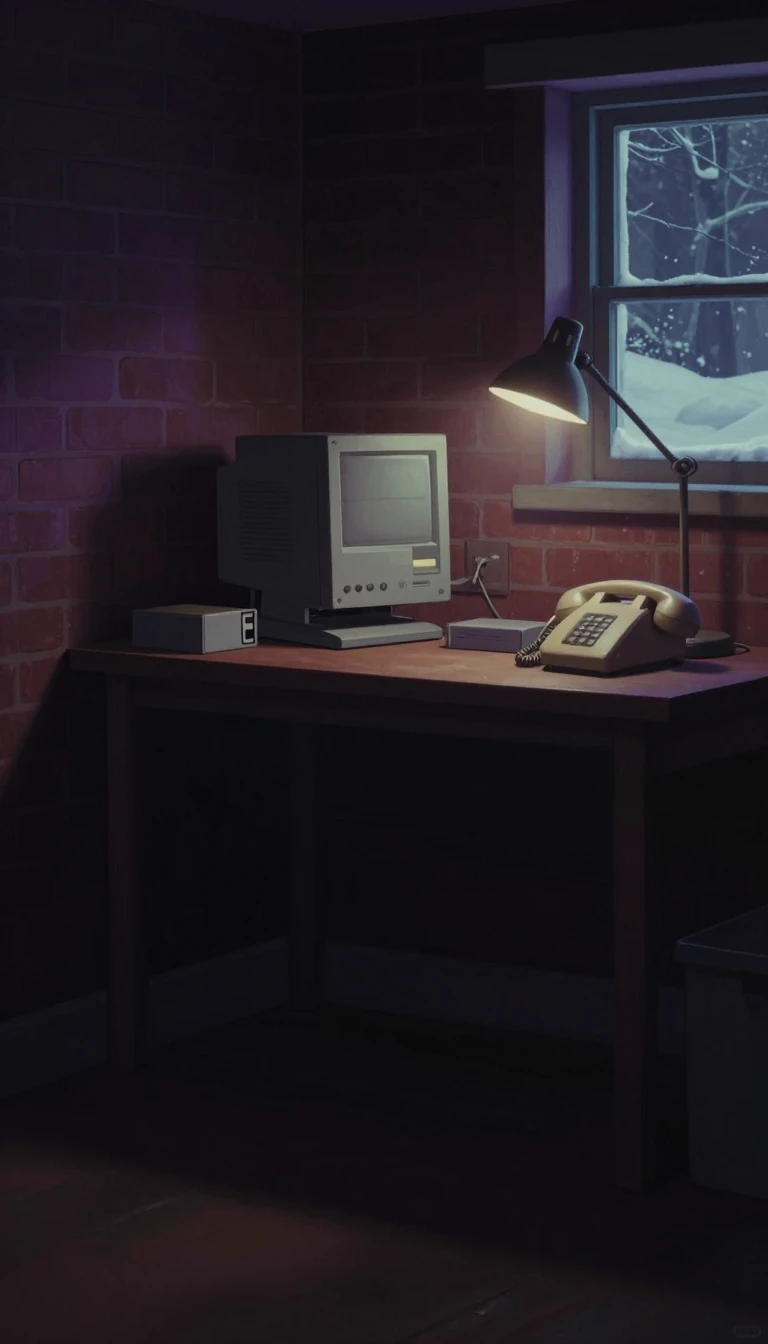
In short: The do-it-yourself movement is more than just a weekend home improvement project. It is a cultural pushback against modern specialization, where individuals reclaim agency by mastering skills once left to experts. From ancient assembly instructions to digital-age tutorials, DIY transforms passive consumers into active, self-sufficient creators of their world.
The impulse to build independently is ancient. Archaeologists discovered 6th-century BC ruins in southern Italy featuring coded symbols on components, functioning much like modern assembly manuals. While the term DIY gained common usage in the 1950s—initially centered on home maintenance and small crafts—it has since evolved into a broad philosophy of self-reliance. This movement serves as a reaction to the extreme academic and economic specialization of modern life, which often restricts individuals to narrow, isolated tasks.
By the 1970s, DIY became a powerful subcultural force. The punk movement utilized a DIY approach to bypass corporate music labels, allowing bands to record, tour, and distribute merchandise independently. Simultaneously, publications like The Whole Earth Catalog, launched in 1968 by Stewart Brand, provided a vital toolkit for this experimental spirit. These efforts were fueled by a desire for material competence, a sentiment echoed by philosopher Alan Watts, who argued that formal education often leaves people incapable of performing fundamental life tasks like cooking or building.
Today, the digital age has accelerated this trend, turning the internet into a global classroom. Platforms like YouTube and Instagram allow creators to share techniques for everything from repairing electronics to fashion design. Whether it is 'hacktivism' in the clothing industry or citizen science using open-source hardware, the modern DIY ethic asserts that anyone can master a diverse range of skills. By controlling the production process, participants move away from mass-homogenized culture, finding empowerment in the ability to create, repair, and customize their own material environment.
Opens the Intellect+ feed with this card first. Swipe up for the next one.
Sources
- Summary by Intellect · source: Do it yourself
To cite this card, link to https://intellectplus.co.uk/app/culture-do-it-yourself.
How we source, check and correct cards: Editorial standards.
General information, not professional advice. Spotted an error? Flag the card or see corrections and complaints.
Intellect Plus is a visual educational discovery platform for exploring fascinating facts and ideas. Brain Food, Not Brain Rot. What is Intellect Plus?
Related
More in Culture · More in Cultures · Latest · A–Z · All topics
