Most modern dog breeds are Victorian inventions, not ancient legacies of human history.
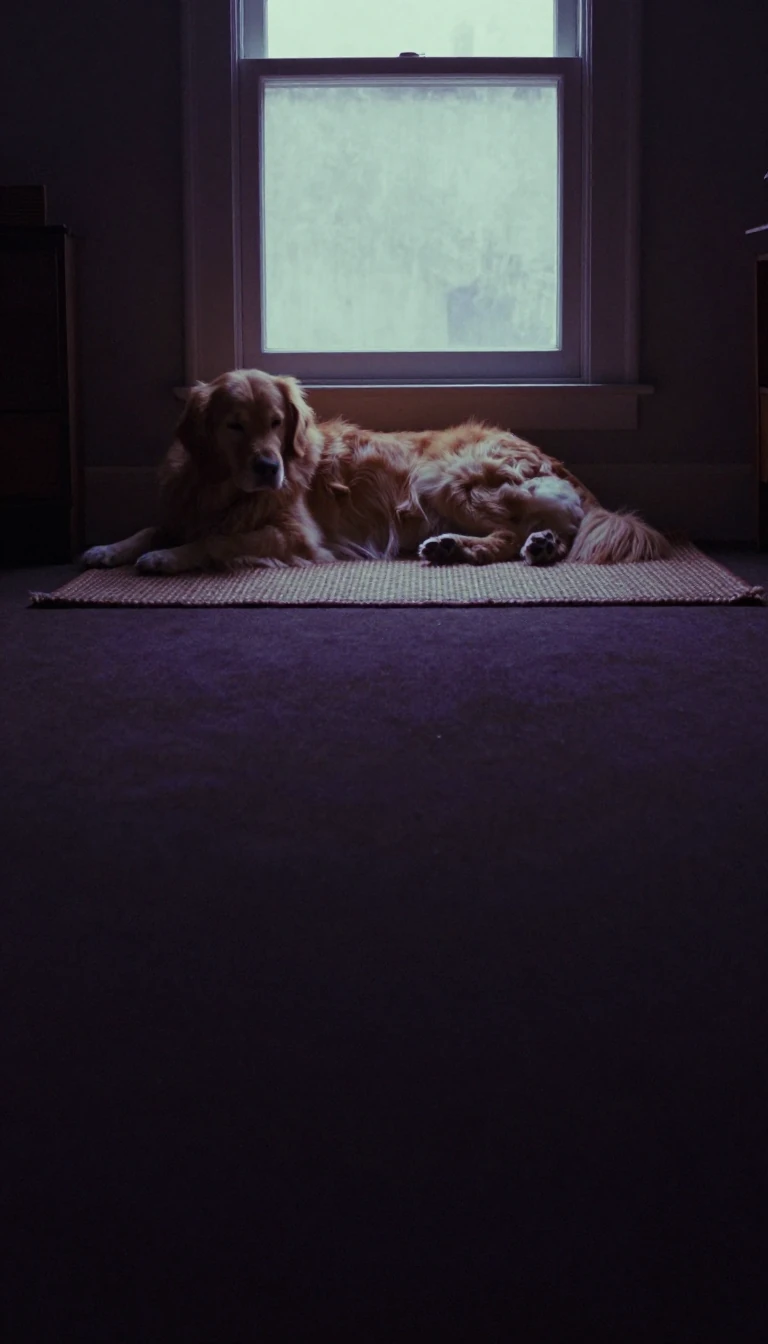
In short: While we often imagine our favorite dog breeds as ancient companions, most are actually products of Victorian-era selective breeding. Driven by 19th-century dog shows and the formalization of kennel clubs, humans reshaped dogs to prioritize specific aesthetic standards over their original functional roles, creating the vast phenotypic diversity we see today.
The modern concept of a dog breed is a relatively recent phenomenon. While humans have lived with dogs for millennia—evidenced by 9,000-year-old sled dogs on Zhokhov Island—the rigid standardization seen today largely emerged between 1830 and 1900. During this period, breeders began documenting pedigrees and establishing breed standards, mimicking the stud books used for horses and cattle. The UK's Kennel Club, founded in 1873, was the world's first national registry, setting a precedent that prioritized form and specific physical traits over the functional diversity that defined earlier types of dogs.
Genetic research complicates the narrative of 'ancient' breeds. Studies have shown that many dogs once labeled as ancient, such as the Pharaoh Hound or Norwegian Elkhound, are actually modern recreations. While some groups of dogs, like the Basenji or Siberian Husky, show distinct genetic divergence from modern European breeds, this often reflects geographic or cultural isolation rather than a direct, unbroken lineage of ancient heritage. In many cases, these 'basal' breeds have undergone their own histories of hybridization, meaning their genetic distinctiveness does not necessarily imply a static, ancient origin.
This shift toward standardization has had significant biological consequences. Because modern breeds were derived from small numbers of founders, they often possess less genetic diversity than mongrels. This narrowing of the gene pool is linked to increased health issues, including shorter lifespans and specific physical ailments, such as breathing difficulties in flat-faced breeds. While kennel clubs maintain these standards to ensure consistency, the process of artificial selection has effectively turned the dog into the most variable mammal on Earth, creating a vast range of shapes and temperaments that are increasingly disconnected from the functional roles their ancestors once performed.
Ultimately, the term 'purebred' is a social and administrative construct rather than a biological one. With over 360 to 450 globally recognized breeds, the diversity of the domestic dog is a testament to human influence. However, as experts note, the modern obsession with defined breeds often obscures the reality that most dogs were historically defined by their work, not their pedigree.
Opens the Intellect+ feed with this card first. Swipe up for the next one.
Sources
- Summary by Intellect · source: Dog breed
To cite this card, link to https://intellectplus.co.uk/app/culture-dog-breed.
How we source, check and correct cards: Editorial standards.
General information, not professional advice. Spotted an error? Flag the card or see corrections and complaints.
Intellect Plus is a visual educational discovery platform for exploring fascinating facts and ideas. Brain Food, Not Brain Rot. What is Intellect Plus?
Related
More in UK & Irish culture · More in Cultures · Latest · A–Z · All topics
