Why the most famous science fiction epic in history banned all thinking machines
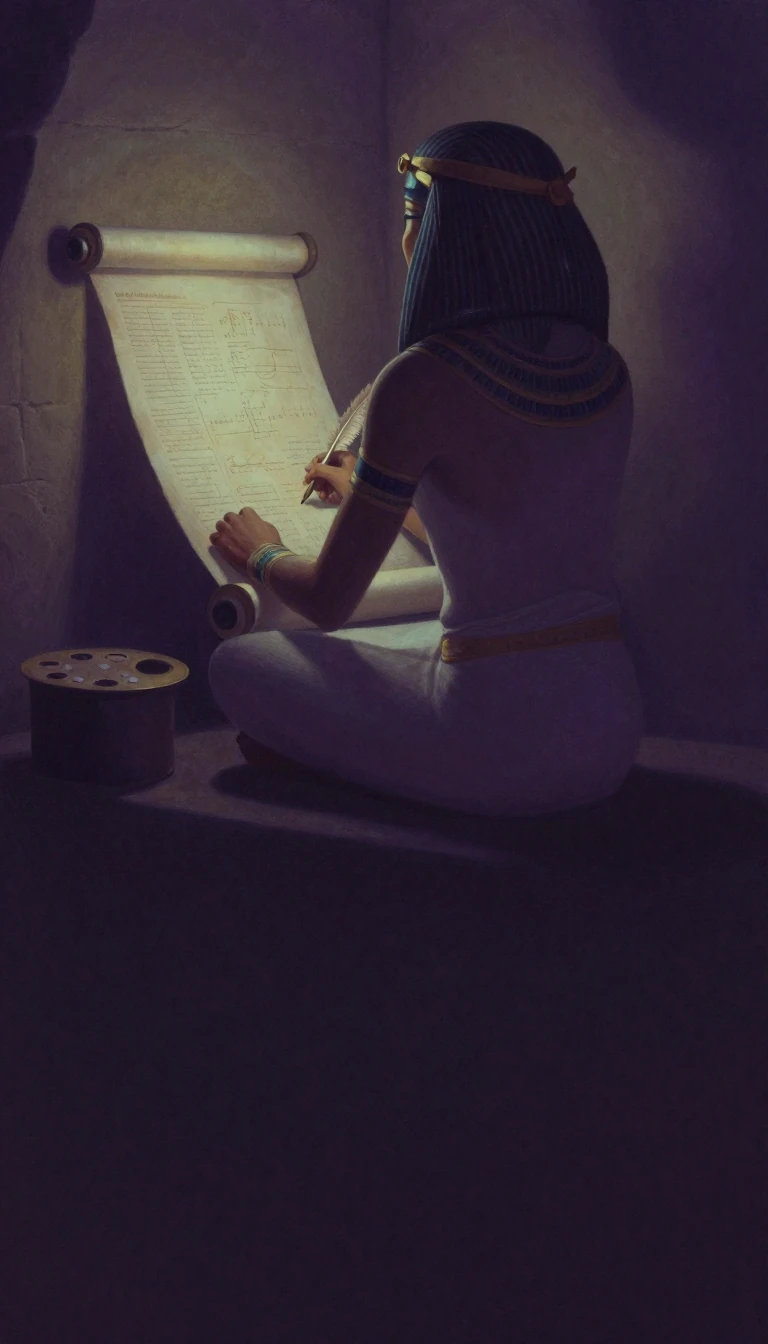
In short: Frank Herbert’s Dune is more than a space opera; it is a complex meditation on human reliance and evolution. Set in a future where computers are strictly forbidden, the series explores a universe forced to develop extraordinary mental and physical disciplines to survive in the absence of artificial intelligence.
The foundation of the Dune universe rests on the Butlerian Jihad, a cataclysmic conflict occurring 10,000 years before the events of the first novel. This crusade resulted in the total destruction of all conscious robots and computers. Humanity adopted a strict religious prohibition against creating any technology that mimics the human mind, fearing that such reliance would lead to intellectual and social stagnation. In place of silicon-based logic, the Imperium—a feudal interstellar empire—cultivated human potential through specialized training and biological enhancement.
The desert planet Arrakis serves as the crucible for this society. It is the sole source of melange, or spice, a drug essential for interstellar travel and life extension. Because computers cannot navigate the complexities of folded space, the Spacing Guild relies on navigators who use massive doses of spice to achieve prescience. Meanwhile, the Bene Gesserit sisterhood employs selective breeding and mental conditioning to guide humanity's development, while Mentats—human computers—perform complex logical computations that exceed the capabilities of the ancient machines that were once banned.
Frank Herbert began his research for the series in 1957, inspired by agricultural efforts to stabilize sand dunes. After being rejected by over 20 publishers, the novel was released in 1965 by Chilton Books, a company better known for automotive manuals. It went on to win the inaugural Nebula Award and the Hugo Award in 1966. Following Herbert's death in 1986, his son Brian Herbert and author Kevin J. Anderson expanded the franchise significantly, utilizing the elder Herbert's notes to publish numerous prequels and sequels that complete the original narrative arc.
The series remains a landmark in literature, having sold nearly 20 million copies. Its enduring influence is evident not only in its multiple film adaptations—including the 1984 film and the ongoing series that began in 2021—but also in the real-world scientific community, where features on Saturn’s moon Titan have been named after planets from the novels since 2009.
Opens the Intellect+ feed with this card first. Swipe up for the next one.
Sources
- Summary by Intellect · source: Dune (franchise)
To cite this card, link to https://intellectplus.co.uk/app/culture-dune-franchise.
How we source, check and correct cards: Editorial standards.
General information, not professional advice. Spotted an error? Flag the card or see corrections and complaints.
Intellect Plus is a visual educational discovery platform for exploring fascinating facts and ideas. Brain Food, Not Brain Rot. What is Intellect Plus?
Related
More in Journalism and mass media · More in Cultures · Latest · A–Z · All topics
