Why Charles Dickens’s most notorious villain remains a lightning rod for literary controversy
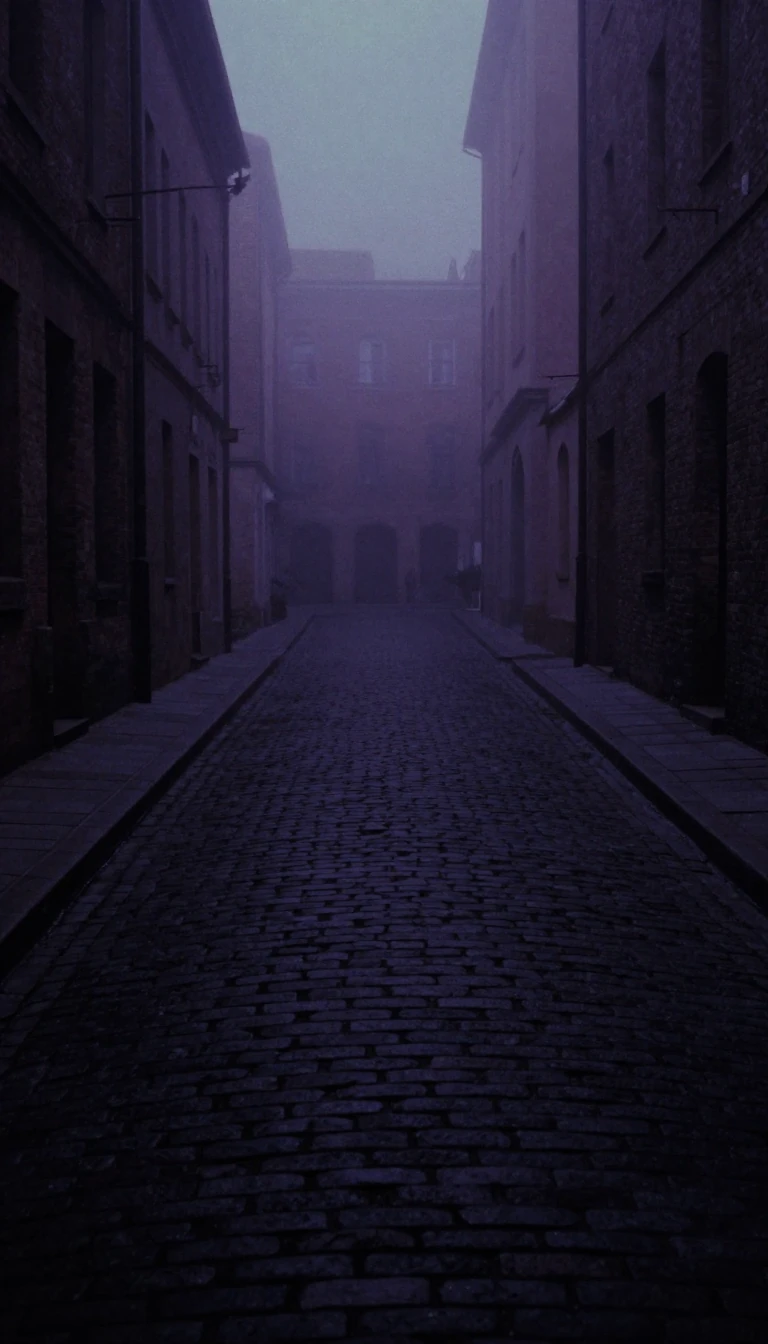
In short: Fagin, the manipulative criminal mastermind from Oliver Twist, is one of English literature’s most enduring and problematic figures. While he is famous for training homeless boys as pickpockets, his legacy is inseparable from the antisemitic caricatures that defined his original portrayal, sparking debates that have lasted nearly two centuries.
Introduced in the serialized novel Oliver Twist between 1837 and 1839, Fagin is an old man in London who exploits vulnerable children by teaching them to steal. He serves as a fence for their illicit gains, maintaining a grip on his young wards through a combination of shelter and fear. Dickens, who was already a celebrated author by this time, drew on his own experiences with the stark contrasts of Victorian society to craft this dark, squalid underworld.
The character’s identity was explicitly linked to his Jewishness in the original text, where he was frequently referred to as 'the Jew' rather than by his name. This framing has long been criticized as a harmful antisemitic stereotype. Dickens claimed at the time that he chose this depiction because he believed such criminality was common among that demographic, a justification that has been widely rejected by modern readers and critics. The author’s own views on the character evolved; later in his life, he began to downplay these references, particularly after receiving correspondence from the wife of a Jewish banker.
Beyond the controversy, Fagin functions as a complex antagonist who embodies the cruelty of the Victorian era’s underbelly. His relationships with characters like the Artful Dodger and Nancy reveal a man who prioritizes his own survival above all else, often manipulating others into violence to protect his secrets. While his eventual capture and sentencing to be hanged provide a narrative conclusion, the character’s shadow persists in cultural studies as a primary example of how literature can both reflect and perpetuate deep-seated societal prejudices.
The name itself carries a personal history for Dickens, originating from a friend he encountered while working in a boot-blacking factory during his youth. This period of his life, marked by his father’s imprisonment for debt and his own labor in a factory, profoundly shaped his writing. These early hardships instilled in him a sympathetic, if sometimes complicated, understanding of the marginalized, which he channeled into the vivid, often harrowing portraits that defined his career.
Opens the Intellect+ feed with this card first. Swipe up for the next one.
Sources
- Summary by Intellect · source: Fagin | Artful Dodger, Oliver Twist, Pickpocket | Britannica
- Also: Fagin
To cite this card, link to https://intellectplus.co.uk/app/culture-fagin.
How we source, check and correct cards: Editorial standards.
General information, not professional advice. Spotted an error? Flag the card or see corrections and complaints.
Intellect Plus is a visual educational discovery platform for exploring fascinating facts and ideas. Brain Food, Not Brain Rot. What is Intellect Plus?
Related
More in Languages · More in Cultures · Latest · A–Z · All topics
