Born from Cold War defiance, this university redefined the German academic landscape.
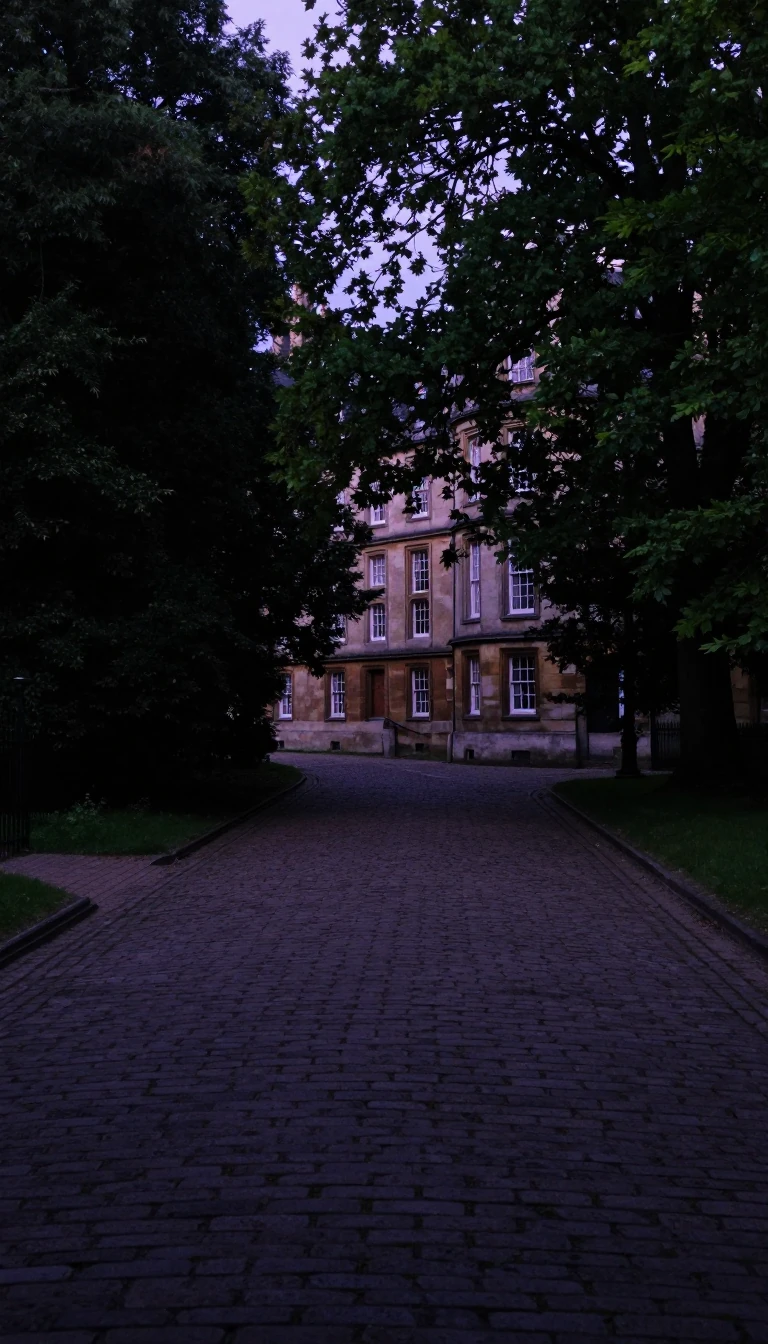
In short: Founded in 1948 as a direct response to Soviet repression at the University of Berlin, the Free University of Berlin was built on the ideals of truth, justice, and liberty. It pioneered a unique, student-inclusive governance model that challenged the rigid, authoritarian structures of its time.
The Free University of Berlin emerged during the early Cold War as a bastion of intellectual freedom in West Berlin. Following the Soviet-controlled University of Berlin's descent into political repression—which saw students arrested and even executed by the NKVD—protests erupted. By April 1948, after students were expelled without trial, a committee of academics and politicians, backed by American governor Lucius D. Clay, moved to establish a new, independent institution.
The university's founding by-law, known as the 'Berlin model,' was revolutionary for post-war Germany. It established a supervisory board that included students, granting them unprecedented influence over university governance. This structure was designed to ensure the institution remained free from state control. The university officially opened in November 1948, with its first ceremony held in the Titania Palace, attended by representatives from institutions like Yale and Stanford.
Located in the Dahlem district, the campus was modeled on the Anglo-American tradition, favoring green spaces and decentralized buildings over the traditional, monumental city-center architecture. This setting, already a hub for research institutes like the Kaiser Wilhelm Society, provided a fertile ground for academic excellence. Over the decades, the university evolved from a site of 1960s student activism into a 'University of Excellence,' consistently recognized for its research output and its status as a preferred destination for international scholars.
Today, the university continues to integrate its historical legacy with modern innovation. Its campus features architecturally significant structures, such as the brain-shaped Philological Library designed by Lord Norman Foster. Through its commitment to interdisciplinary research clusters and its role in the Berlin University Alliance, the institution maintains its position as a leading center for global academic inquiry, far removed from the political pressures that necessitated its creation.
Opens the Intellect+ feed with this card first. Swipe up for the next one.
Sources
- Summary by Intellect · source: Free University of Berlin
To cite this card, link to https://intellectplus.co.uk/app/culture-free-university-of-berlin.
How we source, check and correct cards: Editorial standards.
General information, not professional advice. Spotted an error? Flag the card or see corrections and complaints.
Intellect Plus is a visual educational discovery platform for exploring fascinating facts and ideas. Brain Food, Not Brain Rot. What is Intellect Plus?
Related
More in Education · More in Cultures · Latest · A–Z · All topics
