How a 600-year-old German university survived wars, political purges, and total physical destruction.
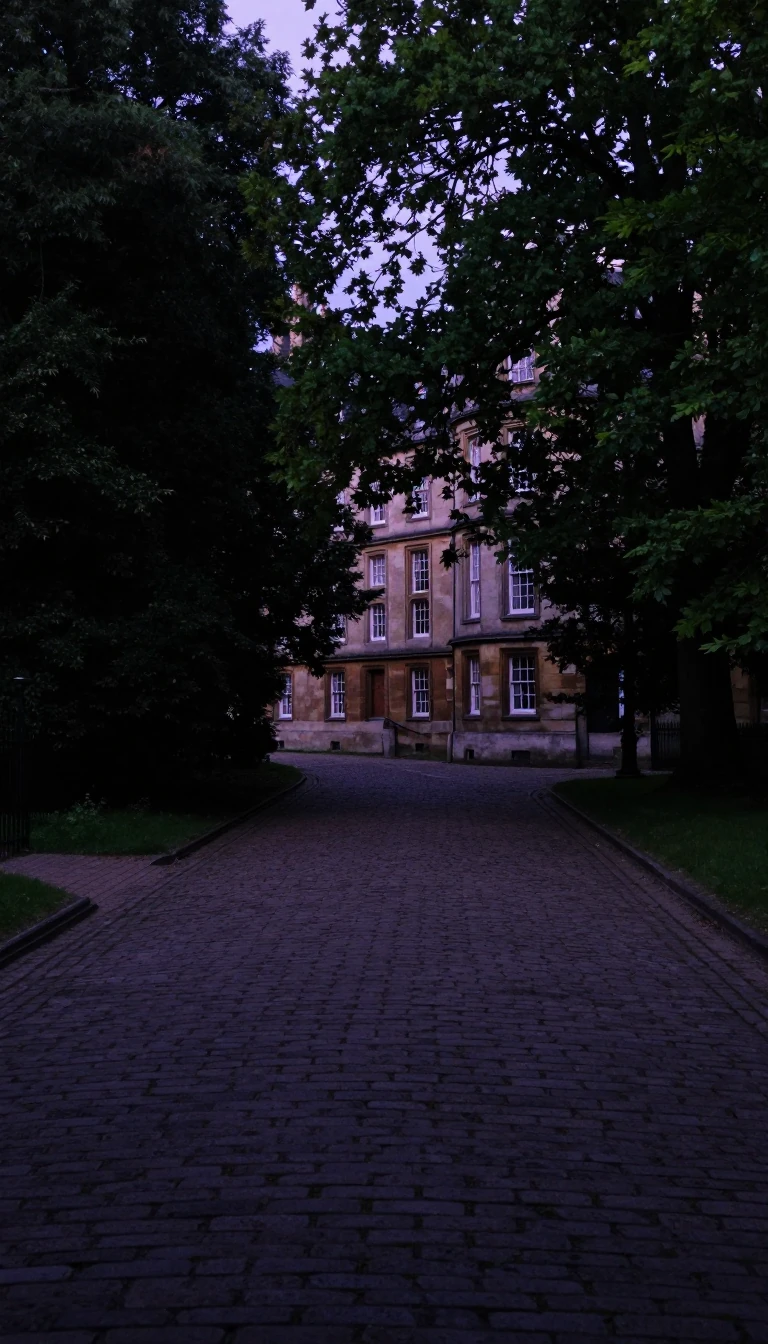
In short: Founded in 1409, Leipzig University has endured centuries of upheaval, from the Reformation to the Cold War. Despite losing most of its infrastructure to air raids in World War II and facing ideological restructuring under the GDR, it remains a powerhouse of research, housing treasures like the ancient Papyrus Ebers.
Established in 1409 by the Elector of Saxony and the Margrave of Meissen, the university was born from a migration of scholars fleeing the Jan Hus crisis in Prague. For over six centuries, it has maintained an unbroken record of teaching and research. Its early development was secured by land endowments that provided sustainable funding for nearly 400 years, while its intellectual reputation grew to attract luminaries like Gottfried Wilhelm von Leibniz and Friedrich Nietzsche.
The 20th century brought existential threats. During World War II, the institution suffered catastrophic damage, with 60 percent of its buildings and 70 percent of its library collections destroyed. Yet, the faculty viewed the professoriate itself as the university's indestructible kernel, working to preserve its continuity even amidst the ruins. Post-war, the university faced further turbulence under the German Democratic Republic, which renamed it after Karl Marx and demolished historic structures like the Paulinerkirche to facilitate ideological redevelopment.
Following German reunification in 1991, the institution reclaimed its original name and underwent a massive architectural and academic renewal. Today, it operates across 38 urban locations, blending its historic footprint with modern facilities. Its library remains a world-class repository, holding the 4th-century Codex Sinaiticus and the medical text Papyrus Ebers, dating to approximately 1600 BC. With 14 faculties and a legacy spanning from the Renaissance to the modern era, the university continues to define itself through both its ancient collections and its contemporary scientific excellence.
Opens the Intellect+ feed with this card first. Swipe up for the next one.
Sources
- Summary by Intellect · source: Leipzig University
To cite this card, link to https://intellectplus.co.uk/app/culture-leipzig-university.
How we source, check and correct cards: Editorial standards.
General information, not professional advice. Spotted an error? Flag the card or see corrections and complaints.
Intellect Plus is a visual educational discovery platform for exploring fascinating facts and ideas. Brain Food, Not Brain Rot. What is Intellect Plus?
Related
More in Education · More in Cultures · Latest · A–Z · All topics
