From sulfur pits to the world's largest gold mine: the evolution of Freeport-McMoRan
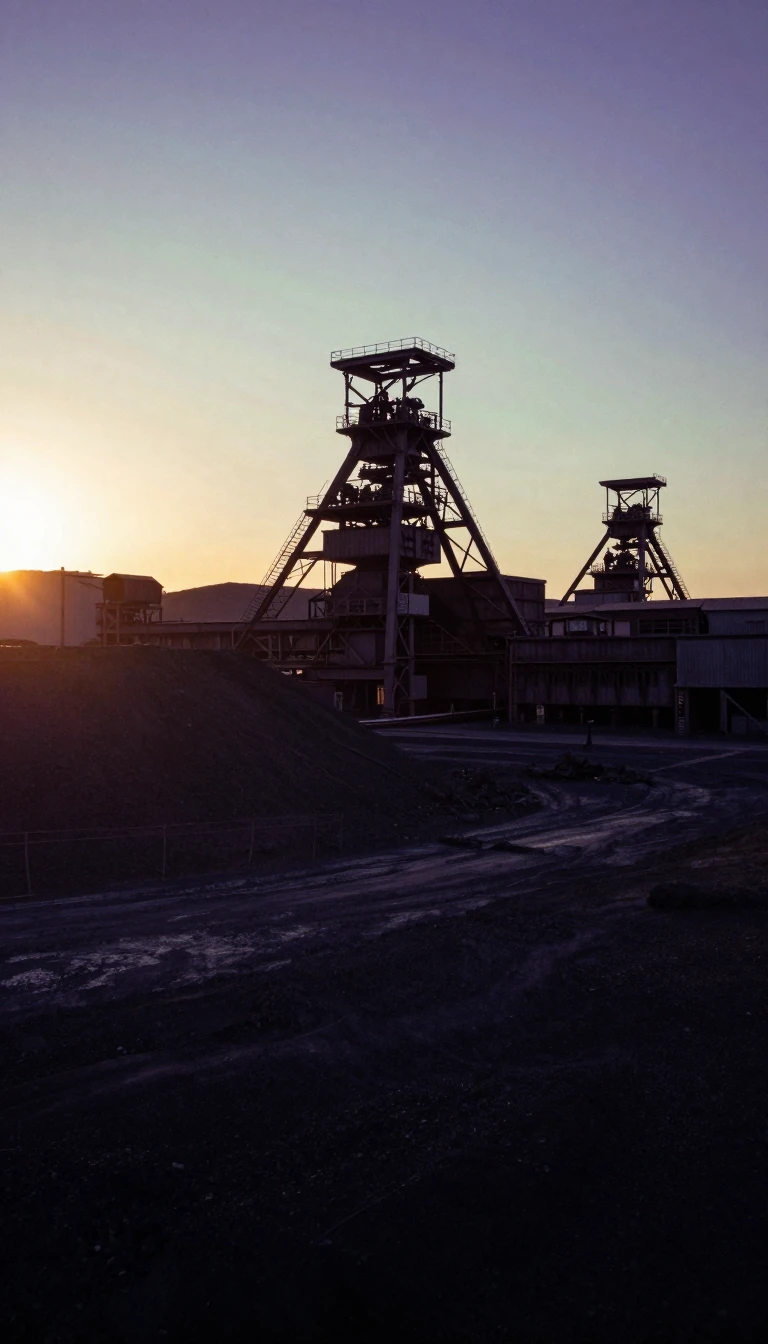
In short: Founded in 1912 to mine sulfur along the Gulf Coast, Freeport-McMoRan transformed from a regional industrial player into a global mining titan. Today, it operates the massive Grasberg mine in Indonesia, navigating complex engineering challenges, geopolitical shifts, and a massive pivot toward the copper needed for modern energy technologies.
The company originated as the Freeport Sulphur Company, established in 1912 by Eric Pierson Swenson to exploit sulfur deposits at the Bryan Mound salt dome in Texas. By utilizing the Frasch process—a disruptive innovation that allowed for the automated extraction of previously inaccessible minerals—the firm quickly scaled its operations. Throughout the early 20th century, the company functioned as a vertically integrated entity, expanding into various sectors including nickel, manganese, and oil, while navigating internal power struggles, such as the proxy fight led by Langbourne Meade Williams Jr. in the late 1920s.
A pivotal shift occurred in 1959 when geologists confirmed the existence of the Ertsberg copper and gold deposit in the remote Jayawijaya Mountains of what was then Netherlands New Guinea. Developing this site required unprecedented engineering feats, including the construction of a 101-kilometre access road through mountainous terrain and the installation of the world's longest single-span aerial tramway at the time. By 1981, the company merged with the McMoRan Oil and Gas Company, officially adopting the name Freeport-McMoRan. This era marked the company's transition into a major global mining force, heavily focused on the Grasberg mine, which it operates today.
The company's history is marked by both industrial ambition and significant controversy. It has faced criticism regarding human rights in Papua and has been associated with extensive environmental damage in its operational regions. Despite these challenges, the firm remains a central player in the global commodities market. Looking ahead, Freeport-McMoRan is positioning itself for future growth, projecting a 50% increase in global copper demand by 2040, a trend driven by the rising need for materials to support electric vehicle production and clean energy infrastructure.
Opens the Intellect+ feed with this card first. Swipe up for the next one.
Sources
- Summary by Intellect · source: Freeport-McMoRan
To cite this card, link to https://intellectplus.co.uk/app/culture-freeport-mcmoran.
How we source, check and correct cards: Editorial standards.
General information, not professional advice. Spotted an error? Flag the card or see corrections and complaints.
Intellect Plus is a visual educational discovery platform for exploring fascinating facts and ideas. Brain Food, Not Brain Rot. What is Intellect Plus?
Related
More in Languages · More in Cultures · Latest · A–Z · All topics
