How a medieval river crossing evolved into the heart of Swiss Catholicism
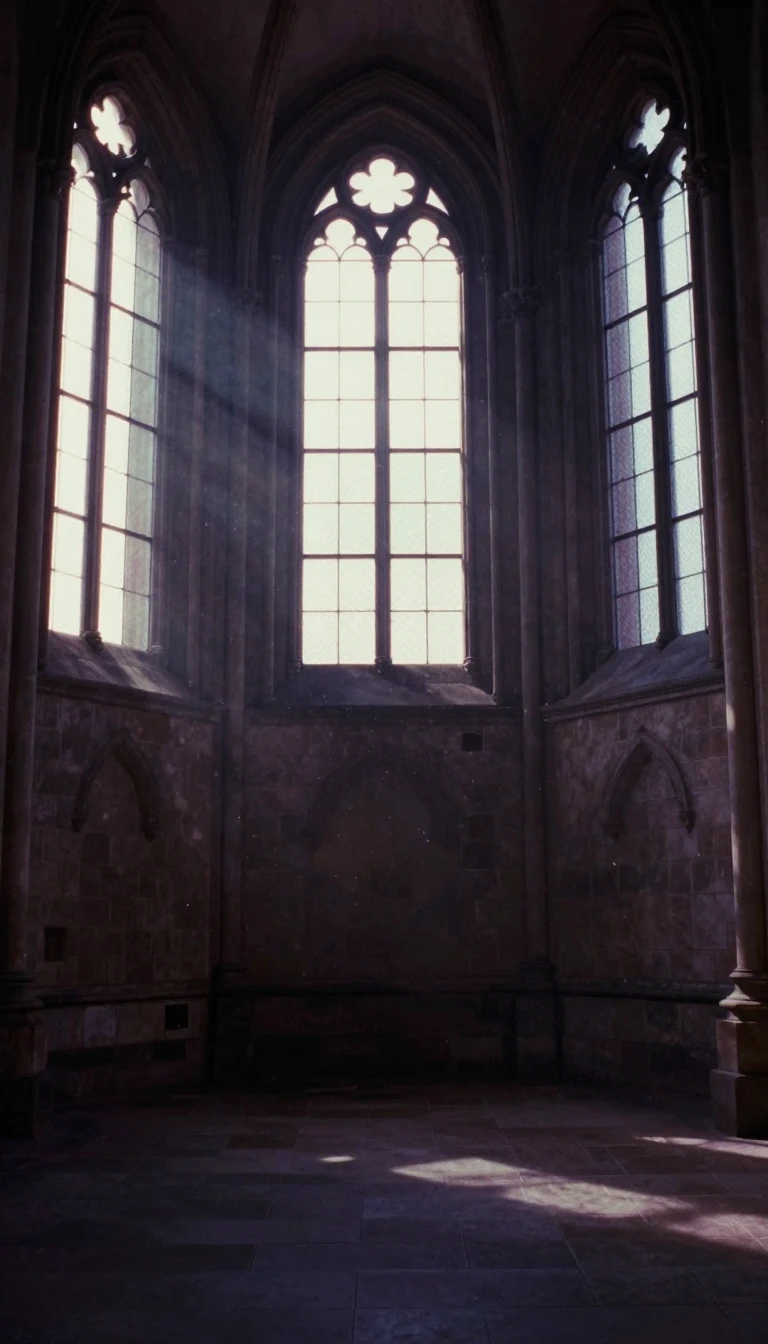
In short: Perched above the Sarine River, Fribourg began as a strategic 12th-century military outpost. Today, it stands as a preserved medieval marvel and a vital center for Swiss religious life, housing a renowned Catholic university and a collection of historic architecture that spans nearly a millennium of European power shifts.
Established in 1157 by the Duke of Zähringen, Berthold IV, the settlement was originally designed to secure a vital ford across the Sarine. Its geography—a loop in the river protected by steep cliffs—made it an ideal defensive position. By the late 13th century, control of the city shifted to the Habsburgs, who held it until 1452, when it passed to the dukes of Savoy. Fribourg eventually secured its independence, joining the Swiss Confederation in 1481 after playing a pivotal role in the defeat of Charles the Bold.
The city’s layout reflects its complex history. The oldest district, known as the Bourg, sits high above the water, while the lower Basseville quarters retain a dense collection of Gothic-fronted homes and remnants of 13th-century ramparts. This medieval aesthetic is punctuated by significant religious landmarks, including the 13th-century St. Nicholas Cathedral, which features a celebrated organ crafted by Aloys Mooser. These structures served as more than just places of worship; historically, they acted as hubs for city administration and record-keeping.
Fribourg’s identity as a religious and intellectual center was solidified in 1889 with the founding of its Roman Catholic state university. This institution, alongside the city's status as the seat of the bishopric of Lausanne–Geneva–Fribourg, reinforces its reputation as a bastion of Swiss Catholicism. Despite its deep historical roots, the modern city remains a functional economic hub, balancing its heritage with contemporary industries like precision manufacturing and brewing, all while serving as a primary transit junction between Lausanne and Bern.
Opens the Intellect+ feed with this card first. Swipe up for the next one.
Sources
- Summary by Intellect · source: Fribourg | Swiss City of Culture & History | Britannica
- Also: Fribourg
To cite this card, link to https://intellectplus.co.uk/app/culture-fribourg.
How we source, check and correct cards: Editorial standards.
General information, not professional advice. Spotted an error? Flag the card or see corrections and complaints.
Intellect Plus is a visual educational discovery platform for exploring fascinating facts and ideas. Brain Food, Not Brain Rot. What is Intellect Plus?
Related
More in US culture · More in Cultures · Latest · A–Z · All topics
