Why a band of multi-instrumentalists intentionally sabotaged their own path to commercial success
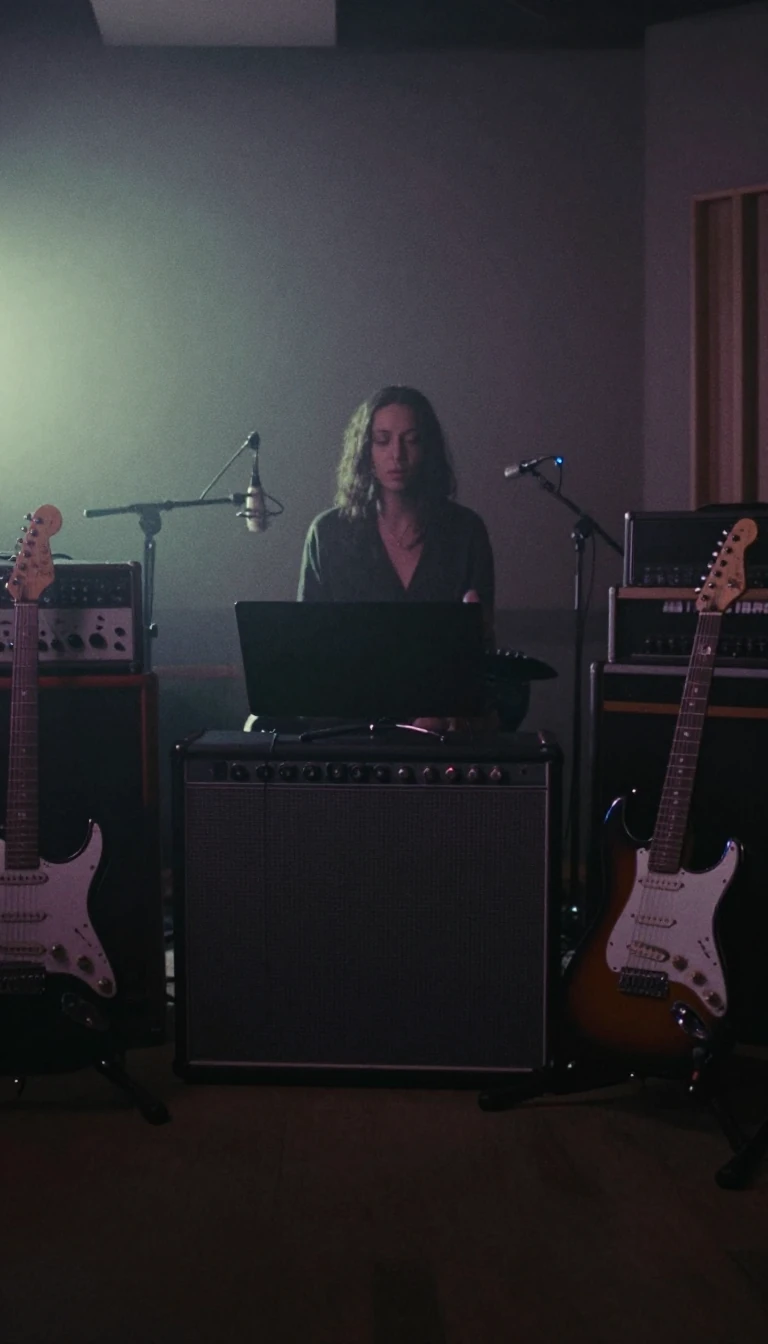
In short: Gentle Giant was a progressive rock anomaly, defined by complex counterpoint and a refusal to play it safe. Despite their immense technical skill and a cult following, the band spent a decade wrestling with the tension between artistic ambition and the relentless, often soul-crushing demands of the music industry.
Formed in 1970 by brothers Phil, Derek, and Ray Shulman, Gentle Giant was built on a foundation of extreme musical versatility. Every member was a multi-instrumentalist, and their compositions drew from a vast palette including jazz, folk, soul, and medieval chamber music. Unlike their progressive rock peers, they prioritized intricate vocal harmonies and complex arrangements, often utilizing dozens of instruments on a single record. Their debut, produced by Tony Visconti, set a tone of uncompromising challenge that continued through albums like 1971's Acquiring the Taste.
The band's history was marked by a constant struggle to balance their creative identity with the realities of the business. After the departure of Phil Shulman in 1972 due to the stresses of touring, the remaining members pushed forward, reaching a peak with albums like The Power and the Glory. However, as the 1970s progressed, the band felt increasing pressure to simplify their sound to reach a wider audience. This led to a period of creative erosion, where they attempted to pivot toward radio-friendly pop and soft rock, a move they later admitted was a mistake.
By 1980, the group had relocated to Los Angeles but found their creative spark had faded. Derek Shulman later reflected that they were simply not suited to being pop stars, noting that while their music was clever, they lacked the passion for the commercial machine they had become part of. Rather than letting the band drift into irrelevance, they chose to disband, with Kerry Minnear later clarifying that the split was not a reaction to punk, but a realization that they had lost their musical direction. Their legacy remains one of high-level musicianship that refused to be easily categorized.
Opens the Intellect+ feed with this card first. Swipe up for the next one.
Sources
- Summary by Intellect · source: Gentle Giant
To cite this card, link to https://intellectplus.co.uk/app/culture-gentle-giant.
How we source, check and correct cards: Editorial standards.
General information, not professional advice. Spotted an error? Flag the card or see corrections and complaints.
Intellect Plus is a visual educational discovery platform for exploring fascinating facts and ideas. Brain Food, Not Brain Rot. What is Intellect Plus?
Related
More in UK & Irish culture · More in Cultures · Latest · A–Z · All topics
