The dark origins of a genre once used to insult the medieval world
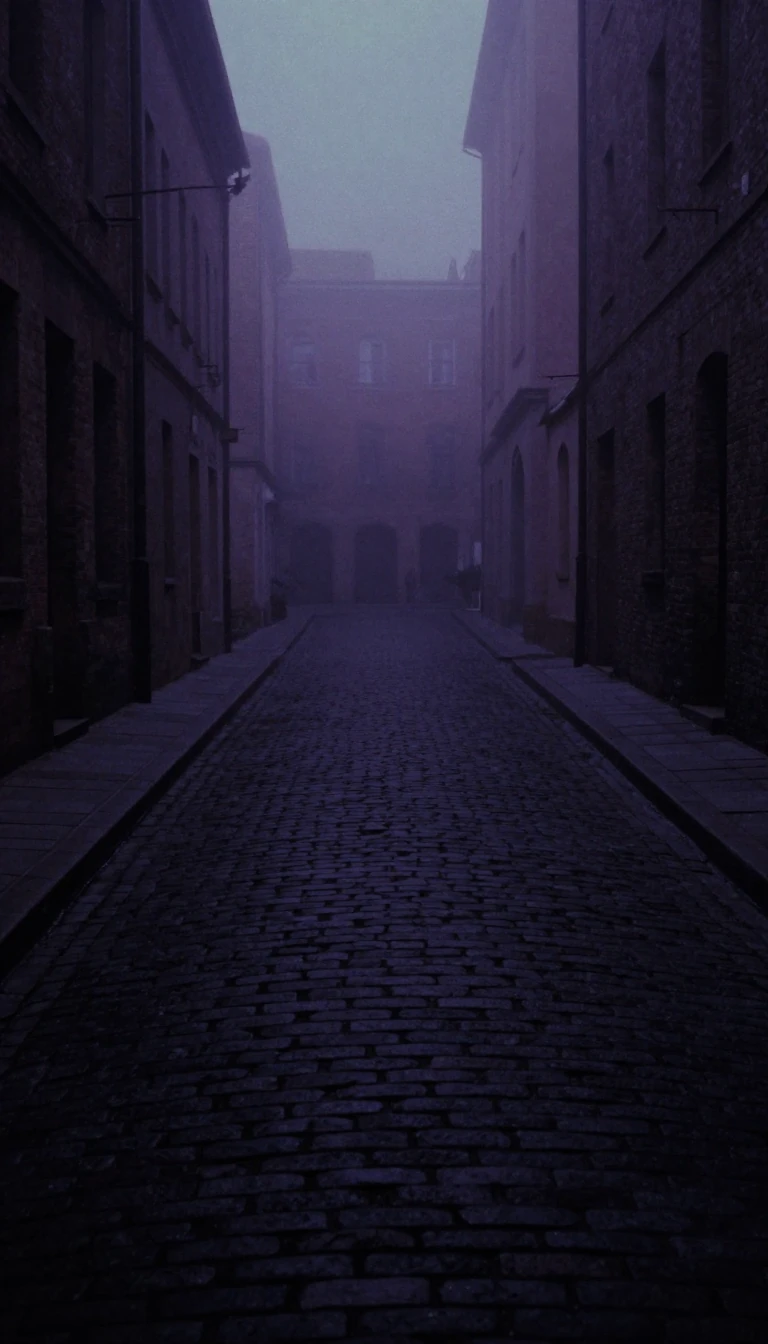
In short: Today, we associate 'Gothic' with shadows and ghosts. But the term began as a slur, a way to label the medieval era as barbaric and unrefined. Discover how a pejorative used to mock the past evolved into a sophisticated literary aesthetic of terror and the sublime.
The term 'Gothic' finds its roots in the Renaissance, where it was used as a peлоrative descriptor for things considered medieval or barbaric, stemming from the Goths and Gothic architecture. This linguistic baggage shaped the genre's early identity. The literary movement officially began in 1764 with Horace Walpole’s novel, *The Castle of Otranto*. While Walpole initially presented his work as a translated medieval narrative, he later revealed himself as the author, a revelation that sparked backlash from readers who found supernatural tales inappropriate for a rational age.
At its core, Gothic fiction is an aesthetic of fear, characterized by the intrusion of the past upon the present. It utilizes settings like ruined castles, monasteries, and crypts to evoke the 'sublime'—a concept codified by Edmund Burke in 1757. Burke argued that the sublime produces the strongest emotions the mind can feel, often through 'obscurity,' where the unknown induces terror. This atmosphere of decay and the transience of human works serves as a metaphor for psychological and social conflicts.
The genre also provided a unique space for the 'female Gothic.' Writers like Ann Radcliffe and Mary Shelley used the genre to explore women's societal anxieties, such as the fear of domestic entrapment or the threat of patriarchal violence. While male Gothic writers often focused on the transgression of social taboos, the female Gothic allowed for a critique of power and the exploration of the 'disability of being female' within a restrictive society. From the 18th-century works of Radcliffe to the 20th-century influence of Stephen King, the Gothic continues to haunt the literary imagination.
Opens the Intellect+ feed with this card first. Swipe up for the next one.
Sources
- Summary by Intellect · source: Gothic fiction
To cite this card, link to https://intellectplus.co.uk/app/culture-gothic-fiction.
How we source, check and correct cards: Editorial standards.
General information, not professional advice. Spotted an error? Flag the card or see corrections and complaints.
Intellect Plus is a visual educational discovery platform for exploring fascinating facts and ideas. Brain Food, Not Brain Rot. What is Intellect Plus?
Related
More in UK & Irish culture · More in Cultures · Latest · A–Z · All topics
