Why a medieval bakery fire in 1666 nearly erased the heart of London
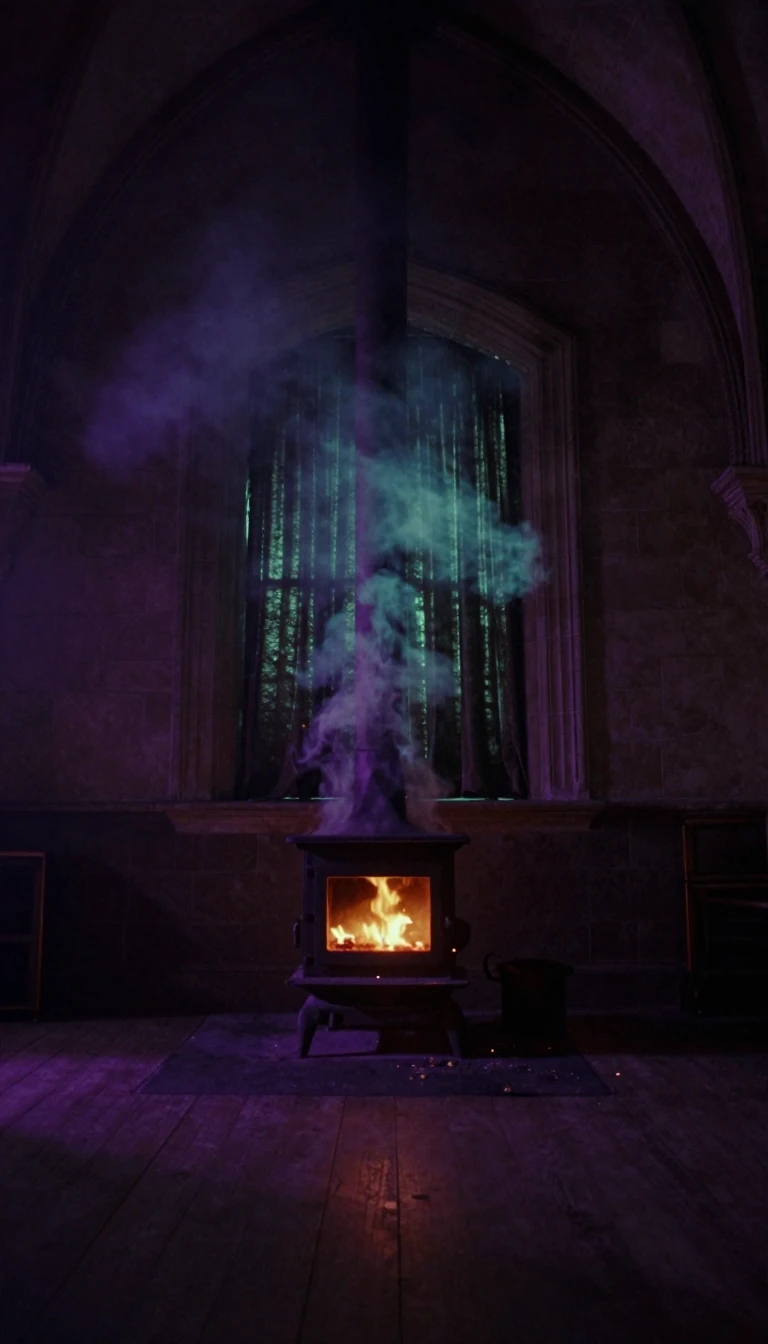
In short: In September 1666, a small fire in a Pudding Lane bakery spiraled into a four-day catastrophe. As the City of London burned, panic, xenophobia, and administrative paralysis turned a manageable accident into a firestorm that consumed thousands of homes, destroyed St Paul's Cathedral, and left the capital's population homeless.
The Great Fire began shortly after midnight on Sunday, 2 September 1666. London was then a crowded, medieval warren of timber-framed houses with overhanging upper storeys that nearly touched across narrow alleys. This design, combined with a persistent east wind and stores of combustible materials like pitch and gunpowder along the riverfront, created the perfect conditions for a disaster. When the fire broke out, the Lord Mayor, Sir Thomas Bloodworth, failed to act decisively, refusing to order the necessary demolition of buildings to create firebreaks. His hesitation allowed the blaze to grow into a firestorm that defeated traditional firefighting efforts.
As the fire spread, order collapsed. Rumours of foreign sabotage—specifically targeting the Dutch and French—led to widespread street violence. The city's gates became bottlenecks for panicked refugees, while the cost of hiring a cart to move belongings skyrocketed from a few shillings to as much as £40. By Monday, King Charles II had effectively bypassed the Lord Mayor, placing his brother, the Duke of York, in charge of operations. Despite their efforts, the fire continued to rage, consuming the Royal Exchange and eventually destroying the medieval St Paul's Cathedral, which had been packed with goods in the mistaken belief that its stone walls would offer protection.
The turning point came on Tuesday, 4 September, when the wind finally dropped and the Tower of London garrison took matters into their own hands. By using gunpowder to create large-scale firebreaks, they successfully halted the fire's eastward advance. While the disaster destroyed approximately 13,000 houses and 87 parish churches, the city was ultimately rebuilt on its original medieval street plan. Although some radical proposals for a modern layout were submitted by figures like Christopher Wren and John Evelyn, the commercial heart of London remained largely unchanged, preserved by the same organic growth that had made it so vulnerable in the first place.
Opens the Intellect+ feed with this card first. Swipe up for the next one.
Sources
- Summary by Intellect · source: Great Fire of London
- Also: Great Fire of London | Great Plague, Charles II, Firefighting | Britannica
To cite this card, link to https://intellectplus.co.uk/app/culture-great-fire-of-london.
How we source, check and correct cards: Editorial standards.
General information, not professional advice. Spotted an error? Flag the card or see corrections and complaints.
Intellect Plus is a visual educational discovery platform for exploring fascinating facts and ideas. Brain Food, Not Brain Rot. What is Intellect Plus?
Related
More in UK & Irish culture · More in Cultures · Latest · A–Z · All topics
