Why graduation ceremonies are rooted in medieval guilds and clerical attire
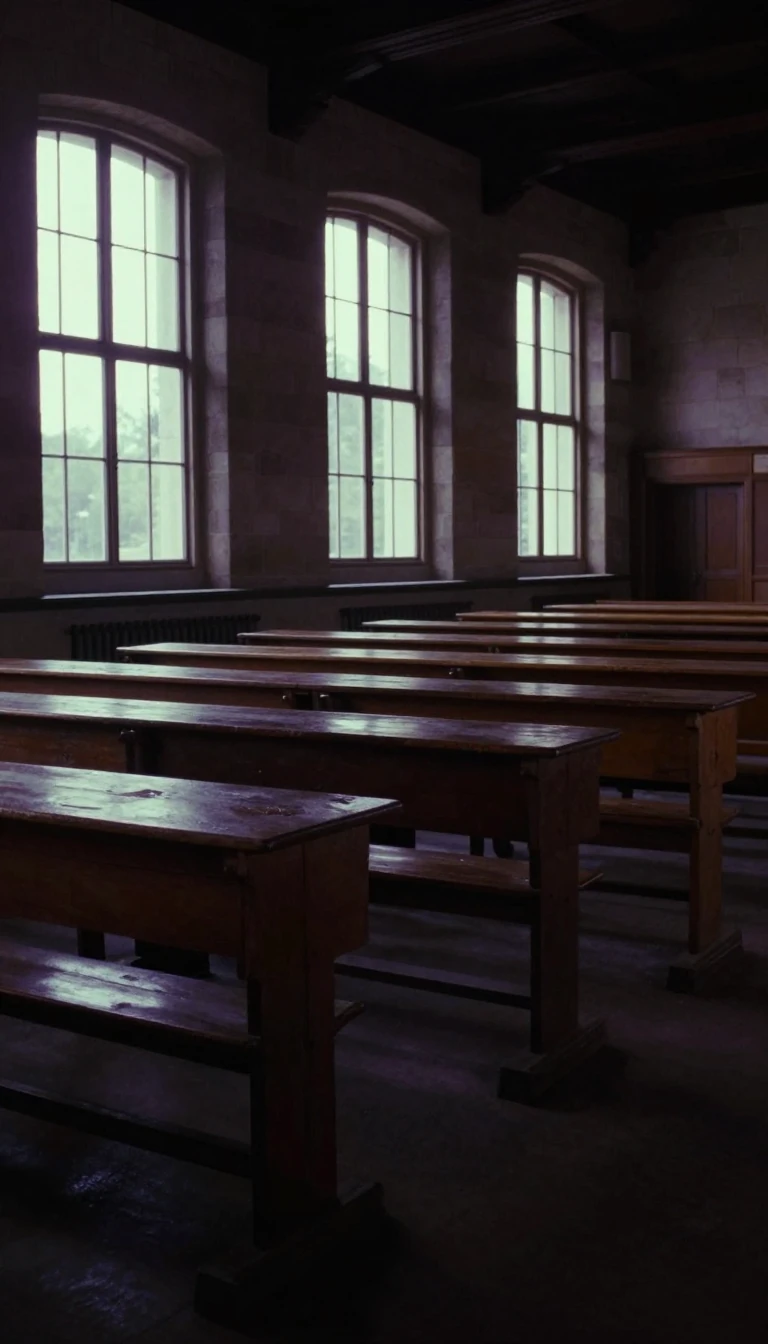
In short: Graduation is more than a diploma; it is a centuries-old ritual born from medieval guilds. From the academic gowns modeled after clergy robes to the anarchic street celebrations in South America, the traditions surrounding this milestone vary wildly across the globe, reflecting deep-seated cultural differences in how we mark achievement.
The modern graduation ceremony traces its origins to twelfth-century Europe, where the first universities emerged as guilds of masters. The term 'graduate' stems from the Latin gradus, meaning 'step,' reflecting a progression from a bachelor's degree to the master's level, which granted a license to teach. The iconic academic dress—gowns, hoods, and caps—evolved from the daily attire of medieval university staff and clergy, solidifying a visual link to this scholarly past.
While the core concept remains consistent, global traditions diverge significantly. In Sweden, students have worn distinctive white sailor-style caps since the mid-eighteenth century, a custom that began at Uppsala University. Conversely, in Argentina and Uruguay, celebrations often take a spontaneous and chaotic turn, involving public gatherings where graduates are pelted with eggs, flour, and alcohol, frequently drawing complaints from local authorities due to the resulting disorder.
The scope of what constitutes a 'graduation' also varies. In the United Kingdom, the term is generally reserved for university-level success. In contrast, the United States, Israel, and India apply the label to high school, middle school, or even preschool transitions. In Zimbabwe, the ceremony takes on a formal state character, where the president or vice president often presides as chancellor, ensuring that every state university graduate has the unique opportunity to shake the head of state's hand.
Regardless of the setting, the ceremony serves as a formal conferral of degrees, though the experience is not universal. Some students graduate in absentia, while others may receive their diplomas by mail. Whether it is a solemn academic procession or a messy street carnival, these events remain a major highlight of the academic year, marking the transition from one life stage to the next.
Opens the Intellect+ feed with this card first. Swipe up for the next one.
Sources
- Summary by Intellect · source: Graduation
- Also: www.ntu.ac.uk — Graduation
To cite this card, link to https://intellectplus.co.uk/app/culture-graduation.
How we source, check and correct cards: Editorial standards.
General information, not professional advice. Spotted an error? Flag the card or see corrections and complaints.
Intellect Plus is a visual educational discovery platform for exploring fascinating facts and ideas. Brain Food, Not Brain Rot. What is Intellect Plus?
Related
More in Education · More in Cultures · Latest · A–Z · All topics
