In 12th-century England, two children with green skin appeared in the village of Woolpit.
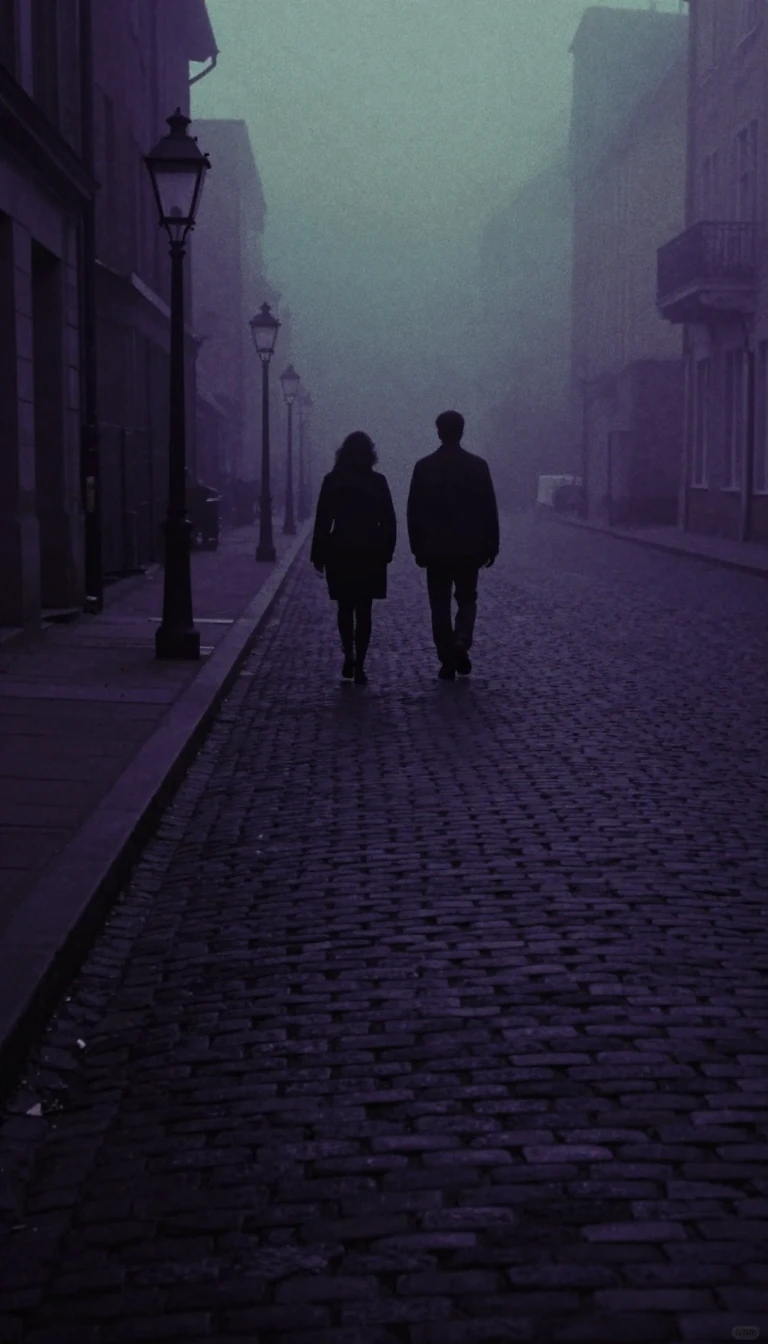
In short: Found beside a wolf pit, these siblings spoke an unknown language and refused all food except raw broad beans. They eventually lost their green hue and learned English, claiming to hail from a twilight land called Saint Martin's Land. Their story remains one of history's most enduring and debated medieval enigmas.
The mystery of the Green Children of Woolpit rests on two near-contemporary accounts from the 12th century: William of Newburgh’s Historia rerum Anglicarum, written around 1189, and Ralph of Coggeshall’s Chronicum Anglicanum, penned in the 1220s. Both chroniclers describe the sudden arrival of a brother and sister in the Suffolk village during the reign of King Stephen (1135–1154). The children, whose skin was distinctly green, were reportedly taken in by Sir Richard de Calne. While the boy was sickly and died shortly after baptism, the girl survived, eventually working as a servant and marrying a man from King's Lynn.
Explanations for the phenomenon have varied wildly over the centuries. Early modern writers like Robert Burton and Francis Godwin speculated the children were extraterrestrial, having fallen from the moon. Modern theories are more grounded but equally varied. Some historians, such as Paul Harris, have proposed that the children were Flemish orphans fleeing persecution during the 12th-century civil wars, suggesting their green skin was a symptom of chlorosis, a dietary deficiency disease. Others, like Jeffrey Jerome Cohen, argue the story serves as a complex cultural allegory, reflecting the tensions between the English and indigenous Britons or the trauma of the Anarchy.
Despite these attempts at rationalization, many scholars remain skeptical of finding a definitive 'real' event. Nancy Partner, a historian of 12th-century historiography, has dismissed the search for psychological or natural explanations as a futile exercise. The tale has nonetheless permeated culture, inspiring novels by Herbert Read and Randolph Stow, verse plays, and even a community opera. Whether the green children were a genuine historical anomaly, a garbled memory of displaced refugees, or a piece of folklore reflecting medieval anxieties about outsiders, they continue to occupy a unique space in the English imagination.
Opens the Intellect+ feed with this card first. Swipe up for the next one.
Sources
- Summary by Intellect · source: Green children of Woolpit
To cite this card, link to https://intellectplus.co.uk/app/culture-green-children-of-woolpit.
How we source, check and correct cards: Editorial standards.
General information, not professional advice. Spotted an error? Flag the card or see corrections and complaints.
Intellect Plus is a visual educational discovery platform for exploring fascinating facts and ideas. Brain Food, Not Brain Rot. What is Intellect Plus?
Related
More in UK & Irish culture · More in Cultures · Latest · A–Z · All topics
