Why Greater Los Angeles is the world's most decentralized, sprawling urban giant
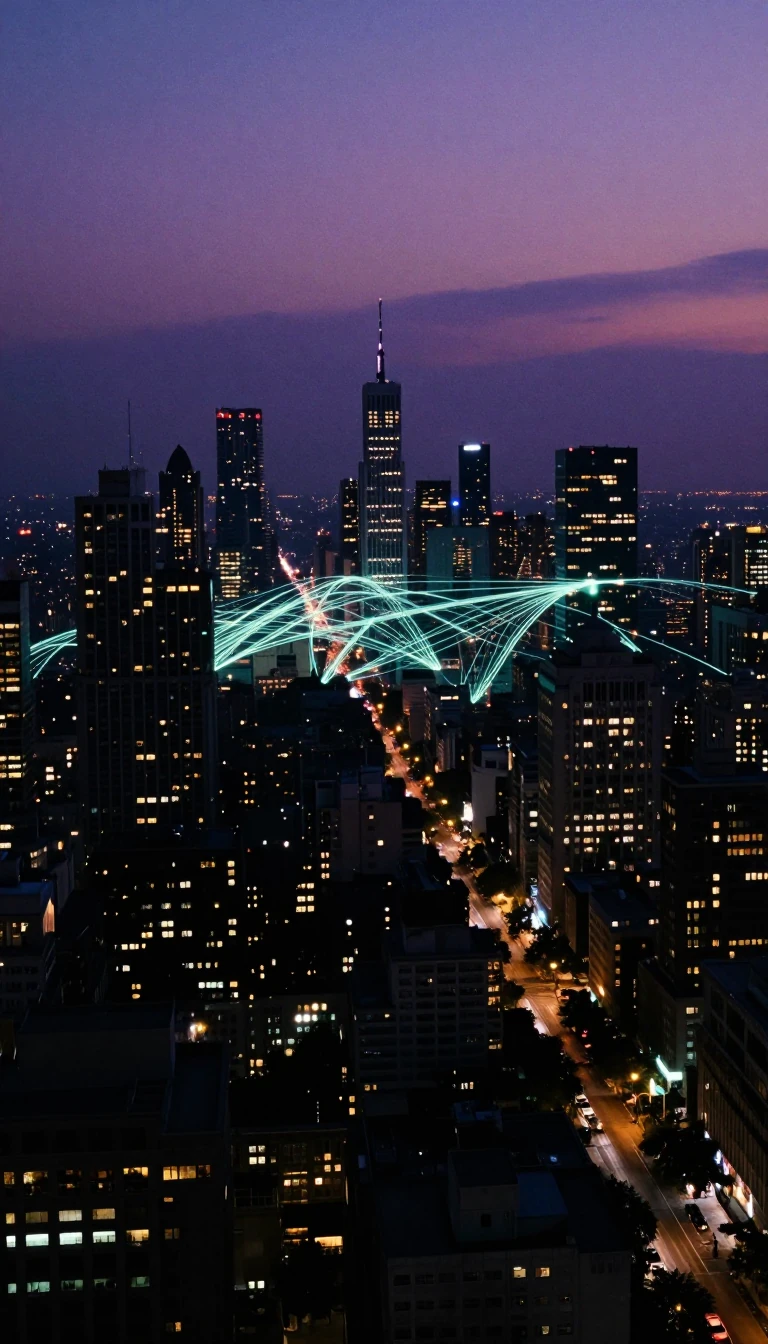
In short: Greater Los Angeles is not a single city, but a vast, polycentric network of suburbs and satellite hubs. Unlike traditional cities built around one downtown core, this region pioneered a decentralized structure in the 1920s, fueled by streetcars, automobiles, and a unique geography that defies conventional urban density.
Greater Los Angeles is a massive, sprawling metropolitan region encompassing five counties, from Ventura in the west to Riverside and San Bernardino in the east. With over 18.3 million residents, it stands as the second-largest metropolitan area in the United States. Its economy, exceeding $1 trillion in output, ranks as the third-largest globally, trailing only New York City and Tokyo. Despite its reputation for sprawl, the region is actually a collection of dense, interconnected cities rather than a single, monolithic urban center.
The region's unique development began in the early 20th century, when electric streetcars allowed for the creation of distinct, dense cities that were later linked by an extensive freeway system. By the 1920s, Los Angeles had already established regional hubs for commerce and culture outside its traditional downtown, such as Hollywood and Mid-Wilshire. This early decentralization meant that major institutions were dispersed geographically from the start. Today, the region remains a classic example of a polycentric metropolis where employment and daily activity are spread across numerous municipalities rather than concentrated in one central business district.
While the city of Los Angeles itself has a relatively low population density compared to other major American cities, the broader metro area is characterized by small lot sizes and low-rise buildings, often mandated by zoning laws. However, density is not uniform; some neighborhoods near the city center exceed 20,000 people per square mile. The region's growth has historically pushed outward toward the periphery, where cheaper land once fueled development. Today, the area faces complex challenges, including rising real estate prices, water security issues due to droughts, and a contentious regional identity where many residents do not associate themselves with the broader Greater Los Angeles area.
Opens the Intellect+ feed with this card first. Swipe up for the next one.
Sources
- Summary by Intellect · source: Greater Los Angeles
- Also: www.britannica.com — Los Angeles | History, Map, Population, Climate, & Facts | Britannica
To cite this card, link to https://intellectplus.co.uk/app/culture-greater-los-angeles.
How we source, check and correct cards: Editorial standards.
General information, not professional advice. Spotted an error? Flag the card or see corrections and complaints.
Intellect Plus is a visual educational discovery platform for exploring fascinating facts and ideas. Brain Food, Not Brain Rot. What is Intellect Plus?
Related
More in Festivals & celebrations · More in Cultures · Latest · A–Z · All topics
