How Downtown Los Angeles Transformed From a Dilapidated Hub Into a Modern Residential Core
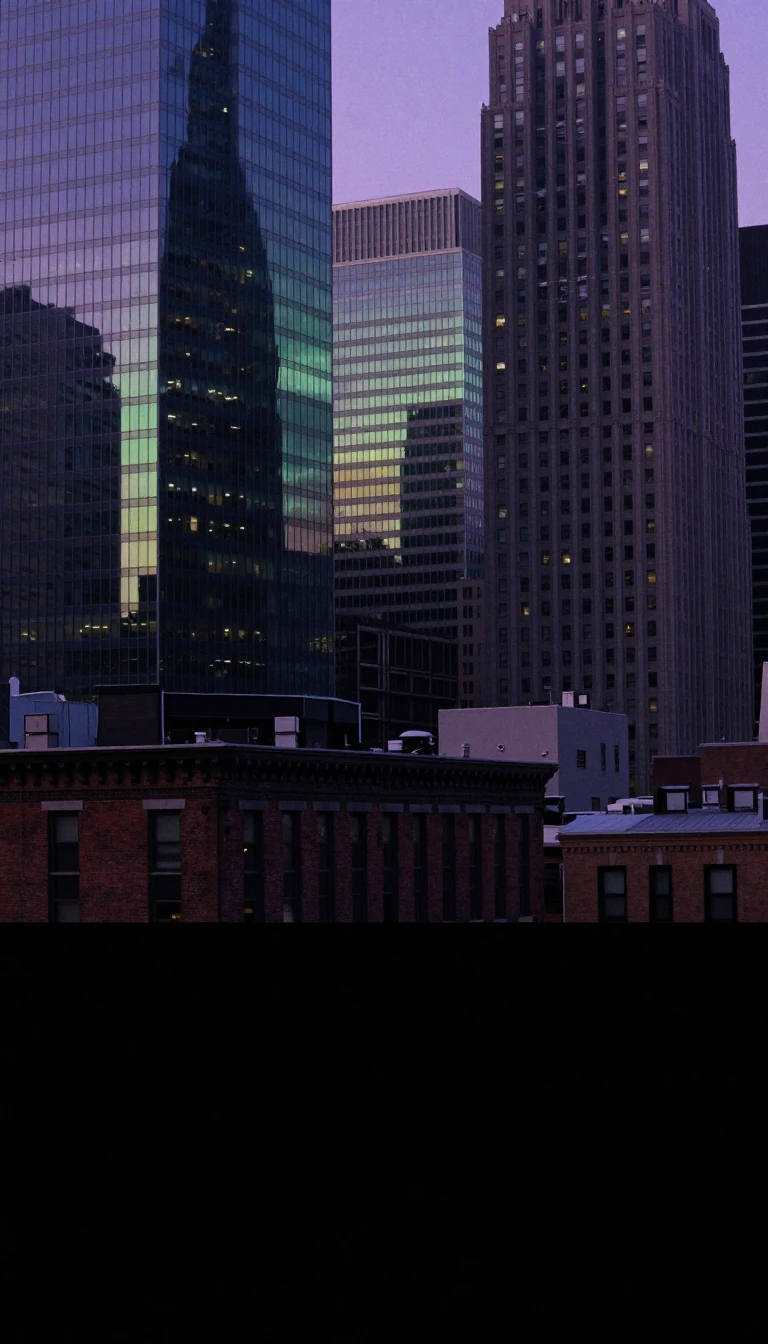
In short: Once a collection of aging office buildings and rooming houses, Downtown Los Angeles has undergone a dramatic shift. Through strategic policy changes and the repurposing of historic architecture, the district has evolved from a low-density business center into a vibrant, high-growth neighborhood for tens of thousands of new residents.
The history of Downtown Los Angeles is defined by cycles of expansion and decline. Founded in 1781, the area grew into a dense commercial hub, eventually boasting the world's most comprehensive rail network by 1920. However, the post-World War II era brought suburbanization and automobile dependency, leading to a significant economic downturn. By the late 20th century, once-grand Victorian mansions on Bunker Hill had deteriorated into rooming houses, and many historic office buildings sat empty or were relegated to simple storage.
A major turning point arrived in 1999, when city officials introduced a policy designed to simplify the conversion of vacant, outdated commercial structures into modern residential lofts and luxury apartments. This initiative, known as an adaptive reuse ordinance, catalyzed a massive influx of investment. Between 2006 and 2019, the residential population surged from roughly 28,000 to 85,000. This demographic shift was accompanied by the revitalization of cultural landmarks, such as the opening of the Crypto.com Arena in 1999 and the subsequent development of the Grand Avenue corridor, which now features the Walt Disney Concert Hall and The Broad museum.
Today, the district balances its historic roots with modern urban planning. While the 2000 census recorded a low density of 4,770 people per square mile, recent zoning changes—strongly supported by former Mayor Antonio Villaraigosa in 2007—now incentivize denser development by offering density bonuses to projects that include affordable housing. As the area prepares to host events for the 2028 Summer Olympics, it continues to evolve, with new infrastructure like the 2022 Sixth Street Viaduct replacing older, earthquake-vulnerable structures. This ongoing transformation reflects a broader trend of reclaiming central city spaces for contemporary living.
The character of the neighborhood remains complex, shifting from a low-income, highly diverse area in the early 2000s to a more affluent, educated population by 2013. Despite these changes, the district maintains its role as a regional transit hub, anchored by Union Station and an extensive network of rail lines that connect Southern California. From the sneaker boutiques of the Historic Core to the corporate offices in the Financial District, the area serves as a testament to the power of urban policy in reshaping a city's identity.
Opens the Intellect+ feed with this card first. Swipe up for the next one.
Sources
- Summary by Intellect · source: Downtown Los Angeles
To cite this card, link to https://intellectplus.co.uk/app/nature-downtown-los-angeles.
How we source, check and correct cards: Editorial standards.
General information, not professional advice. Spotted an error? Flag the card or see corrections and complaints.
Intellect Plus is a visual educational discovery platform for exploring fascinating facts and ideas. Brain Food, Not Brain Rot. What is Intellect Plus?
Related
More in Physical geography · More in Nature · Latest · A–Z · All topics
