The Guna people maintain remarkable health and autonomy through a unique, trade-focused culture.
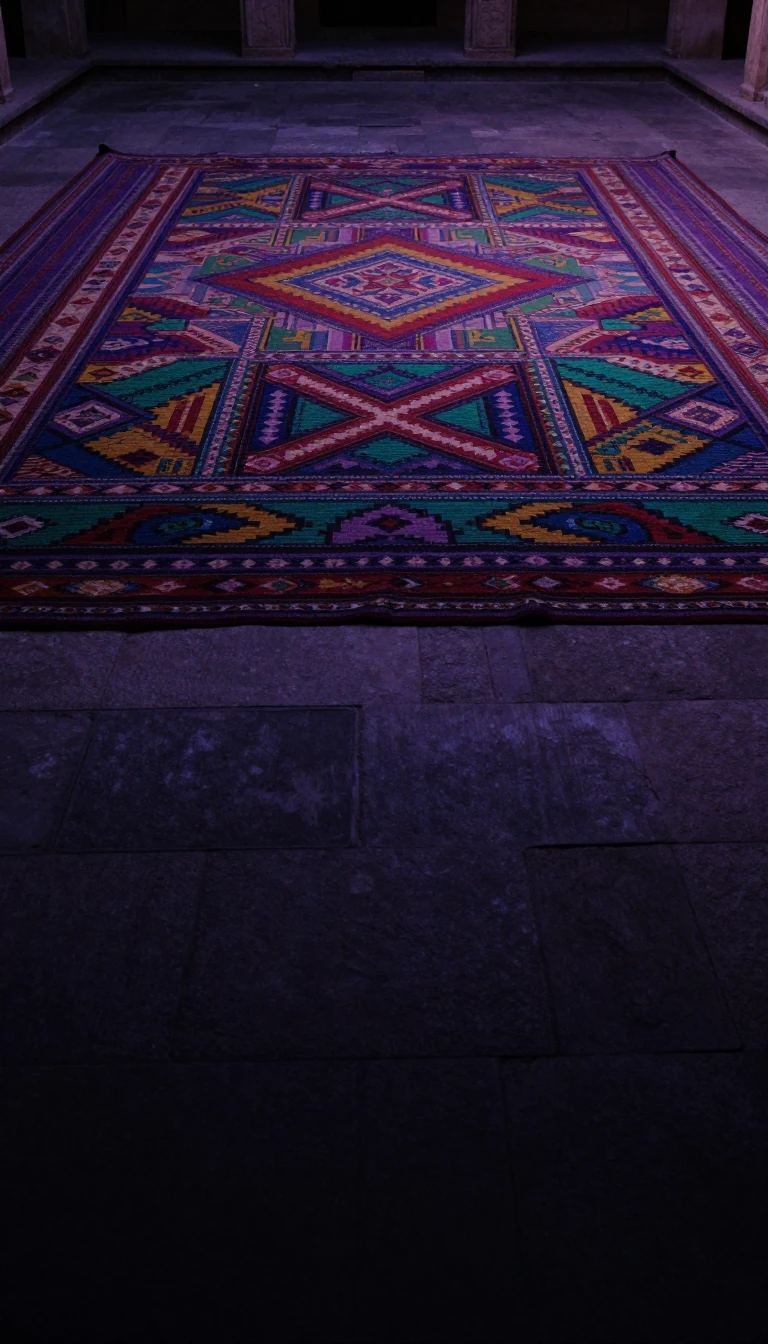
In short: Indigenous to Panama and Colombia, the Guna people have thrived by blending ancient traditions with a fierce commitment to economic self-determination. From their matrilinear social structure to their legendary resistance against suppression, the Guna offer a profound study in how a culture preserves its identity while navigating the modern world.
The Guna, who refer to themselves as Dule or Tule, have a long history of mercantilism that has been central to their survival. Unlike many other Indigenous groups, the Guna have historically avoided taxes and built a robust economy based on agriculture, fishing, and the sale of their iconic mola textiles. This tradition of trade, often conducted through family-owned retail venues, has provided the financial independence necessary to maintain their cultural autonomy. Their political structure is equally distinct; communities are led by a saila, a leader who memorizes and recites the sacred history and laws of the people within a communal Congress House.
Their resilience was famously tested in 1925 during the Dule Revolution, a successful uprising against Panamanian suppression that secured their right to cultural self-governance. Today, this independence faces new environmental challenges. The Guna Yala region, particularly the San Blas Islands, is threatened by rising sea levels. In early 2025, the community of Gardi Sugdub became the first to be fully evacuated to a new mainland township, marking a significant shift in their long-standing island lifestyle.
Beyond their social and political achievements, the Guna have drawn scientific attention for their exceptional health outcomes. Studies have shown that the Guna do not experience the typical age-related rise in blood pressure seen in Western populations. Between 2000 and 2004, death rates from cardiovascular disease and cancer among the Guna were significantly lower than those of the general population in mainland Panama. These health markers, combined with their unique cultural practices—such as the special status of albinistic individuals who are tasked with defending the moon during eclipses—highlight a society that remains deeply connected to its ancestral roots while adapting to a changing global landscape.
Opens the Intellect+ feed with this card first. Swipe up for the next one.
Sources
- Summary by Intellect · source: Guna people
To cite this card, link to https://intellectplus.co.uk/app/culture-guna-people.
How we source, check and correct cards: Editorial standards.
General information, not professional advice. Spotted an error? Flag the card or see corrections and complaints.
Intellect Plus is a visual educational discovery platform for exploring fascinating facts and ideas. Brain Food, Not Brain Rot. What is Intellect Plus?
Related
More in Anthropology · More in Cultures · Latest · A–Z · All topics
