 Intellect Plus
Anthropology
28 cards. Each one is a 40-second story with a five-minute read behind it.
 Is nature a sacred totality or just a collection of forces?The idea that we worship "Nature" as a single, unified entity might be a modern Western invention. For many indigenous cultures, the spiritual world isn't about a holistic environ…
 The unseen link between your smartphone and remote island mineralsThe minerals inside your digital devices are often plundered from places so remote they remain invisible to the global stage. By exploring the lives of the Misiman people, we unco…
 What does it actually mean to be human?This introductory lecture explores the core mission of anthropology: understanding how culture shapes every facet of human existence. It moves beyond simple observation to examine…
 Why film is becoming a primary language for modern anthropologyVisual anthropology moves beyond text-based research to capture the sensory reality of human life. This video explores how photography, film, and interactive media allow researche…
- Cities are dynamic processes of constant change rather than static structuresArchaeologists often define cities by shared physical features like monuments or irrigation systems. However, a new perspective suggests that cities are better understood as fluid…
- The need for more rigorous criteria to define modern human behaviorArchaeologists seeking to understand the origins of modern human behavior have long relied on a specific set of traits to identify behavioral modernity in the fossil record. Howev…
 How an anthropologist views the world of global financeDiscover how the tools of cultural anthropology can help you see familiar patterns with fresh eyes and embrace new cultural truths.
 Gender systems were used as a tool of colonial power and destructionIn this theoretical essay, researcher Hypatia Lugones argues that the modern concept of gender was a violent imposition used during colonization. The paper suggests that the gende…
 Scholars examine how different writing styles shape ethnographic cultural portraitsIn the book Tales of the Field, ethnographer John Van Maanen explores the rhetorical choices researchers face when translating fieldwork into text. He examines how the way a resea…
 Violence and kinship obligations are linked in Yanomamö tribal warfareResearchers studying the Yanomamö Indians of Amazonas over 23 years found that violence is deeply intertwined with kinship and reproduction. The study observed that nearly 70 perc…
 A new way for ethnographers to engage with a changing worldIn this essay, researcher Fortun explores how ethnographic methods can adapt to the era of late industrialism. The author argues that contemporary ethnography should move beyond e…
 How 'hustling' became a political identity for young NairobiansAcademics and community activists who had spent years working in Nairobi gathered in 2017 to discuss a term that kept surfacing in their research: hustling. Drawing on the perspec…
 Anthropologists propose shifting focus from using data to studying data itselfResearchers argue that anthropology should move beyond using data as a tool to studying the social life of data practices. While early excitement focused on the insights promised …
 Anthropology is shifting focus from the suffering subject toward the concept of the goodAn anthropological analysis suggests that the discipline's focus has moved from studying radically different societies to examining the suffering subject. The author argues that w…
 Why separating colonialism from imperialism might limit historical understandingAn analysis of historical frameworks suggests that while distinguishing between colonialism and imperialism can offer conceptual clarity, doing so may hinder our ability to see br…
- Anthropology explores the harsh realities of power and the pursuit of the good lifeA theoretical analysis by Sherry Ortner examines shifting trends in anthropology since the 1980s. The research identifies the rise of "dark anthropology," a field focusing on the …
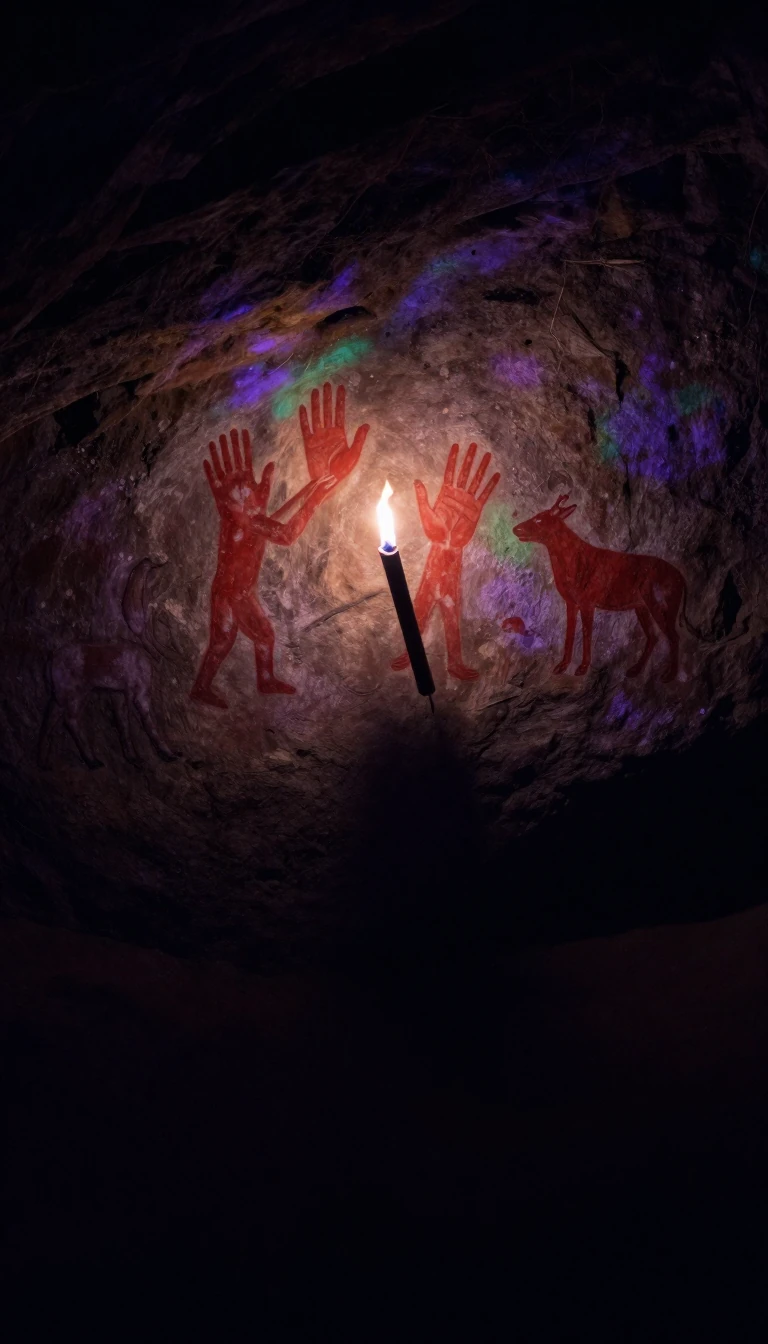 Ancient Indonesian cave art reveals visual storytelling existed 51,200 years agoResearchers using advanced laser-ablation dating on Indonesian cave art found that human-like figures interacting with animals were depicted at least 51,200 years ago. This discov…
 Climate and human activity combined to drive Pleistocene megafauna extinctionsResearchers investigating the disappearance of prehistoric giants found that neither human hunting nor climate change acted alone. Instead, the evidence suggests that the overlapp…
 Neanderthals may have actively shaped their prehistoric landscapes through fire and activityResearchers analyzing high-resolution data from a 125,000-year-old site in Germany found evidence that Neanderthals left a distinct ecological footprint. By studying the Neumark-N…
 Human arrival did not cause widespread island extinctions during the PleistoceneResearchers who examined archaeological and paleontological records of Pleistocene islands found no evidence that human arrival triggered widespread extinctions. While humans are …
 Neandertals may have shared modern-like language capacities with early humansResearchers reviewing evidence from genetics, archaeology, and linguistics argue that modern language is much older than previously thought. Rather than appearing suddenly with mo…
- The legal battle over the definition of cultural genocideWhen the term was first coined in 1944, it included the destruction of a group's culture. Yet, today, the United Nations does not recognize cultural genocide as a crime under the …
 The bundles of sticks that define a nation's identityTo be Baganda is to be part of a bundle. Derived from the word for tied sticks, this Bantu ethnic group uses a complex system of 46 to 52 clans to organize everything from surname…
 Does Consent Mean Compliance? Unmasking Cultural Dominance.Cultural hegemony suggests that the ruling class maintains power not just through force, but by making its worldview seem like the natural, inevitable way things are. This subtle …
 The Guna people maintain remarkable health and autonomy through a unique, trade-focused culture.Indigenous to Panama and Colombia, the Guna people have thrived by blending ancient traditions with a fierce commitment to economic self-determination. From their matrilinear soci…
 The word nomad began as ancient Greek for a pastureNomad traces back through Latin to a Greek word for pasture, and grazing still explains much nomadic movement. Mongolian herding families typically relocate just twice a year, bet…
- Did every society climb the same ladder? Anthropologists found people skipping rungsVictorian scholars pictured humanity marching in lockstep from savagery to civilisation. By the mid-twentieth century, so many communities had jumped from hunting and gathering to…
 In the 1930s one American farmer fed three people; now it is over a hundredMore than half a billion of the world's farmers are smallholders, and between them they keep almost two billion people going. Yet in rich countries a single grower may feed over a…