How international treaties accidentally created a new breed of naval predator
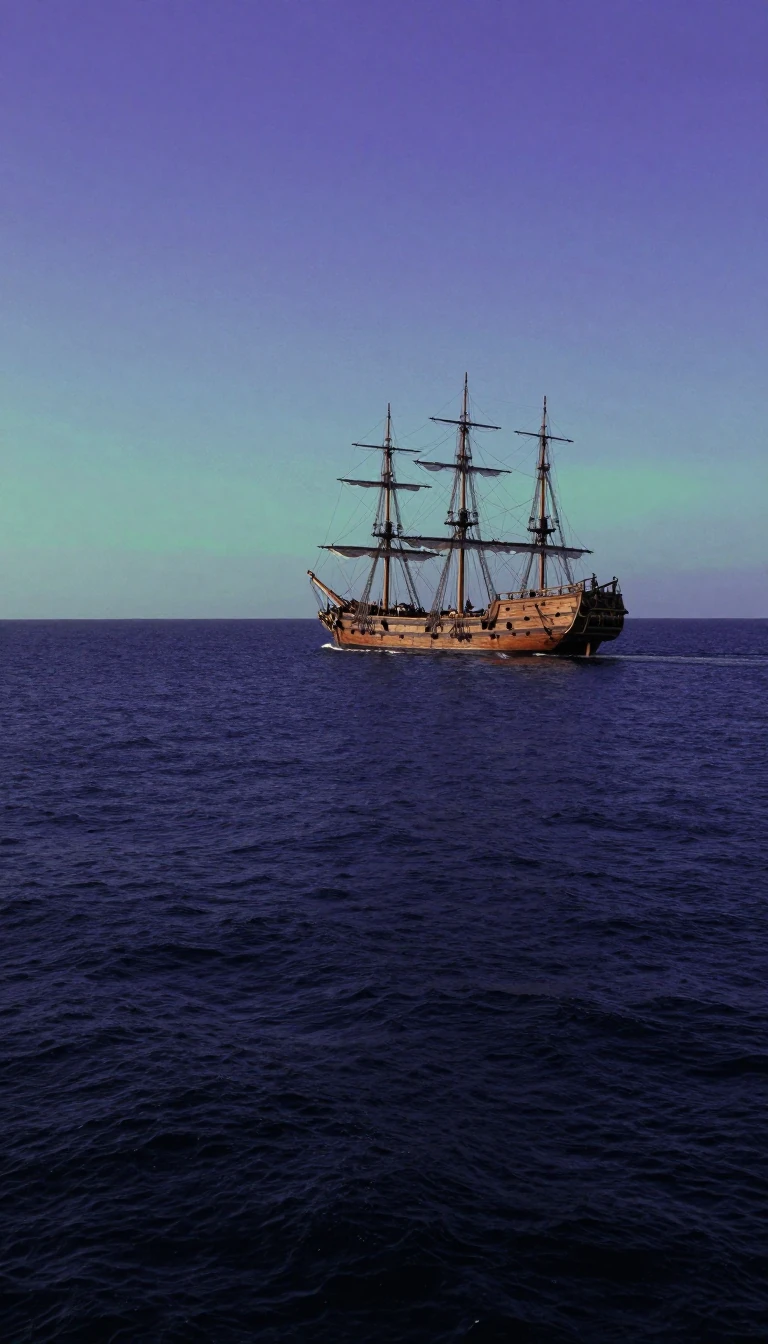
In short: In the 1920s, global powers weren't just trying to prevent war; they were trying to outsmart the law. By setting strict limits on massive battleships, diplomats inadvertently birthed the heavy cruiser: a fast, lethal middleweight designed to dominate the seas without breaking the rules.
The heavy cruiser emerged from a complex web of maritime diplomacy. Following the 1922 Washington Naval Treaty, which froze the construction of massive capital ships, naval architects faced a dilemma. While the treaty restricted the size and firepower of battleships, it left a strategic gap. This led to the 1930 London Naval Treaty, which formally codified the distinction between 'heavy' cruisers—armed with guns larger than 155 mm—and 'light' cruisers.
These ships were not intended to fight in the main battle line like dreadnoughts. Instead, they were specialists. Designed for long-range missions, they functioned as commerce protectors or 'cruiser-killers,' hunting down similarly sized vessels. Unlike their predecessors, the armoured cruisers, which relied on coal and reciprocating engines, heavy cruisers utilized modern oil-fired steam turbines. This allowed for much higher sustained speeds and more efficient long-distance cruising.
However, the era of the treaty cruiser was defined by a frantic arms race. While the US and Britain attempted to adhere to the 10,000-ton displacement limit, other nations pushed the boundaries. The Japanese Myōkō class famously exceeded weight limits to increase firepower, while the Italian Zara class prioritized balanced protection over pure speed. Even the American Pensacola-class, though designed to fit the treaty, struggled with stability issues due to an unusual, top-heavy turret arrangement. Ultimately, the heavy cruiser became a masterpiece of calculated engineering, balancing the fine line between legal compliance and lethal capability.
Opens the Intellect+ feed with this card first. Swipe up for the next one.
Sources
- Summary by Intellect · source: Heavy cruiser
To cite this card, link to https://intellectplus.co.uk/app/culture-heavy-cruiser.
How we source, check and correct cards: Editorial standards.
General information, not professional advice. Spotted an error? Flag the card or see corrections and complaints.
Intellect Plus is a visual educational discovery platform for exploring fascinating facts and ideas. Brain Food, Not Brain Rot. What is Intellect Plus?
Related
More in Traditions & customs · More in Cultures · Latest · A–Z · All topics
