Before European arrival, South America was a continent of complex, highly adapted civilizations.
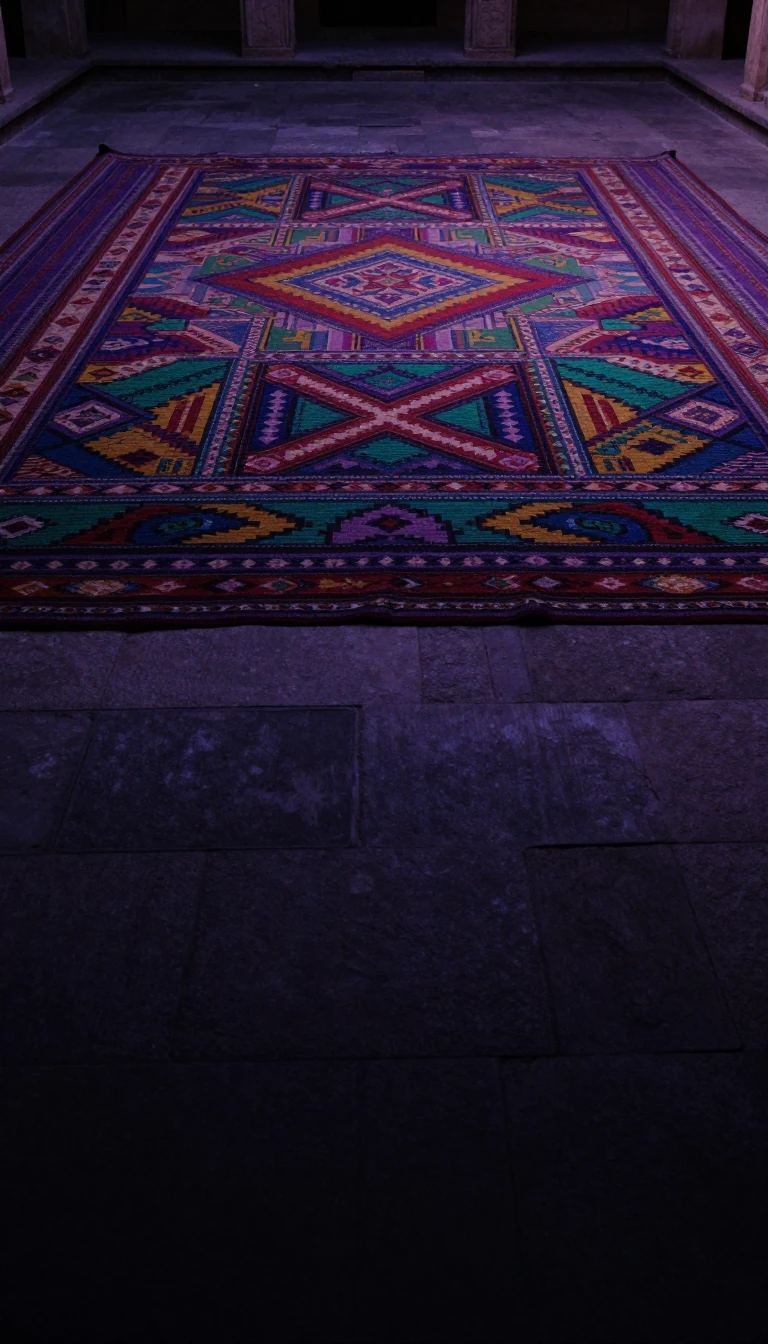
In short: Long before the 16th-century conquest, South America was home to diverse societies that mastered their environments. From sophisticated Andean empires to innovative Amazonian agriculturalists, these peoples developed advanced irrigation, monumental architecture, and complex social structures over thousands of years, challenging the notion of a sparsely populated, primitive wilderness.
The pre-Columbian landscape of South America was far from empty. While nomadic hunter-gatherers thrived in regions like the Pampas and Patagonia, the continent’s coastal areas, major river basins, and Andean highlands supported dense populations and complex social organizations. Agriculture emerged in the tropical lowlands of the Amazon and the valleys of coastal Ecuador and Colombia by approximately 3000 BCE. These early societies utilized raised fields to manage soil fertility and water levels, while coastal cultures like the Moche and Nazca produced intricate textiles and ceramic art.
In the Andes, engineering reached remarkable heights. Highland populations cultivated volcanic soils using specialized tools like the foot plow, known as the chaquitaclla, and transformed the rugged terrain with extensive stone-walled terracing and irrigation canals. This infrastructure supported powerful chiefdoms and eventually expansive states. The Inca Empire, or Tawantinsuyu, stands as the most famous of these, stretching from southern Colombia to central Chile. Despite their dominance, the Inca were unable to conquer the chiefdoms of the Amazon basin or coastal Ecuador, leaving the continent a mosaic of distinct political entities when Spanish forces arrived in the 1530s.
The origins and population size of these groups remain subjects of intense study. Most anthropologists trace their ancestry to migrations from Asia across the Bering Strait at least 16,500 years ago, with archaeological evidence confirming human presence in Chile by 11,000 BCE. Estimates of the total pre-conquest population vary wildly, though modern scholars often suggest a figure of about 20 million for South America alone. These diverse cultures were not merely survivors in a harsh environment; they were architects of sophisticated systems that allowed them to flourish across deserts, mountains, and rainforests for millennia.
Opens the Intellect+ feed with this card first. Swipe up for the next one.
Sources
- Summary by Intellect · source: South America - Indigenous, Cultures, Diversity | Britannica
- Also: Indigenous peoples of South America
To cite this card, link to https://intellectplus.co.uk/app/culture-indigenous-peoples-of-south-america.
How we source, check and correct cards: Editorial standards.
General information, not professional advice. Spotted an error? Flag the card or see corrections and complaints.
Intellect Plus is a visual educational discovery platform for exploring fascinating facts and ideas. Brain Food, Not Brain Rot. What is Intellect Plus?
Related
More in Ethnology and anthropology · More in Cultures · Latest · A–Z · All topics
