The Norse jötunn was never a giant, but a complex, chaotic kin of the gods.
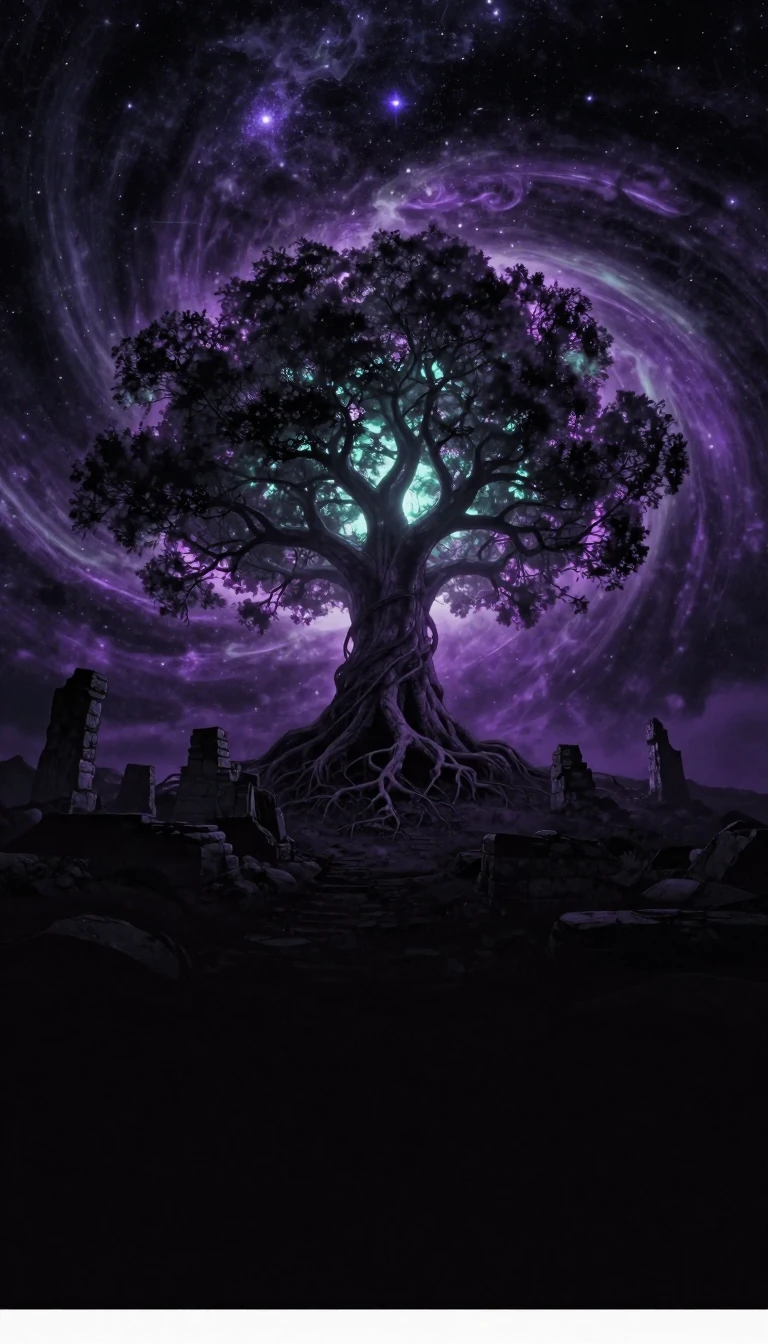
In short: While modern fantasy paints jötnar as lumbering, oversized brutes, the reality of Germanic mythology is far more nuanced. These beings were not defined by their physical stature, but by their status as a distinct, often chaotic family group living on the periphery of the world, constantly challenging the established divine order.
In Old Norse records, the jötunn—or ettin in archaic English—is a multifaceted entity. Scholars like John Lindow argue that translating these figures as 'giants' is misleading, as they were often similar in size to the gods themselves. Instead, they are best understood as a kin group defined by their social and geographical distance from the Æsir and Vanir. They dwell in Jötunheimr, a realm that exists beyond the boundaries of human and divine society, accessible only through specific, often perilous, thresholds like mountains, darkness, or flickering flames.
The relationship between the gods and the jötnar is deeply intertwined rather than strictly oppositional. Many gods, including Odin, Thor, and Loki, share jötunn ancestry. Narratives frequently feature gods seeking secret knowledge or poetic inspiration from these beings, or even marrying into their families. For instance, the goddess Skaði was a jötunn by birth, yet she was worshipped in Old Norse religion, with toponyms like Skedevi in Sweden marking her cultic significance. Similarly, the earth-goddess Jörð is often identified as a jötunn, illustrating the fluid, non-biological nature of these categories.
As Christianity spread, the perception of the jötunn shifted significantly. They were increasingly demonized, portrayed as uncivilized, cannibalistic, and intellectually inferior. This transformation influenced later folklore, where giants became interchangeable with trolls and were often depicted as enemies of the church, famously disliking the sound of bells. Despite this, the ancient connection remains visible in the landscape. From the Yetnasteen in Orkney to place-names like Thursford in Norfolk, the legacy of these beings persists in the geography of Northern Europe, where petrified giants are said to guard the ruins of the past.
Opens the Intellect+ feed with this card first. Swipe up for the next one.
Sources
- Summary by Intellect · source: Jötunn
To cite this card, link to https://intellectplus.co.uk/app/culture-j-tunn.
How we source, check and correct cards: Editorial standards.
General information, not professional advice. Spotted an error? Flag the card or see corrections and complaints.
Intellect Plus is a visual educational discovery platform for exploring fascinating facts and ideas. Brain Food, Not Brain Rot. What is Intellect Plus?
Related
More in UK & Irish culture · More in Cultures · Latest · A–Z · All topics
