Kalamata is more than just an olive; it is a city of ancient secrets.
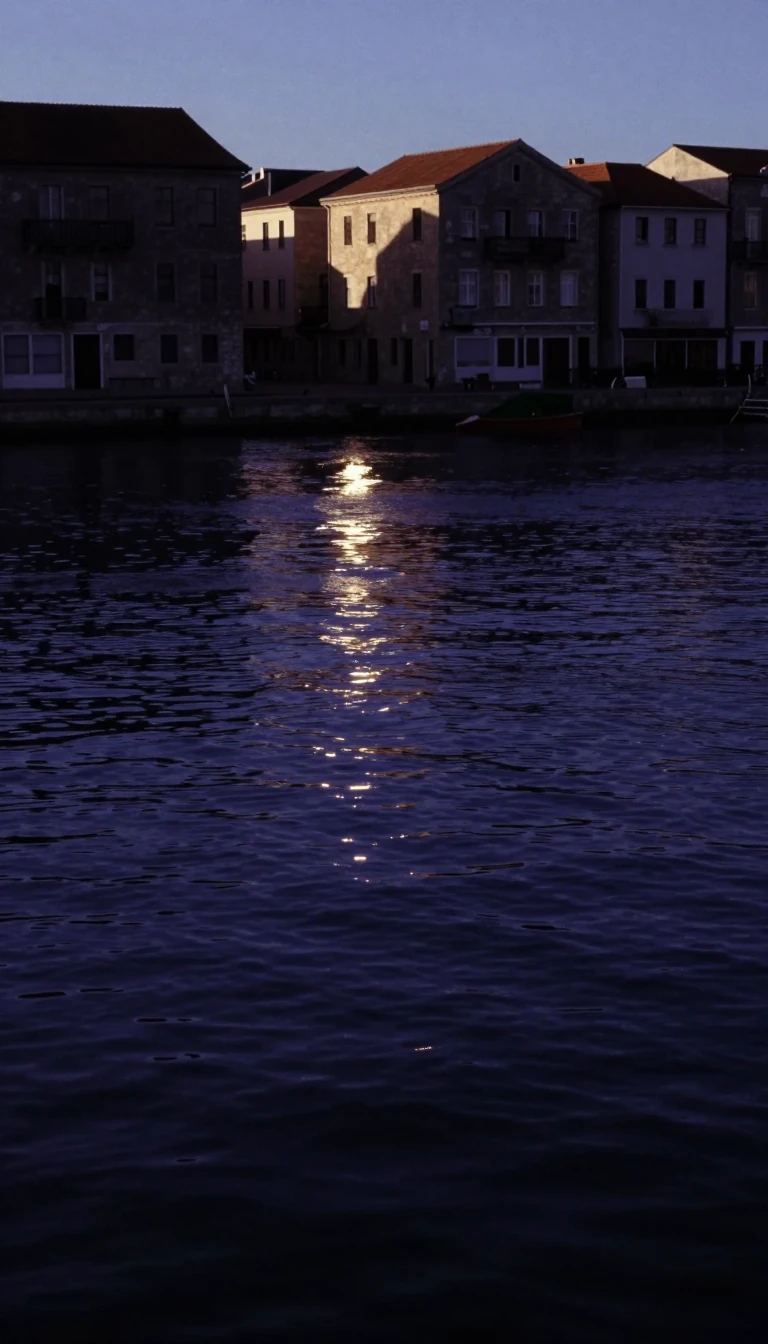
In short: While famous for its namesake olives and oil, Kalamata holds a complex history as a strategic Mediterranean port. From its origins as a disputed ancient site to its pivotal role in the Greek War of Independence, this Peloponnesian capital has survived earthquakes, occupations, and centuries of shifting feudal power.
Kalamata sits on the site of ancient Pharae, a city mentioned by Homer, though its identity was long debated. While some once believed the area was submerged in antiquity, archaeological finds at Akovitika, including a Temple of Poseidon, confirm the site’s ancient roots. By the 10th century, the town appeared in the Life of St. Nikon the Metanoeite under its modern name, though it was then an inland settlement rather than a port, sheltered by the foothills of Mount Taygetos.
The city’s medieval history is defined by the Frankish Principality of Achaea. Following the Fourth Crusade in 1205, it became a central patrimony for the Villehardouin family. Its strategic value was immense; it served as a dowry for princesses and a prize for feudal lords. By the 14th century, it was one of the largest towns in the Morea, though it eventually declined in favor of nearby Androusa before coming under Byzantine control in 1428.
The modern era brought further upheaval. Kalamata was the first city liberated during the Greek War of Independence in 1821, with the revolt declared at the Church of the Holy Apostles. Despite being destroyed by Ibrahim Pasha in 1825, the city rebuilt itself into a vital Mediterranean commercial hub. Today, it hosts the second-oldest Chamber of Commerce in the Mediterranean and remains a cultural center, home to the Kalamata International Dance Festival and a museum dedicated to Maria Callas.
Opens the Intellect+ feed with this card first. Swipe up for the next one.
Sources
- Summary by Intellect · source: Kalamata
To cite this card, link to https://intellectplus.co.uk/app/culture-kalamata.
How we source, check and correct cards: Editorial standards.
General information, not professional advice. Spotted an error? Flag the card or see corrections and complaints.
Intellect Plus is a visual educational discovery platform for exploring fascinating facts and ideas. Brain Food, Not Brain Rot. What is Intellect Plus?
Related
More in Traditions & customs · More in Cultures · Latest · A–Z · All topics
