Karakalpakstan: The Autonomous Republic Facing an Environmental and Political Crossroads
In short: Once a thriving agricultural hub supported by ancient irrigation, Karakalpakstan is now a desert-bound autonomous republic within Uzbekistan. Facing the ecological collapse of the Aral Sea and intense political scrutiny, this region—home to a unique culture distinct from its neighbors—struggles to balance its sovereignty with a harsh, changing climate.
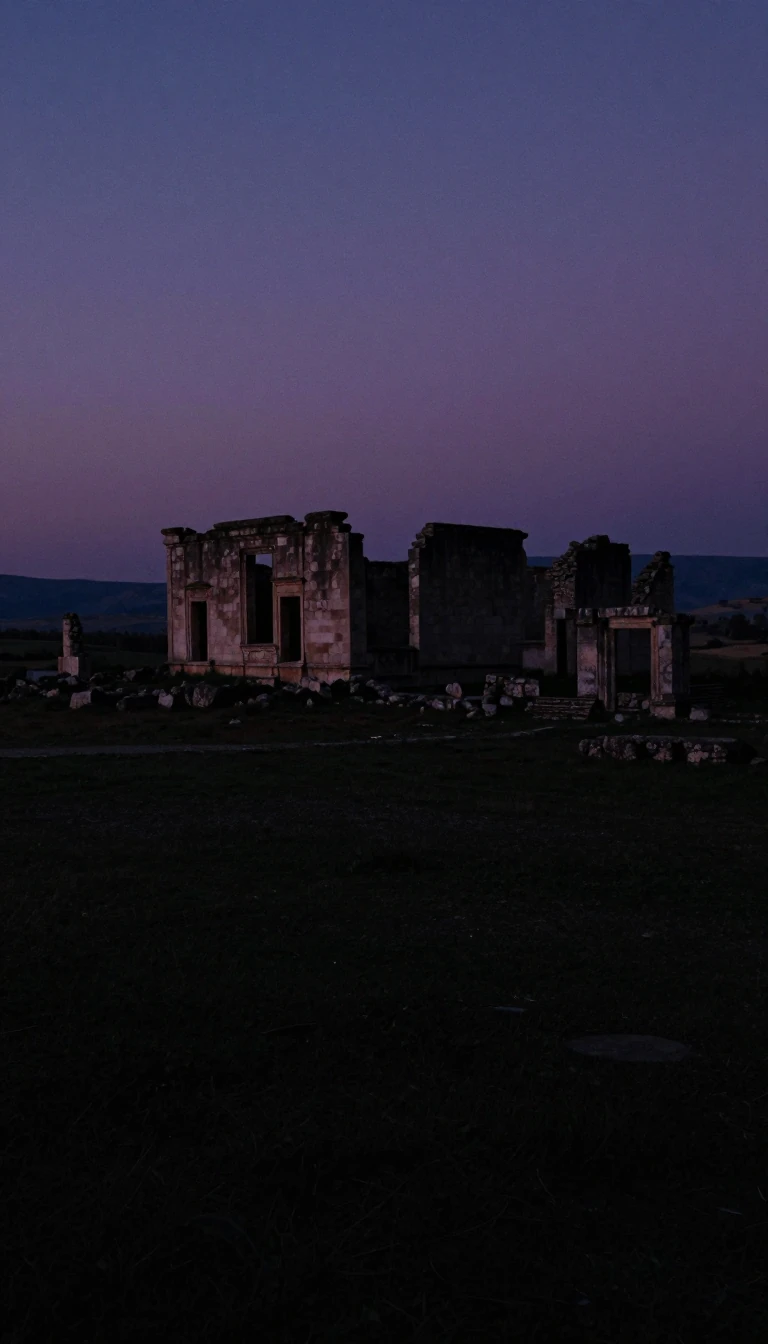
Karakalpakstan, an autonomous republic covering 164,900 square kilometers of northwestern Uzbekistan, occupies the historic land of Khwarazm. For a millennium, from roughly 500 BC to 500 AD, the region flourished through sophisticated irrigation. Its strategic value was immense, evidenced by over 50 ancient Khorezm fortresses. Today, however, the landscape is defined by the Kyzyl Kum and Karakum deserts and the environmental catastrophe of the Aral Sea's evaporation.
The region's modern history is marked by shifting administrative status. After being ceded to the Russian Empire in 1873, it transitioned through various Soviet-era configurations before joining Uzbekistan in 1936. Despite its integration, Karakalpakstan retains formal sovereignty and a constitutional right to secede via referendum. This autonomy was tested in July 2022, when mass protests erupted over proposed constitutional changes that threatened to strip the region of its independent status, forcing the government to abandon the plan.
Ecologically, the region is in crisis. The diversion of the Amu Darya and Syr Darya rivers has caused widespread crop failure, impacting the livelihoods of approximately 48,000 people. The drying of the Aral Sea has left behind toxic salt and pesticide residues, leading to a surge in respiratory illnesses and anemia. While the population remains young—with a median age of 27.7 years as of 2017—the environmental degradation and economic challenges pose significant hurdles to the republic's future stability.
Culturally, the Karakalpak people maintain a distinct identity. Their language is more closely aligned with Kazakh and Nogai than with Uzbek, and they have transitioned from a history of nomadic herding and fishing to a modern economy centered on cotton, rice, and fruit production. As the region navigates these pressures, it remains a complex intersection of ancient history, Soviet legacy, and the urgent realities of climate change.
Opens the Intellect+ feed with this card first. Swipe up for the next one.
Sources
- Summary by Intellect · source: Karakalpakstan
To cite this card, link to https://intellectplus.co.uk/app/culture-karakalpakstan.
How we source, check and correct cards: Editorial standards.
General information, not professional advice. Spotted an error? Flag the card or see corrections and complaints.
Intellect Plus is a visual educational discovery platform for exploring fascinating facts and ideas. Brain Food, Not Brain Rot. What is Intellect Plus?
Related
More in Traditions & customs · More in Cultures · Latest · A–Z · All topics
