Kavala: The ancient northern Greek port that reinvented its identity across three millennia
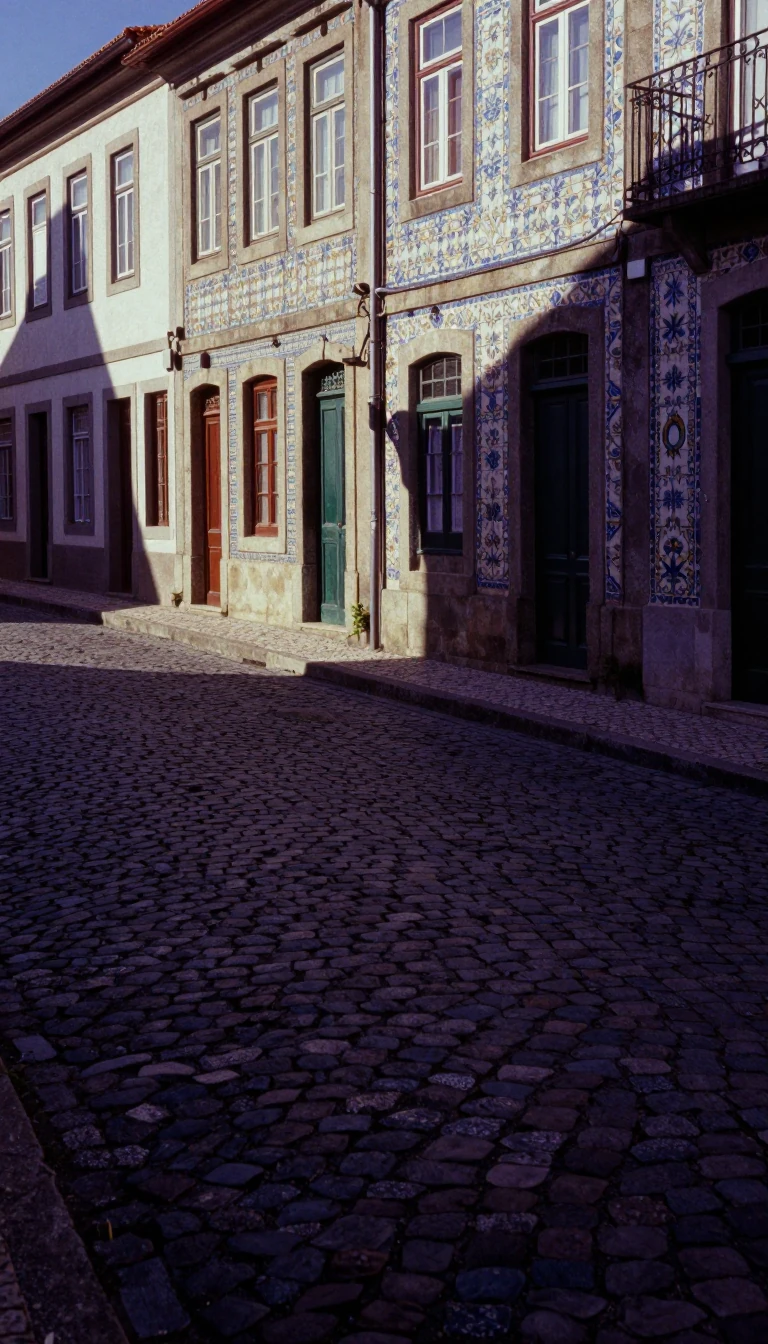
In short: From a gold-seeking colony to a tobacco powerhouse and a temporary communist stronghold, this northern Greek city has survived sieges, occupations, and name changes. Known today as the cyan city, Kavala remains a vital gateway between Europe and the Middle East, defined by its dramatic, amphitheater-like architecture overlooking the Aegean.
Founded by migrants from Thassos during the late 7th century BC, the settlement originally served as a strategic base for accessing the precious metal mines of Mount Pangaion. Known in antiquity as Neapolis, the city maintained a steadfast alliance with Athens, earning recognition for its loyalty during the Peloponnesian War. By the Roman era, its position on the Via Egnatia ensured its status as a bustling commercial hub, eventually welcoming the Apostle Paul on his first European journey.
The city underwent significant transformations during the Byzantine period, when it was fortified by Justinian I and renamed Christoupolis to reflect its Christian character. Following centuries of shifting control between Byzantines, Normans, and Lombards, the Ottoman Empire seized the city in 1387. Under Ottoman rule, it flourished as a center for trade and architecture, with landmarks like the reconstructed Roman aqueduct and the expanded fortress on the Panagia hill still defining the skyline today. It was also the birthplace of Muhammad Ali, who later founded a dynasty in Egypt.
The 20th century brought profound upheaval. After being incorporated into Greece in 1913, the city became a refuge for thousands of people fleeing Anatolia, fueling an industrial boom in tobacco processing. This era of growth saw Kavala briefly dubbed Little Moscow after electing the first communist mayor in modern Greek history in 1934. However, the city suffered immensely during the Second World War under Bulgarian occupation, which saw the near-total destruction of its Jewish community. Today, the city balances its historical legacy with modern economic activities, including fishing, tourism, and offshore oil extraction.
The origin of the name Kavala remains a subject of scholarly debate. Theories range from an ancient Greek settlement called Skavala to the Italian word for horse, reflecting the city's role as a courier station. Others suggest the name was brought by Muslim settlers from Iconium in the 16th century, or even that it stems from a misinterpretation of Alexander the Great's horse, Bucephalus. Regardless of its etymology, the city’s enduring resilience as a maritime crossroads remains its most defining feature.
Opens the Intellect+ feed with this card first. Swipe up for the next one.
Sources
- Summary by Intellect · source: Kavala
To cite this card, link to https://intellectplus.co.uk/app/history-kavala.
How we source, check and correct cards: Editorial standards.
General information, not professional advice. Spotted an error? Flag the card or see corrections and complaints.
Intellect Plus is a visual educational discovery platform for exploring fascinating facts and ideas. Brain Food, Not Brain Rot. What is Intellect Plus?
Related
More in Empires & civilisations · More in History · Latest · A–Z · All topics
