The Kumyks: A formidable Turkic power that once halted Russian expansion for over a century
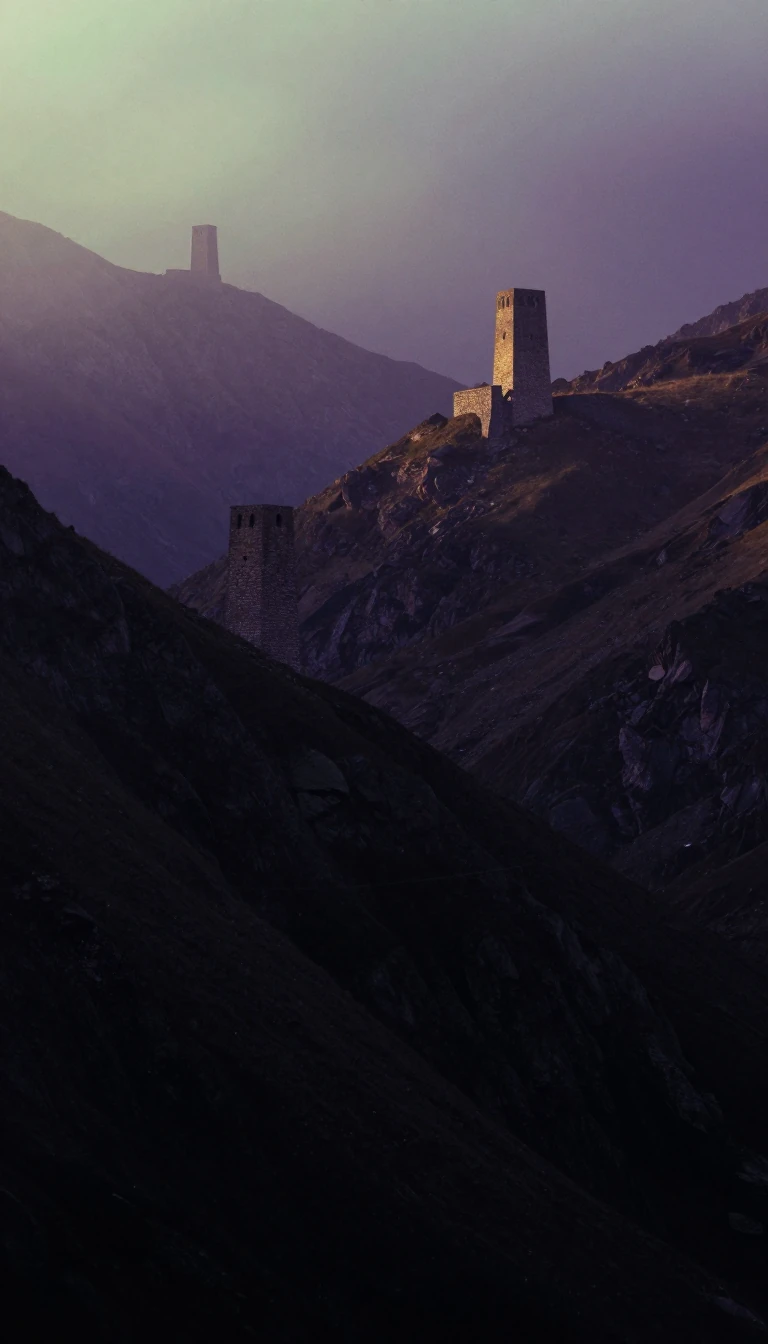
In short: As the largest Turkic ethnic group in the North Caucasus, the Kumyks historically balanced influence between the Ottoman, Persian, and Russian empires. Renowned for their fierce military prowess, they maintained a series of independent states that repeatedly challenged imperial ambitions, leaving a legacy of resistance that defined regional geopolitics for centuries.
The origins of the Kumyk people remain a subject of intense scholarly debate, reflecting a complex tapestry of migration and assimilation. While some researchers trace their roots to the 8th-century Oghuric Khazar Khaganate, others emphasize the 12th-13th century Kipchak migrations. Modern interpretations suggest a multifaceted ethnogenesis, where an ancient, pre-Turkic stratum was progressively Turkified by successive waves of Khazars, Kipchaks, and other medieval groups. This heritage is preserved in their language, which belongs to the Kipchak branch of the Turkic family, and in oral traditions that may date back to the Khazar era.
For centuries, the Kumyks were a significant regional power, organized into decentralized feudal entities like the Tarki Shamkhalate. Their strategic location along the Caspian Sea made them a focal point for imperial competition. By the 16th century, the Shamkhalate had emerged as a considerable force, capable of maneuvering between the Ottoman and Persian empires while resisting Russian incursions. Their military reputation was such that after the 1604–1605 Battle of Karaman, the historian Nikolay Karamzin noted they successfully halted Russian expansion for 118 years.
The 18th and 19th centuries brought relentless pressure from the Russian Empire. Despite fierce resistance—including the 1722 defense of the Utamish Sultanate and numerous 19th-century revolts—the Kumyks faced significant territorial loss and displacement. Following the Caucasian War, many Kumyks migrated to the Ottoman Empire, establishing communities in modern-day Turkey, Syria, and Jordan. Today, the Kumyks primarily reside in the Russian Federation, particularly in Dagestan, where they remain the third-largest ethnic group, maintaining a distinct cultural identity shaped by their deep historical roots and centuries of geopolitical resilience.
Opens the Intellect+ feed with this card first. Swipe up for the next one.
Sources
- Summary by Intellect · source: Kumyks
To cite this card, link to https://intellectplus.co.uk/app/culture-kumyks.
How we source, check and correct cards: Editorial standards.
General information, not professional advice. Spotted an error? Flag the card or see corrections and complaints.
Intellect Plus is a visual educational discovery platform for exploring fascinating facts and ideas. Brain Food, Not Brain Rot. What is Intellect Plus?
Related
More in Ethnology and anthropology · More in Cultures · Latest · A–Z · All topics
