Why does Los Angeles International Airport use the mysterious three-letter code LAX?
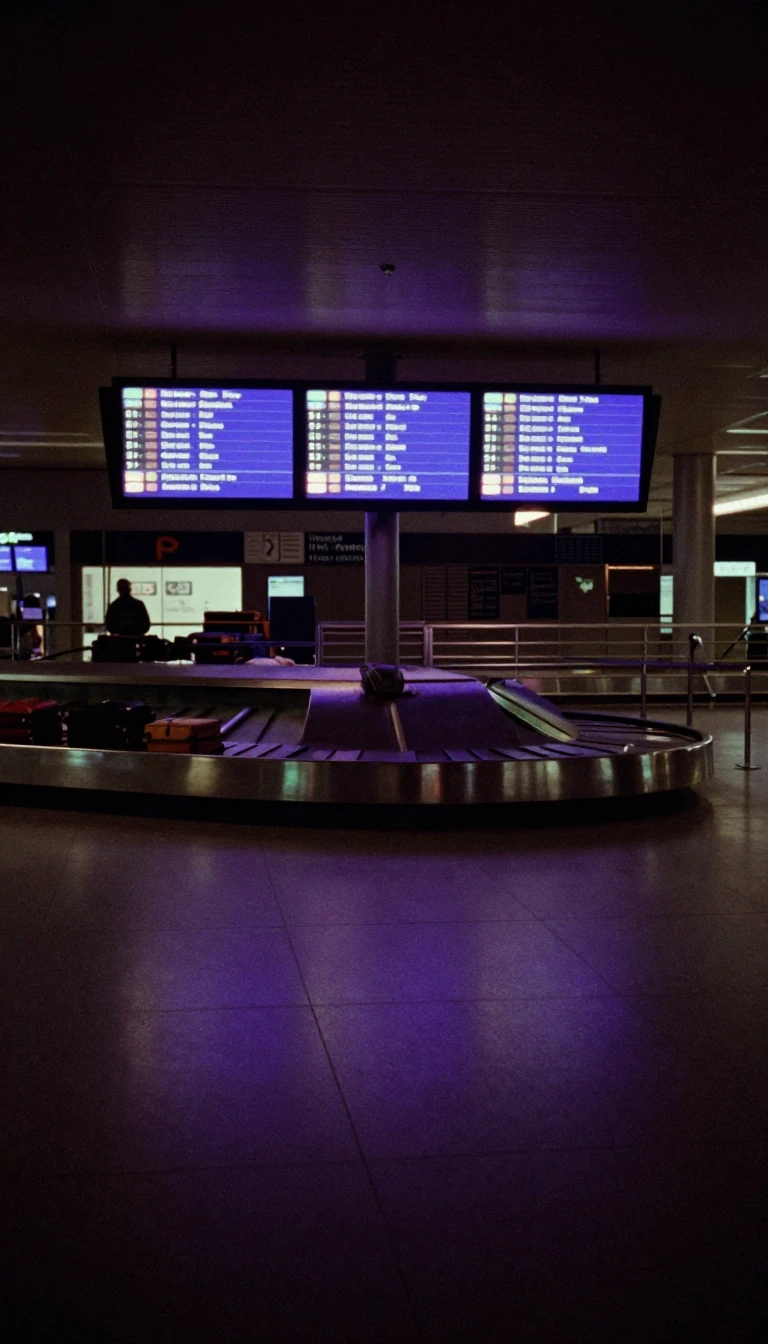
In short: Before the 1930s, airports used two-letter identifiers, and Los Angeles was simply LA. As aviation expanded in 1947, codes shifted to three letters. The X was added to the city's existing designation to create LAX, a suffix that holds no specific meaning but has since become a global aviation icon.
The site of Los Angeles International Airport was once agricultural land, used to grow wheat, barley, and lima beans. In 1928, the city leased this 640-acre field, then known as Mines Field, to establish a municipal airport. While the facility opened that same year, it struggled for decades to compete with established hubs like Burbank and Glendale. It was not until the post-World War II era, following a voter-approved bond in 1943, that major airlines finally committed to the location.
The airport's current layout, defined by a U-shaped arrangement of terminals, was established in 1958. A centerpiece of this design was the Googie-style Theme Building, a 1961 structure resembling a landed flying saucer. Though a planned steel-and-glass dome connecting the terminals was never realized, the Theme Building became a cultural landmark, eventually receiving designation as a Los Angeles Historic-Cultural Monument in 1992.
Operating a massive airport in a dense metropolitan area requires complex noise management. Since 1972, the airport has utilized a 'Preferential Runway Use Policy' to shield surrounding residential communities. During the day, it favors 'Westerly Operations' to send departing flights over the Pacific Ocean. At night, it shifts to 'Over-Ocean Operations' to further reduce noise, though these patterns are frequently disrupted by Santa Ana winds or inclement weather requiring an easterly approach.
Today, LAX is undergoing a $30 billion modernization program, including the addition of a transit center and an automated people mover called SkyLink. These upgrades aim to increase gate capacity from 146 to 182. However, the rising costs of these improvements have created friction; some ultra low-cost carriers have argued that the resulting fees, which can reach $50 per departing passenger, make their business models unsustainable at this major international gateway.
Opens the Intellect+ feed with this card first. Swipe up for the next one.
Sources
- Summary by Intellect · source: Los Angeles International Airport
To cite this card, link to https://intellectplus.co.uk/app/culture-los-angeles-international-airport.
How we source, check and correct cards: Editorial standards.
General information, not professional advice. Spotted an error? Flag the card or see corrections and complaints.
Intellect Plus is a visual educational discovery platform for exploring fascinating facts and ideas. Brain Food, Not Brain Rot. What is Intellect Plus?
Related
More in Languages · More in Cultures · Latest · A–Z · All topics
