The Massagetae were an ancient Central Asian power that once humbled the Persian Empire.
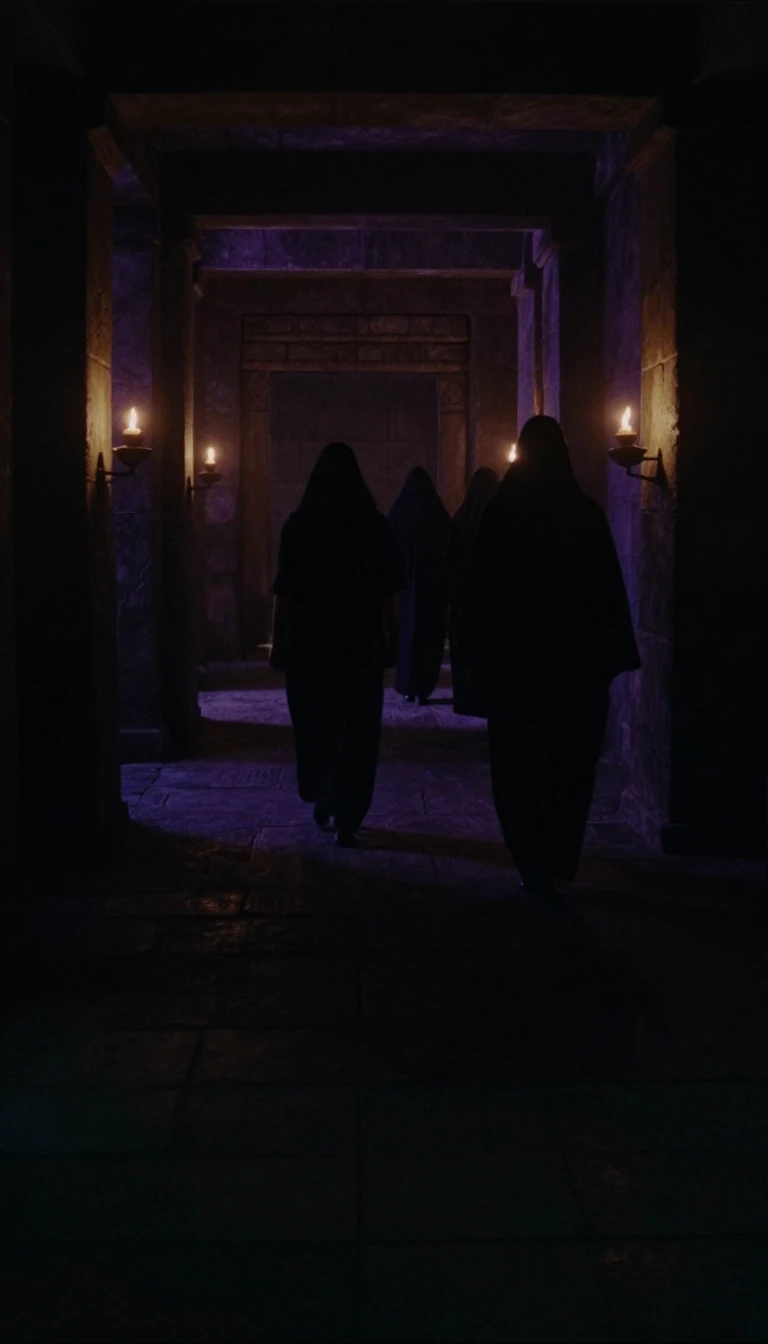
In short: Rising to dominance between the 8th and 7th centuries BC, the Massagetae were a formidable nomadic people of the Eurasian steppes. Famous for their warrior queen Tomyris, they reshaped history by displacing the Scythians and challenging the mighty Achaemenid dynasty, leaving a legacy that eventually evolved into the Alans.
The Massagetae, an Eastern Iranian people, emerged as a dominant force in Central Asia by forcing the Scythians westward into the Caucasian and Pontic steppes. This migration triggered a chain reaction of tribal displacement that influenced the history of civilizations from Mesopotamia to Egypt. Their territory spanned the vast region between the Amu Darya and Syr Darya rivers, encompassing deserts, plateaus, and river systems that supported their nomadic lifestyle. They were often identified by the Persians as Sakā tigraxaudā, or 'Saka who wear pointed hats,' a reference to their distinctive tall, pointed headgear.
The most enduring legend surrounding the Massagetae involves their conflict with Cyrus the Great, the founder of the Achaemenid Empire. According to Herodotus, Queen Tomyris led the Massagetae to victory against Cyrus in 530 BC, famously placing his severed head into a sack filled with blood. While other ancient historians like Ctesias and Berossus attributed Cyrus's death to different groups—such as the Derbices or the Dahae—modern scholars suggest these names may refer to the same people or constituent sub-tribes. By the time of Darius I, the Massagetae were briefly conquered and forced to supply mounted bowmen to the Persian army, though they remained a significant military presence, contributing 40,000 troops during the later Macedonian invasion.
The decline of the Massagetae began in the 3rd century BC as the geopolitical landscape of Central Asia shifted under the Seleucid Empire. As their influence waned, they merged with other tribal groups to form the Alans, a powerful confederation that eventually migrated westward. By the 2nd century CE, the Alans dominated the North Caucasus and Black Sea regions. Following the Hunnish conquest in 375 CE, many Alans were absorbed, while others fled into Europe, eventually reaching as far as Britannia and North Africa. In later centuries, Byzantine writers adopted 'Massagetae' as a generic, archaising term for various steppe peoples, obscuring the specific identity of the original nomadic warriors who once defined the Central Asian frontier.
Opens the Intellect+ feed with this card first. Swipe up for the next one.
Sources
- Summary by Intellect · source: Massagetae
To cite this card, link to https://intellectplus.co.uk/app/culture-massagetae.
How we source, check and correct cards: Editorial standards.
General information, not professional advice. Spotted an error? Flag the card or see corrections and complaints.
Intellect Plus is a visual educational discovery platform for exploring fascinating facts and ideas. Brain Food, Not Brain Rot. What is Intellect Plus?
Related
More in Peoples & civilisations · More in Cultures · Latest · A–Z · All topics
