How an Italian lawyer transformed men's tailoring into a global women's fashion empire
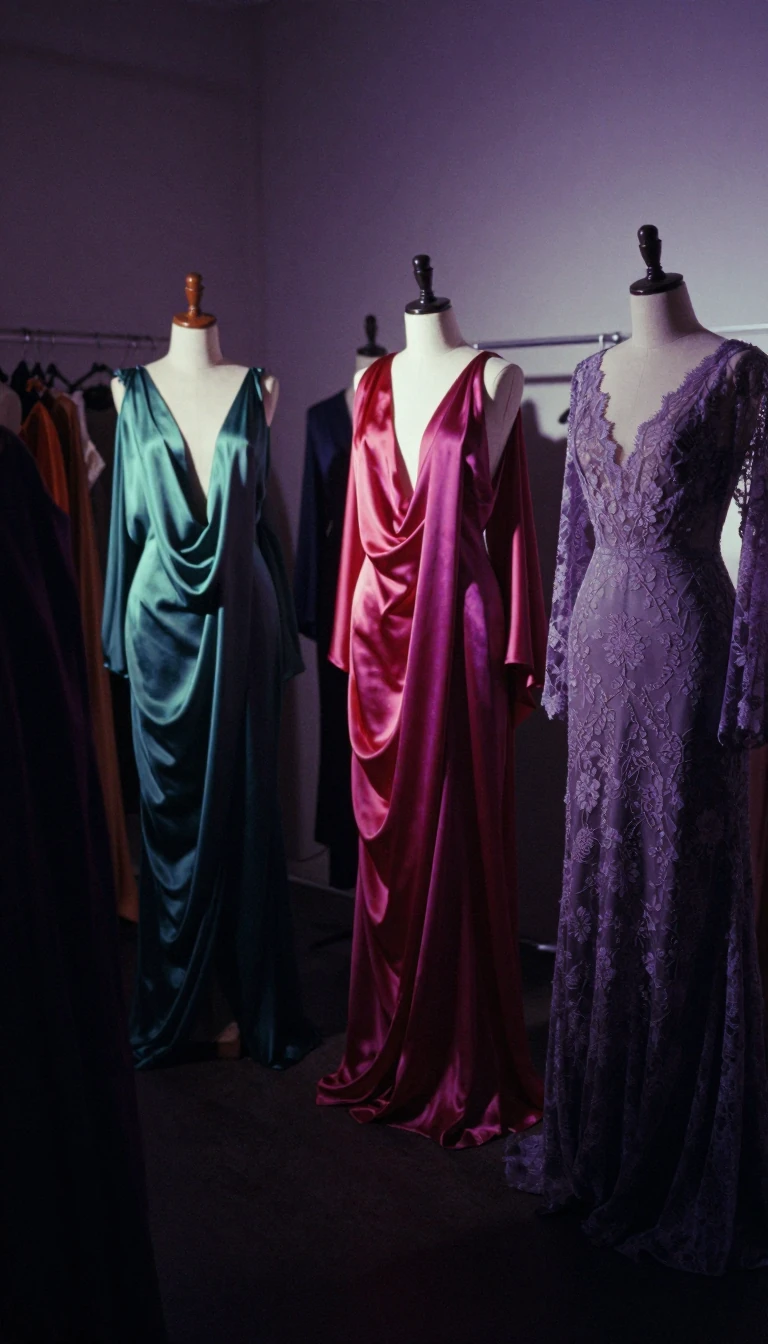
In short: Achille Maramotti founded Max Mara in 1951 with a singular vision: bringing American industrial efficiency to European couture. By reimagining the masculine coat for the female wardrobe, he built a brand that spans 502 stores today, while navigating complex legacies of artistic patronage, corporate growth, and modern ethical scrutiny.
Established in Reggio Emilia, the company began as Confezioni Maramotti. The founder, a law graduate, sought to pioneer Italian pret-a-porter by applying industrial processes to traditional tailoring. By 1957, the firm adopted the name Max Mara—a blend of a superlative and a diminutive of the founder's surname—and moved into a headquarters designed by industrial architect Eugenio Salvarani. The brand’s identity became inextricably linked to outerwear, specifically the adaptation of men's coats for women, a focus that solidified in the 1960s with the creation of a dedicated creative studio.
The house achieved iconic status through specific garments, such as the 1981 model 101801 coat designed by Anne-Marie Beretta. This piece, inspired by the men's Ulster coat, features the signature puntino stitching detail. The brand’s expansion included the launch of 35 labels, including the youth-focused MAX&Co. and Marina Rinaldi, the latter named after the founder's great-grandmother. Beyond clothing, the company cultivated a high-fashion image through collaborations with legendary photographers like Richard Avedon and Steven Meisel, and by establishing the Max Mara Art Prize for Women in 2005.
Despite its commercial success, the company has faced significant challenges. In 1995, it was investigated for alleged commercial fraud regarding fiber content labels. More recently, the brand has been the subject of intense public pressure. In 2023, research from groups including Sheffield Hallam University linked the company to forced labor in China, while in 2024, the Humane Society of the United States urged the brand to end its involvement in the fur trade, noting that competitors like Prada and Armani had already adopted fur-free policies. These controversies highlight the tension between the brand's heritage of industrial innovation and the evolving global standards for corporate accountability.
Opens the Intellect+ feed with this card first. Swipe up for the next one.
Sources
- Summary by Intellect · source: Max Mara
To cite this card, link to https://intellectplus.co.uk/app/culture-max-mara.
How we source, check and correct cards: Editorial standards.
General information, not professional advice. Spotted an error? Flag the card or see corrections and complaints.
Intellect Plus is a visual educational discovery platform for exploring fascinating facts and ideas. Brain Food, Not Brain Rot. What is Intellect Plus?
Related
More in Education · More in Cultures · Latest · A–Z · All topics
