Montana's name is a geographic misnomer for a state defined by its vast plains
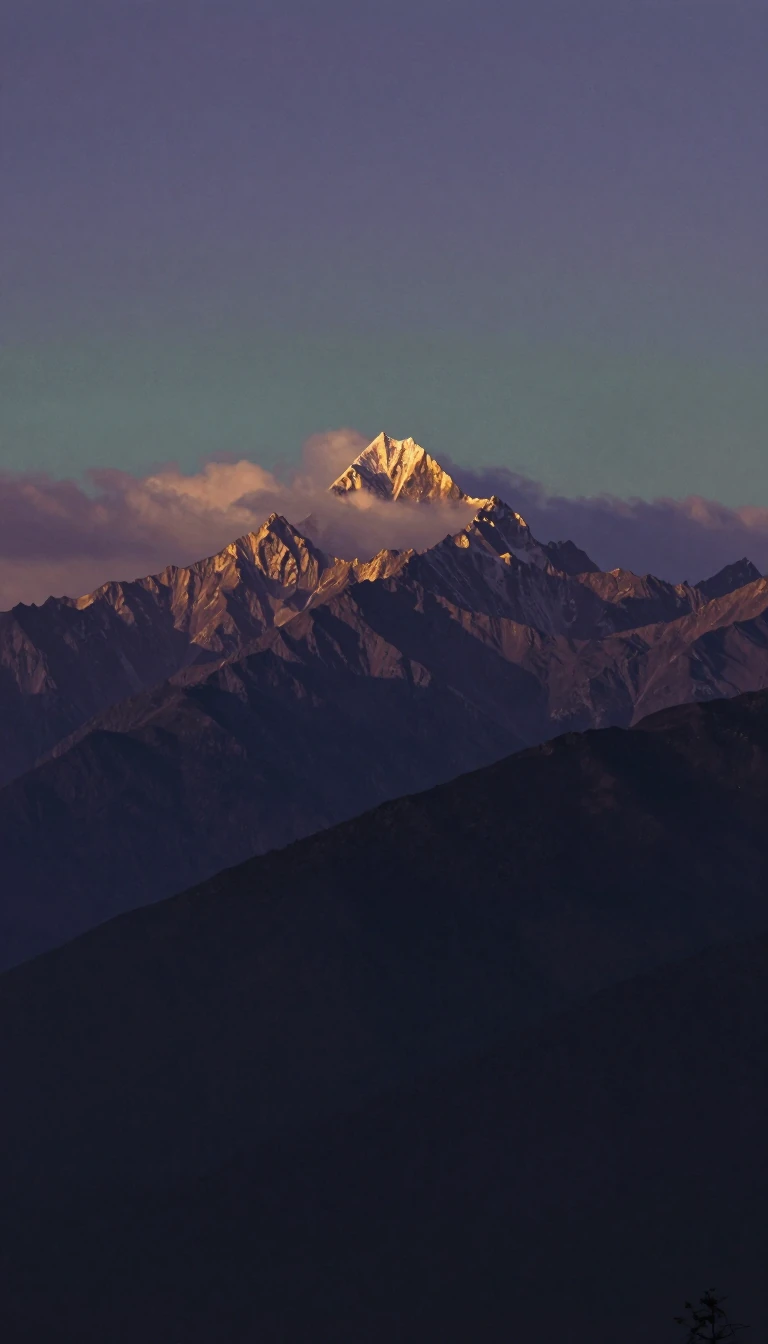
In short: Though the name Montana implies a mountainous landscape, the state is a dramatic study in contrasts. While the west is dominated by the rugged Rocky Mountains, the majority of its landmass consists of the expansive, horizontal Great Plains. This duality has shaped everything from its history to its modern identity.
The name Montana originates from the Spanish word montaña, meaning mountainous country. When the U.S. House Committee on Territories considered the name in the 1860s, critics argued it was a misnomer, noting that much of the territory was actually flat. Despite these objections, the name stuck. Geographically, the state is split: the western two-fifths contain the Rocky Mountains, while the eastern three-fifths lie upon the northern Great Plains. This division creates a stark visual shift from humid, forested mountain valleys to vast, golden rangelands and grain fields.
This landscape has dictated the state's economic and social trajectory. Early settlers were drawn by the promise of mineral wealth, leading to the nickname The Treasure State. However, the environment proved unforgiving for those attempting to replicate farming practices from wetter regions. The Homestead Act of 1862 and subsequent legislation brought tens of thousands of settlers, many of whom struggled with the arid climate and the reality that small plots were insufficient for the harsh, dry conditions east of the 100th meridian. The resulting economic instability, compounded by droughts and the collapse of small banks, eventually led to larger, more consolidated farm operations.
Montana's history is also marked by significant tensions between indigenous populations and incoming settlers, as well as a unique wartime experience. During World War I, the state's intense patriotism and labor conflicts led to the passage of the Montana Sedition Act, which criminalized criticism of the government. Later, during World War II, the state contributed a high number of soldiers per capita and served as a training ground for specialized military units. Despite its deep connection to the U.S. military, Montana remained the only one of the original 48 states to never have a battleship named in its honor, a gap finally addressed in 2022 with the commissioning of the submarine USS Montana.
Opens the Intellect+ feed with this card first. Swipe up for the next one.
Sources
- Summary by Intellect · source: Montana
- Also: Montana | Geography, History, Capital, Population, Climate, Map, & Facts | Britannica
To cite this card, link to https://intellectplus.co.uk/app/culture-montana.
How we source, check and correct cards: Editorial standards.
General information, not professional advice. Spotted an error? Flag the card or see corrections and complaints.
Intellect Plus is a visual educational discovery platform for exploring fascinating facts and ideas. Brain Food, Not Brain Rot. What is Intellect Plus?
Related
More in US culture · More in Cultures · Latest · A–Z · All topics
