How Hungary’s supreme legislative body evolved from a royal diet into a modern parliament
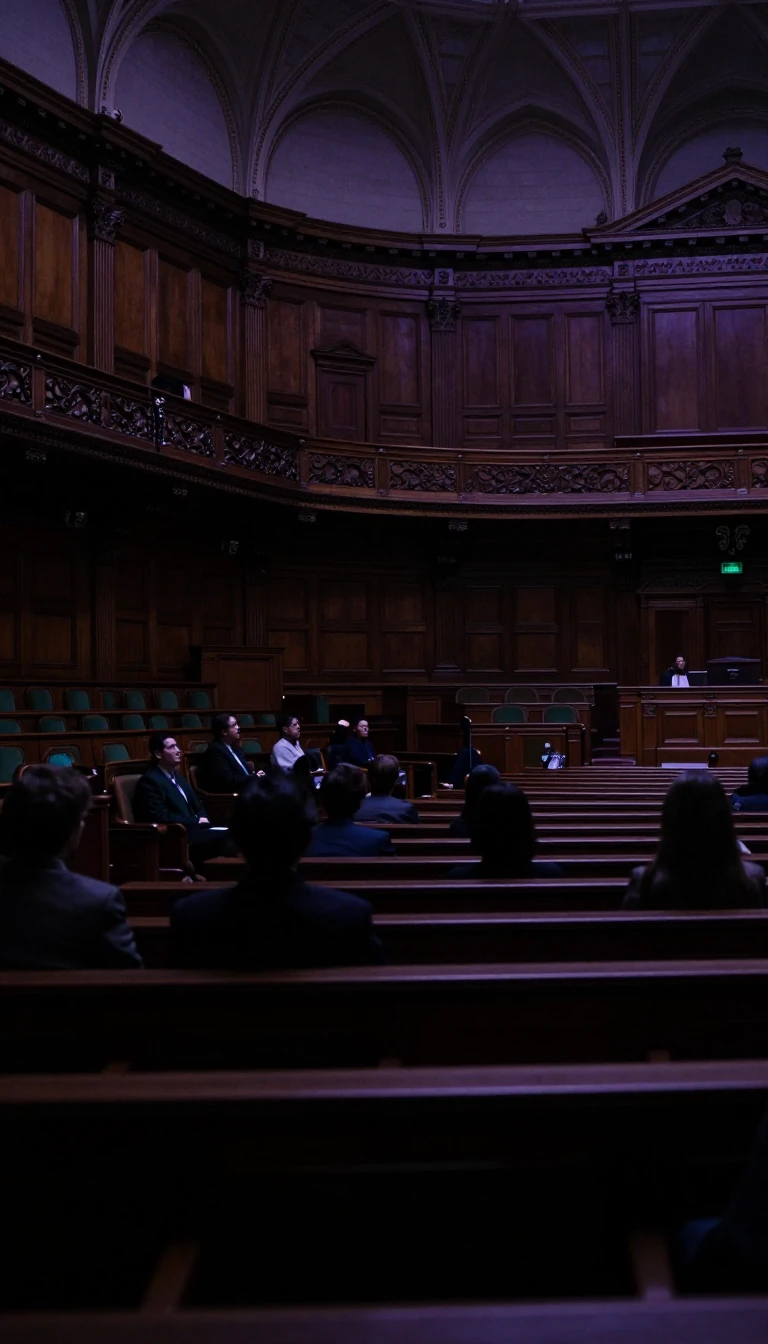
In short: Hungary’s National Assembly holds supreme legislative authority, serving as the heartbeat of the nation’s multiparty republic. While today it functions through a modern mixed electoral system, its roots stretch back to medieval assemblies. Understanding this unicameral body requires looking past its current operations to the centuries of political transformation beneath.
The modern National Assembly, or Országgyűlés, functions as a unicameral parliament with 199 members elected to four-year terms. Its current structure relies on a mixed electoral system where 106 representatives are chosen in single-member districts, while 93 seats are filled via national party lists. This body wields significant power, including the authority to elect the president and the Council of Ministers. While the Constitutional Court maintains the power to review laws for compliance with the nation's foundational legal principles, the Assembly itself remains the primary engine of governance.
The institution’s lineage is ancient, tracing back to the Diet of Hungary established in the 1290s. For centuries, this body served as a legislative forum for the kingdom, eventually adopting a bicameral structure in 1608 that separated high-ranking nobles and clergy from common nobility and urban representatives. During the 17th and 18th centuries, the assembly typically comprised about 500 individuals. Although the 1790 diet mandated meetings every three years, the Habsburg monarchy frequently bypassed this requirement. The assembly was later reconstituted following the 1867 Austro-Hungarian Compromise, reflecting the shifting power dynamics of the era.
The 20th century brought radical change. Under communist rule, the Assembly was theoretically the supreme organ of state power, yet it functioned primarily to rubber-stamp decisions made by the Hungarian Socialist Workers' Party. It met only twice annually, with the Presidential Council handling most legislative duties between sessions. This era concluded in 1989, when a major constitutional revision dismantled the single-party system, separating the legislative and executive branches. While the Assembly retained its status as the highest organ of power for decades, this designation was eventually removed by the 2012 Fundamental Law, marking the latest chapter in the evolution of Hungarian governance.
Opens the Intellect+ feed with this card first. Swipe up for the next one.
Sources
- Summary by Intellect · source: National Assembly | Hungarian government | Britannica
- Also: National Assembly (Hungary)
To cite this card, link to https://intellectplus.co.uk/app/culture-national-assembly-hungary.
How we source, check and correct cards: Editorial standards.
General information, not professional advice. Spotted an error? Flag the card or see corrections and complaints.
Intellect Plus is a visual educational discovery platform for exploring fascinating facts and ideas. Brain Food, Not Brain Rot. What is Intellect Plus?
Related
More in Peoples & civilisations · More in Cultures · Latest · A–Z · All topics
