The New Romantics: How an Underground London Club Scene Conquered Global Pop Music
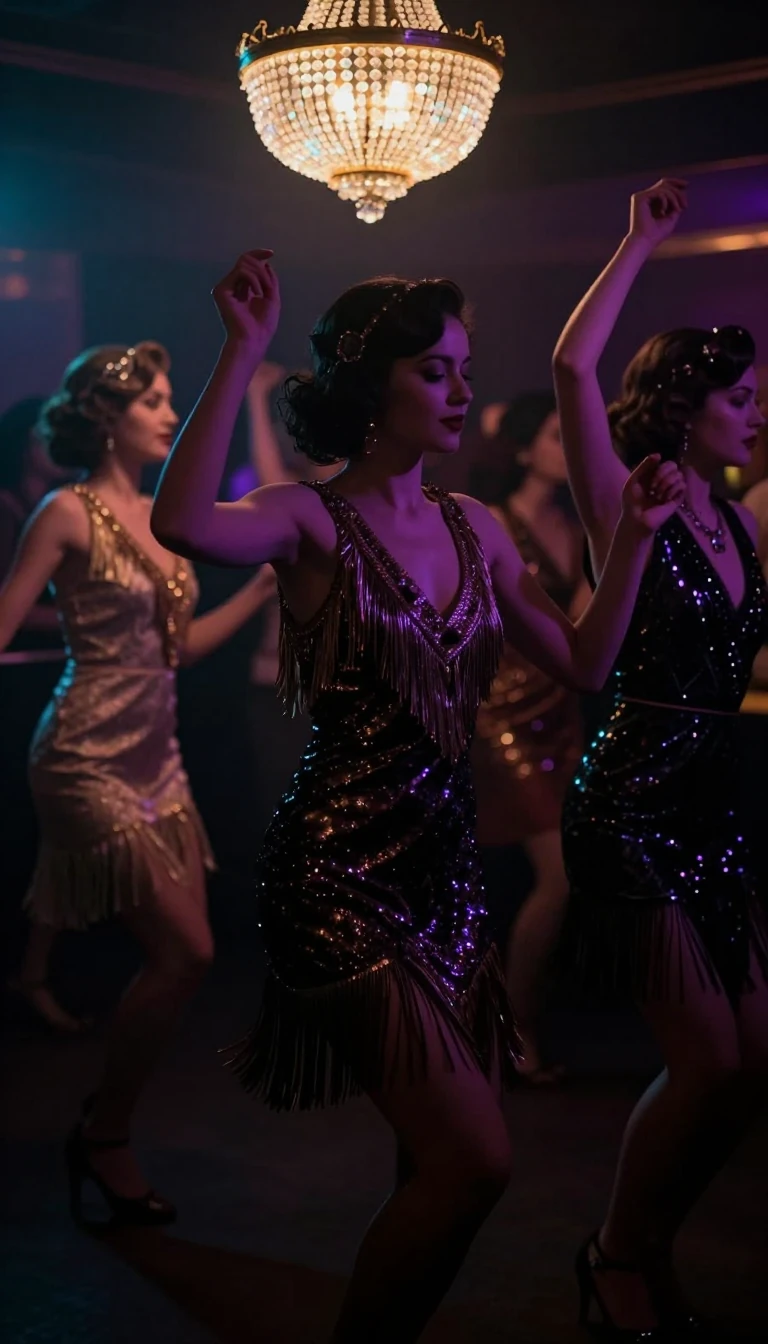
In short: Emerging from the flamboyant nightlife of late 1970s London, the New Romantic movement traded punk's austerity for theatrical, gender-bending excess. While often dismissed as a mere fashion trend, this aspirational subculture fueled the Second British Invasion, transforming MTV and the global charts with its signature blend of synthesizers and style.
The New Romantic movement originated in the late 1970s at London clubs like Billy's and The Blitz, where patrons were admitted only if their costumes were sufficiently creative or subversive. Spearheaded by figures like Steve Strange and Rusty Egan, the scene rejected the anti-fashion stance of punk in favor of an eclectic, historical aesthetic. Influenced by glam rock icons like David Bowie and Roxy Music, adherents drew inspiration from sources as diverse as 18th-century Romanticism, Russian constructivism, and 1930s cabaret. This visual language was propagated by fashion boutiques such as PX in London and Kahn and Bell in Birmingham, eventually reaching the mainstream through magazines like The Face.
While the movement was fundamentally about fashion, its association with synth-pop became its most enduring legacy. Bands like Duran Duran, Spandau Ballet, and Visage utilized synthesizers to create a polished, futuristic sound that resonated with a youth media eager for pop stars. This aesthetic, combined with glossy music videos, proved perfectly suited for the launch of MTV in the United States in 1982. The resulting 'Second British Invasion' saw British acts dominate American charts; by July 1983, 18 singles in the US top 40 were by British artists, and by May 1985, eight of the top 10 singles were of British origin.
Despite its massive influence, the movement was short-lived, largely dissipating by 1982 as bands abandoned the elaborate costumes for sharp suits. The scene was also marked by internal contradictions and external criticism. Many artists, including Adam Ant and Japan, vehemently rejected the 'New Romantic' label, viewing their own styles as distinct or authentic rather than performative. Furthermore, critics and commentators often linked the movement's focus on design and marketing to the rise of Thatcherism, contrasting its escapist, aspirational ethos with the socially conscious lyrics of the 2-tone ska revival. By the mid-1980s, the movement faced a backlash from the rise of heartland rock and indie music, though it remains a touchstone for nostalgia and cultural analysis.
Opens the Intellect+ feed with this card first. Swipe up for the next one.
Sources
- Summary by Intellect · source: New Romantic
To cite this card, link to https://intellectplus.co.uk/app/culture-new-romantic.
How we source, check and correct cards: Editorial standards.
General information, not professional advice. Spotted an error? Flag the card or see corrections and complaints.
Intellect Plus is a visual educational discovery platform for exploring fascinating facts and ideas. Brain Food, Not Brain Rot. What is Intellect Plus?
Related
More in Clothing and fashion · More in Cultures · Latest · A–Z · All topics
