The North-West Frontier: A rugged buffer zone defined by mountain tribes and imperial ambition
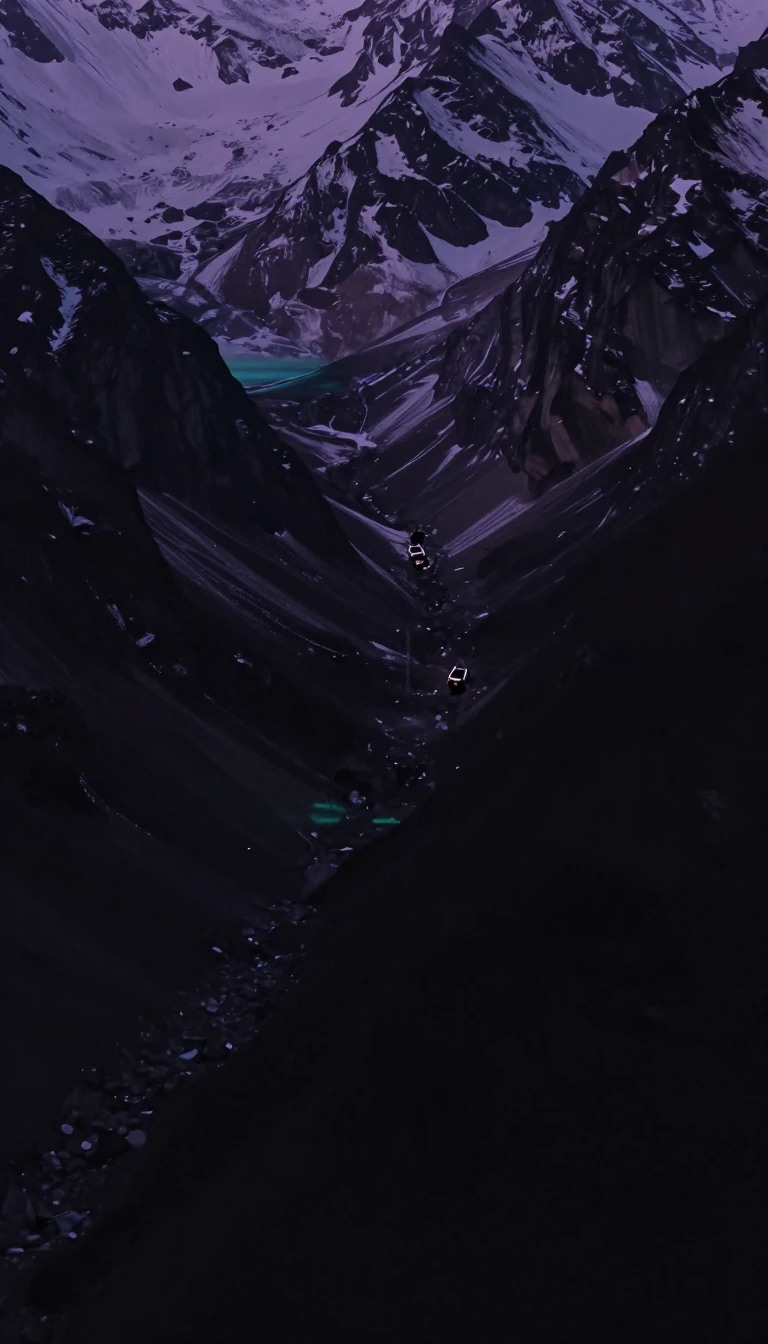
In short: For over a century, the North-West Frontier served as a volatile borderland between British India and Afghanistan. Home to fiercely independent Pashtun tribes, this mountainous region challenged empires with its tactical terrain and warrior culture, eventually evolving into the modern Pakistani province of Khyber Pakhtunkhwa.
The region’s history is defined by its strategic geography. Bisected by the Kabul River, the province encompasses the Hindu Kush mountains and the historic Khyber Pass, a vital route connecting the Indian subcontinent to Afghanistan. Ancient kingdoms like Gandhara once thrived here, but by the 19th century, the area became a geopolitical flashpoint. After the British East India Company annexed the Punjab following the Second Sikh War in 1849, they inherited a complex frontier zone. In 1901, the British formally established the North-West Frontier Province to manage this territory, which remained a buffer against potential Russian expansion from Central Asia.
The population is predominantly Pashtun, a people renowned for their independence, tribal pride, and martial skill. Under British rule, the region was split into 'settled areas' under direct administration and 'tribal areas' that remained largely autonomous. These tribes, such as the Afridi and Mahsud, lived by strict codes of honor and often supplemented their income by raiding lowland caravans or levying tolls on mountain passes. British forces frequently launched punitive expeditions to maintain order, yet they were so impressed by the tribesmen's tactical acumen—such as their use of narrow ravines for ambushes—that they actively recruited them into the Indian Army.
Following Pakistan's independence in 1947, the region continued as a distinct province. The tribal areas on the western fringe remained semi-autonomous until 2018, governed by their own customs rather than the national legal code. The province’s identity shifted significantly in the 1980s when it became a refuge for those fleeing the Soviet occupation of Afghanistan. In 2010, the province was officially renamed Khyber Pakhtunkhwa. Today, while the region faces modern challenges, it remains a testament to the enduring influence of its mountainous terrain and the resilient, independent spirit of its people.
Opens the Intellect+ feed with this card first. Swipe up for the next one.
Sources
- Summary by Intellect · source: www.britannica.com — Khyber Pakhtunkhwa | History, Weather, Colleges, & Map | Britannica
- Also: The North-West Frontier | National Army Museum
- Also: North-West Frontier Province
To cite this card, link to https://intellectplus.co.uk/app/culture-north-west-frontier-province.
How we source, check and correct cards: Editorial standards.
General information, not professional advice. Spotted an error? Flag the card or see corrections and complaints.
Intellect Plus is a visual educational discovery platform for exploring fascinating facts and ideas. Brain Food, Not Brain Rot. What is Intellect Plus?
Related
More in Peoples & civilisations · More in Cultures · Latest · A–Z · All topics
