How a ruined mariners' town became the world's most famous sunset viewing platform
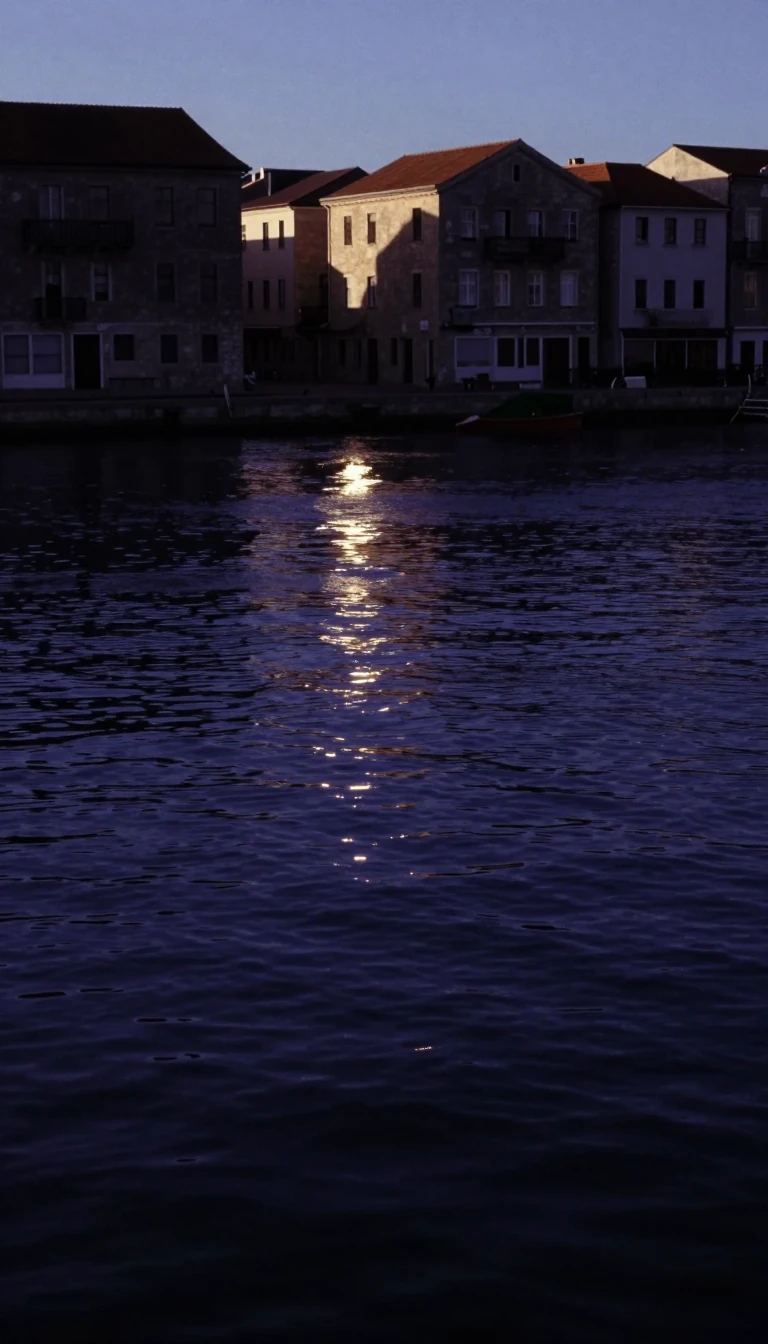
In short: Perched on the volcanic cliffs of Santorini, Oia was once a thriving merchant hub for captains trading between Russia and Alexandria. After a devastating earthquake in 1956 nearly emptied the village, it reinvented itself through architectural preservation, transforming simple cave dwellings into an iconic, white-washed destination for global travelers.
Oia, historically known as Apanomeria, occupies the northwestern edge of the Santorini caldera. Its architectural identity is defined by yposkafa spitia—simple cave houses carved directly into the volcanic rock face. These structures utilize air-filled pumice for natural insulation, maintaining warmth in winter and coolness in summer. The village's signature white-washed aesthetic serves a dual purpose: it facilitates rainwater collection and provides a striking visual contrast to the blue-domed churches. Some local lore suggests the white paint was an act of defiance during the 400-year Ottoman rule, allowing residents to mimic the colors of the Greek flag when they were forbidden from flying it.
The town reached its economic zenith in the late 19th and early 20th centuries, driven by a merchant fleet that dominated trade routes in the Eastern Mediterranean. Wealthy captains built neo-classical mansions on the highest points of the village, while the harbor at Armeni served as a bustling boatbuilding center. However, the rise of steam-powered shipping and the concentration of trade in Piraeus triggered a long decline. This economic downturn was compounded by wars, regional instability, and the 1956 earthquake, which measured 7.8 in magnitude and caused widespread destruction. By 1977, the population had dwindled to just 306 residents.
The modern resurgence of Oia began in 1976 under a Greek National Tourism Organisation program led by Aris Konstantinidis. This initiative focused on restoring traditional architectural ensembles, converting old seamen's quarters into guest houses and galleries. This preservation effort earned international recognition, including the Europa Nostra Prize in 1979. Today, the village is a major cultural touchstone, appearing in films like Summer Lovers and serving as the visual inspiration for levels in video games such as Sonic Unleashed and Overwatch. Despite its popularity, the community continues to manage the risks of its precarious location, working with geologists to monitor ground stability on the caldera slope.
Opens the Intellect+ feed with this card first. Swipe up for the next one.
Sources
- Summary by Intellect · source: Oia, Greece
To cite this card, link to https://intellectplus.co.uk/app/culture-oia-greece.
How we source, check and correct cards: Editorial standards.
General information, not professional advice. Spotted an error? Flag the card or see corrections and complaints.
Intellect Plus is a visual educational discovery platform for exploring fascinating facts and ideas. Brain Food, Not Brain Rot. What is Intellect Plus?
Related
More in Peoples & civilisations · More in Cultures · Latest · A–Z · All topics
