The Otomi people are central to Mexican history, yet they remain largely invisible today.
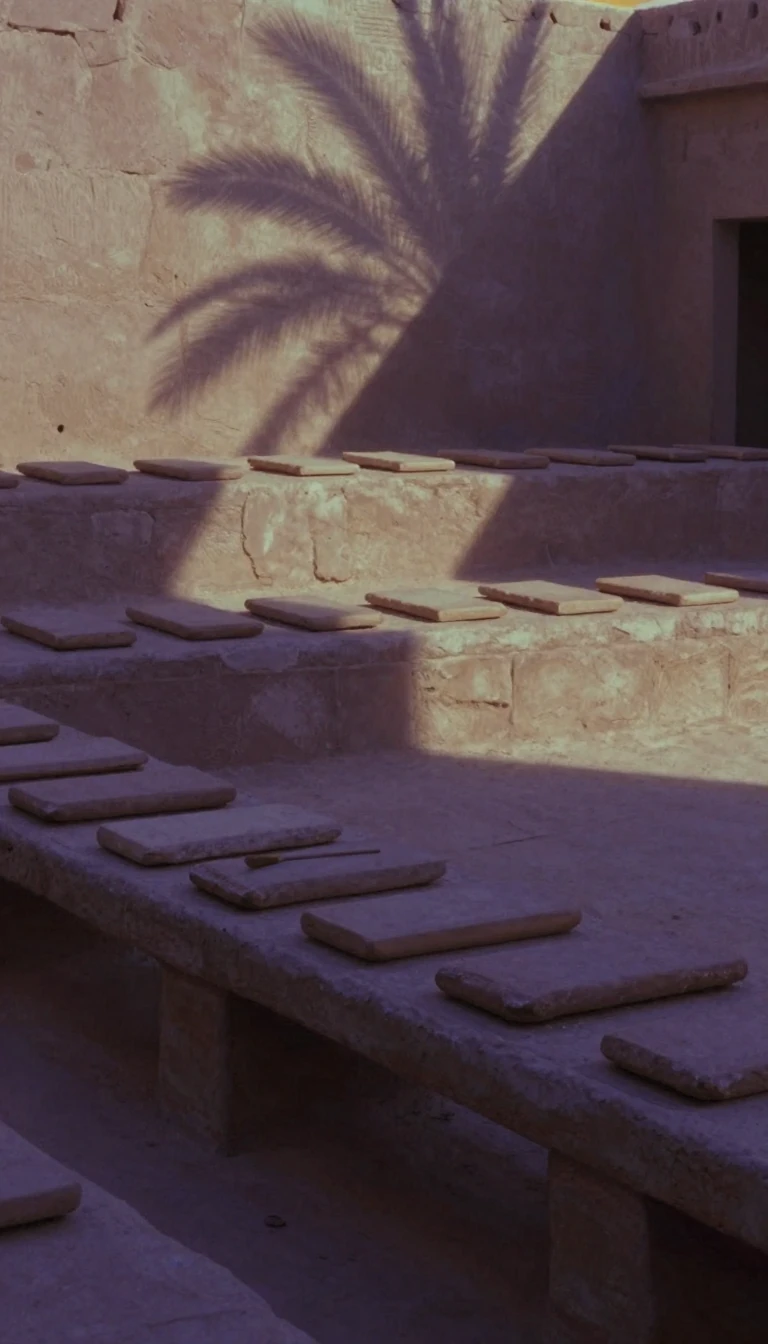
In short: Often overshadowed by the Aztecs and Mayans, the Otomi are an ancient Indigenous people of the Mexican highlands. Despite their deep roots in the region and complex cultural contributions, they have long been marginalized by history books and government policy, leaving their rich linguistic and social heritage largely misunderstood.
The Otomi are an Indigenous group inhabiting a fragmented territory across central Mexico, with major concentrations in Hidalgo, Mexico, and Querétaro. Their history in the region dates back to the onset of sedentism, potentially as early as the eighth millennium B.C.E. While they were present in major ancient cities like Teotihuacán, they are rarely credited as protagonists in pre-Hispanic narratives. This historical erasure is partly due to the ethnic complexity of the region, which makes it difficult to distinguish Otomi contributions from those of their neighbors, such as the Nahua peoples.
Linguistically, the Otomi are part of the Oto-Manguean family, one of the most diverse in Mesoamerica. The term 'Otomi' itself is not an endonym; it is a Nahuatl word meaning 'one who walks with arrows' or 'bird arrowman.' Because the language is a complex continuum of mutually unintelligible varieties, the people use diverse self-designations like hñähñu, ñätho, ñäñho, and ñ'yühü. Today, the language faces significant pressure; in 2015, while the ethnic group totaled 667,038 people, only about half were speakers of the language. This decline is largely attributed to subtractive Castilianization processes and urbanization.
Historically, the Otomi were skilled blacksmiths and farmers who relied on the maguey plant for fiber, nutrition, and the fermented drink pulque. Their relationship with the Spanish conquest was complex; while some communities were decimated or forced into labor, others, such as the Ixtenco Otomi, formed strategic alliances with Hernán Cortés. Despite this, they suffered centuries of land dispossession and social neglect. While the Mexican government now officially recognizes the nation as pluricultural, critics argue that little substantive support has reached the Otomi, who continue to face economic exploitation and cultural marginalization in modern society.
Opens the Intellect+ feed with this card first. Swipe up for the next one.
Sources
- Summary by Intellect · source: Otomi
To cite this card, link to https://intellectplus.co.uk/app/culture-otomi.
How we source, check and correct cards: Editorial standards.
General information, not professional advice. Spotted an error? Flag the card or see corrections and complaints.
Intellect Plus is a visual educational discovery platform for exploring fascinating facts and ideas. Brain Food, Not Brain Rot. What is Intellect Plus?
Related
More in Ethnology and anthropology · More in Cultures · Latest · A–Z · All topics
