The Phrygian language: an ancient Indo-European puzzle from the heart of Anatolia
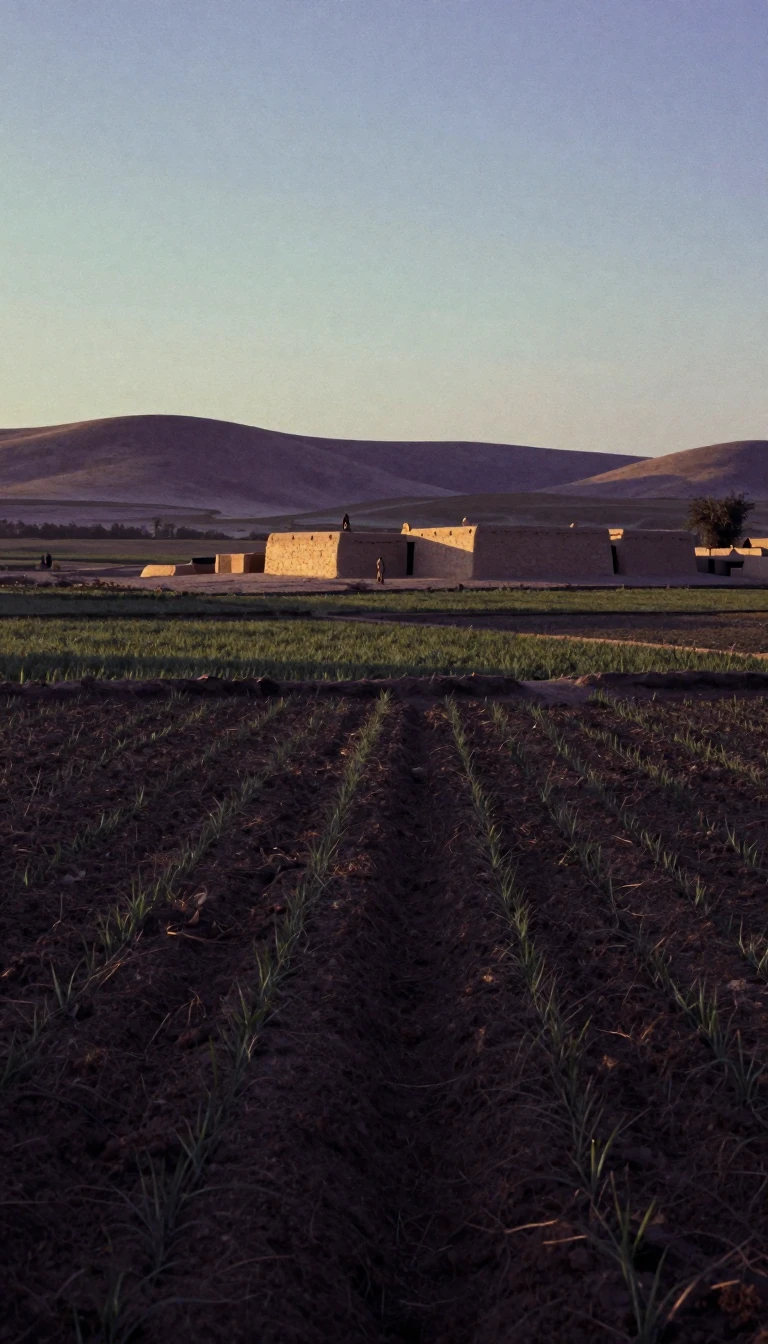
In short: After the Hittite empire collapsed, the Phrygians emerged as the dominant force in central Anatolia. Though they left behind hundreds of inscriptions, their language remains a linguistic enigma, sitting somewhere between Greek, Thracian, and Illyrian. Discover why this ancient tongue continues to challenge our understanding of Indo-European history.
The Phrygian language represents a distinct chapter in the history of ancient Anatolia. While the region was home to the well-documented Anatolian group of Indo-European languages—such as Hittite, Luwian, and Lydian—Phrygian arrived later, entering recorded history only in the 8th century BCE. Unlike its predecessors, which had been present since the 3rd millennium BCE, Phrygian is not classified within the Anatolian group. Instead, scholars view it as a separate branch, potentially linked to Thracian, Illyrian, or Greek.
Textual evidence for the language is divided into two primary phases. The Old Phrygian period, spanning from the 8th to the 3rd centuries BCE, features inscriptions written in an alphabet that shares roots with Greek but maintains its own unique characteristics. These texts are the primary source for our understanding of the language, though the lack of extensive vocabulary and the fragmentary nature of the surviving inscriptions make definitive classification difficult. The language eventually faded as Greek and later Latin became the dominant tongues of the ruling classes in Anatolia.
The mystery of Phrygian is compounded by the complex cultural landscape of the time. While the Hittites relied on a Hattian substratum for religious and political concepts, the Phrygians operated in a region increasingly influenced by Greek settlers. Because of the limited data, the exact relationship between Phrygian and other Indo-European languages remains a subject of active debate. Some researchers highlight its similarities to Greek, while others point to potential connections with Armenian or Albanian. Despite these uncertainties, the study of Phrygian inscriptions continues to provide a vital window into the migrations and cultural shifts that defined the ancient world.
Opens the Intellect+ feed with this card first. Swipe up for the next one.
Sources
- Summary by Intellect · source: Phrygian language | Anatolian, Indo-European, Ancient | Britannica
- Also: Phrygian language
To cite this card, link to https://intellectplus.co.uk/app/culture-phrygian-language.
How we source, check and correct cards: Editorial standards.
General information, not professional advice. Spotted an error? Flag the card or see corrections and complaints.
Intellect Plus is a visual educational discovery platform for exploring fascinating facts and ideas. Brain Food, Not Brain Rot. What is Intellect Plus?
Related
More in Peoples & civilisations · More in Cultures · Latest · A–Z · All topics
