How government welfare, not just economic growth, reshaped India's poverty landscape
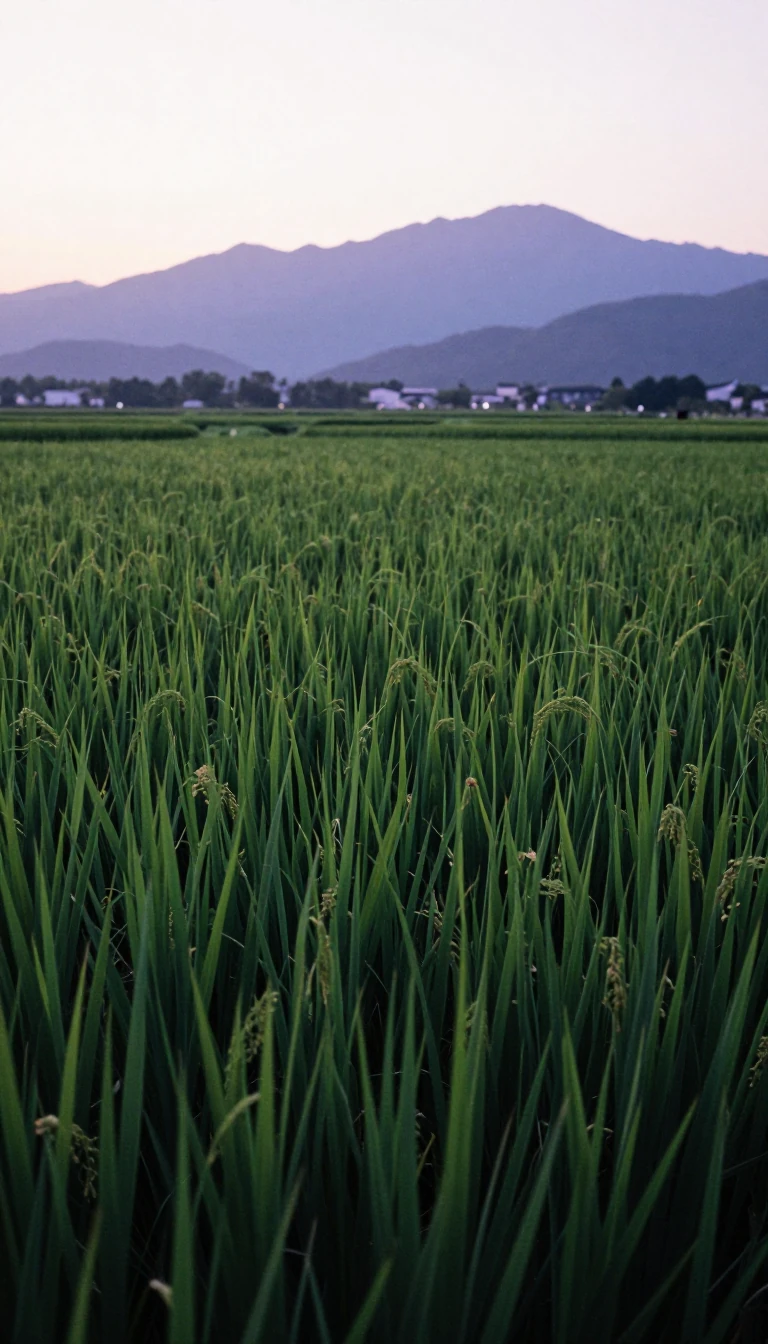
In short: While India's economic growth has been rapid since 1991, a surprising shift is occurring. Recent data suggests that targeted government welfare programs—specifically the direct transfer of food and money—may be more responsible for the sharp decline in extreme poverty than traditional economic expansion alone.
The scale of change in India is profound. According to World Bank reports, extreme poverty fell from 16.2% in 2011-12 to just 2.3% in 2022-23. This decline was mirrored in rural areas, which dropped from 18.4% to 2.8%, and urban areas, which fell from 10.7% to 1.1%. This period saw 378 million people lifted out of poverty and 171 million moved out of extreme poverty. However, the mechanism behind this is a subject of intense study; experts note that rather than just increasing economic opportunities, the implementation of welfare programs—such as improving access to services and transferring food and money to low-income populations—has been a primary driver.
Defining 'poverty' remains a point of significant academic and political contention. In India, the official poverty line has been calculated using various methodologies, such as the Tendulkar Committee's approach, which focuses on consumption of essential goods rather than annual income. These thresholds vary by region and even by the type of area; for instance, some benchmarks set the rural poverty line at ₹26 per day and the urban line at approximately ₹32. Internationally, the World Bank uses a purchasing power parity (PPP) definition of $1.25 per day, a metric that accounts for local costs of living to allow for fair global comparisons.
The historical context of Indian poverty is deeply rooted in the colonial era. Under the British Raj, policies encouraged the conversion of food-producing land into poppy and opium plantations for export, particularly in the Ganges plains. This shift, which saw over 500,000 acres of fertile land devoted to poppy by 1900, contributed to de-industrialization and increased vulnerability to famine. While India has since seen massive reductions in extreme poverty, the economic legacy of the 19th and early 20th centuries—characterized by high taxation and landlessness—remains a critical part of the nation's economic narrative.
Opens the Intellect+ feed with this card first. Swipe up for the next one.
Sources
- Summary by Intellect · source: Poverty in India
To cite this card, link to https://intellectplus.co.uk/app/culture-poverty-in-india.
How we source, check and correct cards: Editorial standards.
General information, not professional advice. Spotted an error? Flag the card or see corrections and complaints.
Intellect Plus is a visual educational discovery platform for exploring fascinating facts and ideas. Brain Food, Not Brain Rot. What is Intellect Plus?
Related
More in Festivals & celebrations · More in Cultures · Latest · A–Z · All topics
