Why France remains a deeply Catholic nation despite its modern secular identity
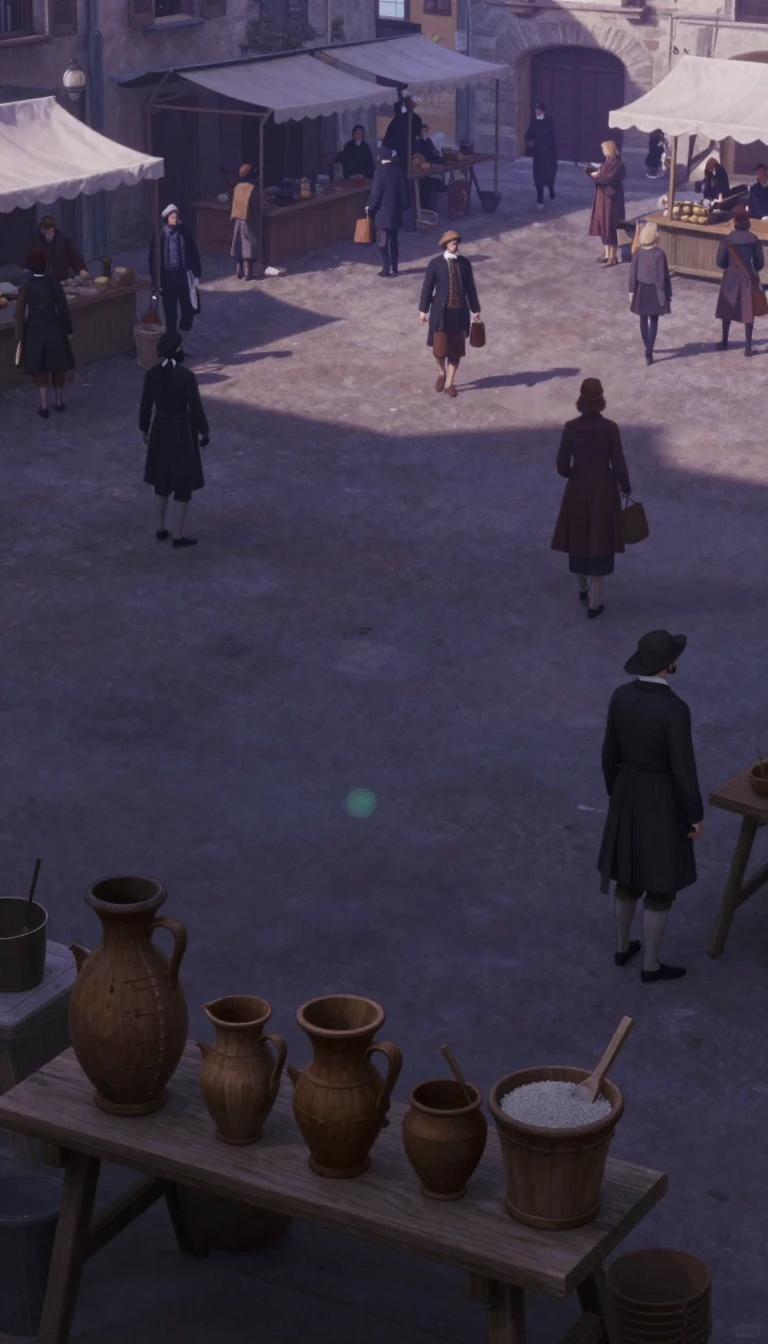
In short: While France is famous for its strict separation of church and state, the Roman Catholic Church still claims about three-fifths of the population. However, regular participation in worship is rare, revealing a complex divide between cultural identity and active religious practice across the country's varied rural and urban landscapes.
France maintains a unique relationship with Catholicism, historically known as the eldest daughter of the Church. Despite this heritage, the modern reality is defined by a significant gap between nominal affiliation and active engagement. While a majority of the population identifies as Catholic, regular attendance at services is low, with practice most visible among the middle classes. Geographic patterns also play a role; practicing Catholics are more concentrated in specific regions, including Brittany, the Vendée, Flanders, the Basque Country, and areas south of the Massif Central.
The institutional landscape shifted dramatically in 1905 when the state formally ended its ties with the Catholic Church, cementing the principle of secularism. This move was rooted in a long history of anticlericalism and a commitment to keeping public life free from religious influence. Today, the church faces practical challenges, such as a decline in the recruitment of new priests, even as it maintains a progressive and ecumenical outlook. These internal shifts occur alongside a broader demographic change, as immigration from North Africa, Algeria, and Morocco introduces new religious influences into the French social fabric.
Beyond the religious sphere, the French landscape itself reflects centuries of human adaptation. The traditional contrast between enclosed bocage fields and open-field systems has been reshaped by postwar consolidation efforts, which replaced small, irregular plots with larger, mechanized blocks. This transformation, coupled with the migration of rural populations toward urban centers, has fundamentally altered the character of French villages. As abandoned farms are repurposed for retirement or commuting, the physical environment continues to evolve, mirroring the country's ongoing transition from its agrarian roots toward a modern, urban-centric society.
Opens the Intellect+ feed with this card first. Swipe up for the next one.
Sources
- Summary by Intellect · source: France - Religion, Catholicism, Secularism | Britannica
- Also: Religion in France
To cite this card, link to https://intellectplus.co.uk/app/culture-religion-in-france.
How we source, check and correct cards: Editorial standards.
General information, not professional advice. Spotted an error? Flag the card or see corrections and complaints.
Intellect Plus is a visual educational discovery platform for exploring fascinating facts and ideas. Brain Food, Not Brain Rot. What is Intellect Plus?
Related
More in UK & Irish culture · More in Cultures · Latest · A–Z · All topics
