How Talking Heads used human sampling and African polyrhythms to redefine 1980s rock music
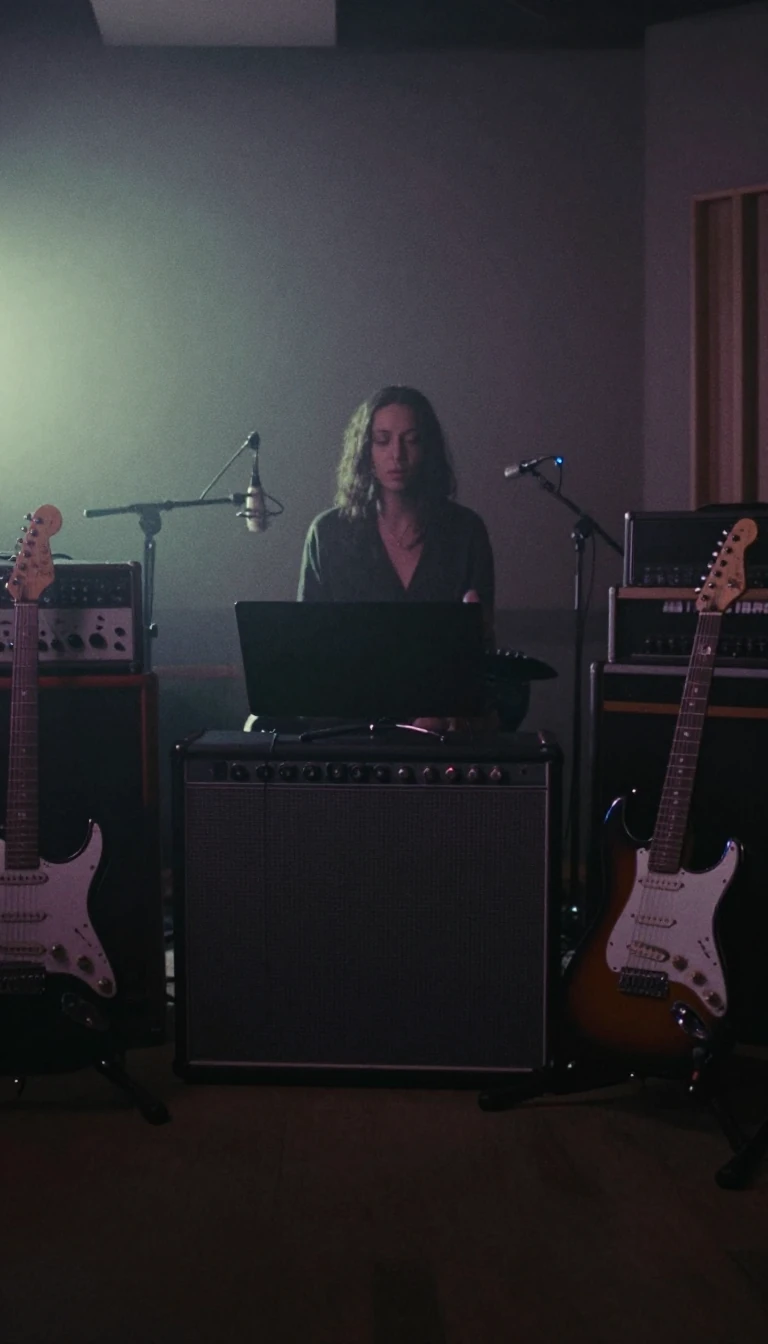
In short: Released in 1980, Remain in Light transformed Talking Heads from a quartet into a global, experimental force. By abandoning traditional songwriting for repetitive, communal grooves and stream-of-consciousness lyrics, the band created a masterpiece that defied genre, influenced generations of artists, and remains a landmark of sonic innovation and artistic tension.
Following the 1979 release of Fear of Music, Talking Heads sought to dismantle the perception of the band as merely a vehicle for frontman David Byrne. During a Caribbean vacation, drummer Chris Frantz and bassist Tina Weymouth became fascinated by Haitian percussion, eventually purchasing an apartment near Compass Point Studios in the Bahamas. There, the band—joined by producer Brian Eno—began experimenting with communal African musical structures, specifically drawing inspiration from Fela Kuti’s 1973 album Afrodisiac. They moved away from Byrne’s singular songwriting, opting instead for extended instrumental jams built on repetitive, minimalist loops.
The recording process was highly unconventional for the era. Because computer technology was then limited, the band acted as what Byrne called "human samplers," learning to play isolated, repetitive parts to create complex polyrhythms. The sessions were marked by intense collaboration and friction; engineer Rhett Davies left after disagreements with Eno, and the band later faced a bitter dispute over songwriting credits, which were initially attributed only to Byrne and Eno. To complete the album, the group recruited guitarist Adrian Belew, whose textural contributions and synthesizer work became central to the record’s "alien" sound.
The album’s visual identity was equally pioneering. Weymouth and Frantz collaborated with MIT researchers to create one of the first computer-designed record jackets, featuring doctored portraits of the band members with faces obscured by red blocks. This imagery, intended to suggest identity disturbance, contrasted sharply with the title. Upon its release on October 8, 1980, the album was hailed as a cultural event. It reached No. 19 on the U.S. Billboard 200 and No. 21 on the UK Albums Chart, eventually selling over one million copies worldwide and earning preservation in the National Recording Registry in 2017.
The legacy of Remain in Light is profound, with artists like Radiohead citing it as a primary influence on their own evolution. Critics have long praised its ability to merge disparate genres—from funk and punk to worldbeat—into a cohesive, visionary whole. While the band members themselves later expressed frustration over the credit disputes and the academic framing of their work, the album stands as a definitive, "magical" synthesis of instinct, spontaneity, and rhythmic innovation.
Opens the Intellect+ feed with this card first. Swipe up for the next one.
Sources
- Summary by Intellect · source: Remain in Light
To cite this card, link to https://intellectplus.co.uk/app/culture-remain-in-light.
How we source, check and correct cards: Editorial standards.
General information, not professional advice. Spotted an error? Flag the card or see corrections and complaints.
Intellect Plus is a visual educational discovery platform for exploring fascinating facts and ideas. Brain Food, Not Brain Rot. What is Intellect Plus?
Related
More in UK & Irish culture · More in Cultures · Latest · A–Z · All topics
