Humanity transformed the global landscape much earlier than previously thought
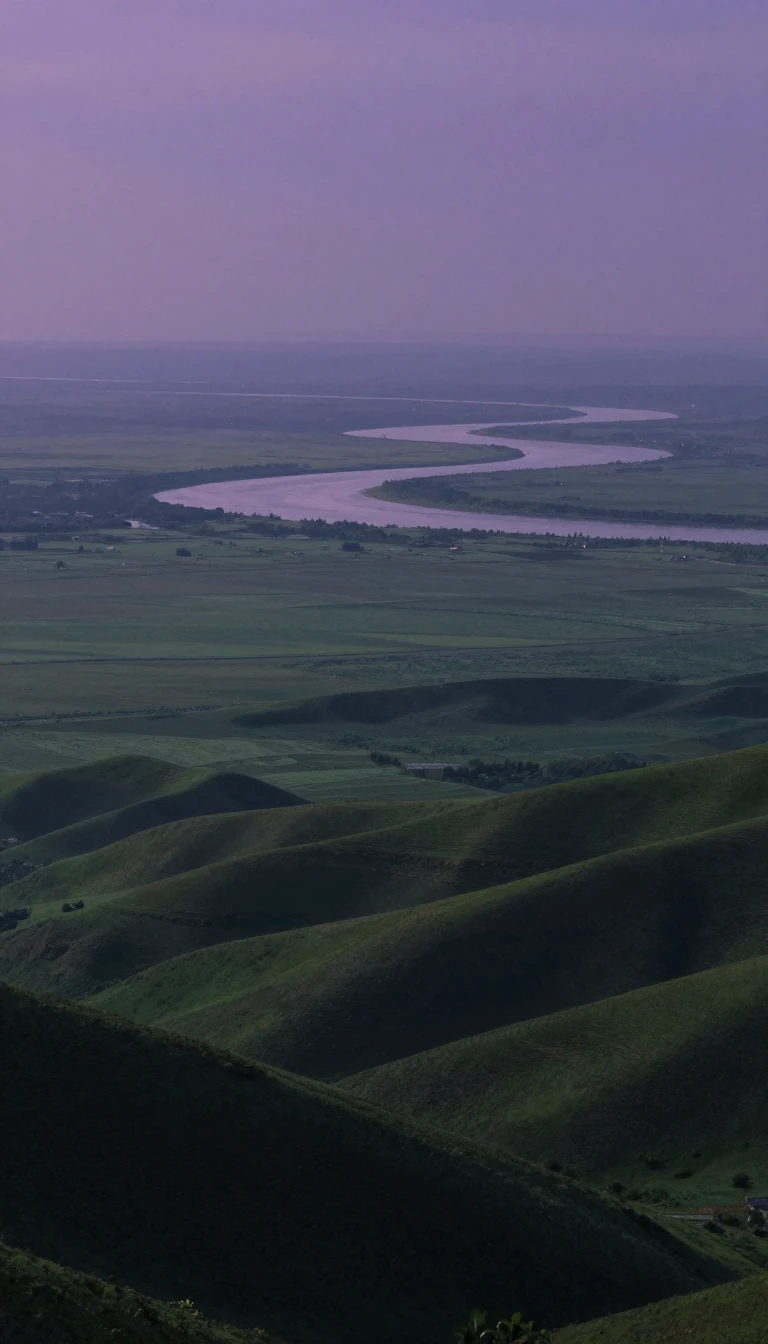
In short: A global archaeological assessment found that humans significantly altered the Earth's surface by 3,000 years ago. While many scientists view large-scale human impact on the environment as a recent development, this study shows that various land-use practices by early societies had already reshaped much of the planet.
By synthesizing data from over 250 archaeologists, the team mapped global land use from 10,000 years before the present to 1850 CE. The results challenge the idea that human-driven environmental change is a modern phenomenon.
The study highlights significant gaps in archaeological data for certain periods and regions. However, it provides a deeper historical context for how early societies influenced global ecosystems.
Why it matters: Humanity's footprint on the planet is thousands of years older than many people realize.
Opens the Intellect+ feed with this card first. Swipe up for the next one.
Sources
- Source: Research: Stephens et al. (2019). Archaeological assessment reveals Earth’s early transformation through land use. Science. · public-domain
To cite this card, link to https://intellectplus.co.uk/app/culture-research-humanity-transformed-the-global-landscape-much-earlier-than.
How we source, check and correct cards: Editorial standards.
General information, not professional advice. Spotted an error? Flag the card or see corrections and complaints.
Intellect Plus is a visual educational discovery platform for exploring fascinating facts and ideas. Brain Food, Not Brain Rot. What is Intellect Plus?
Related
More in Cultures · Latest · A–Z · All topics
