Landscape features guided early human migration across the continent of Sahul
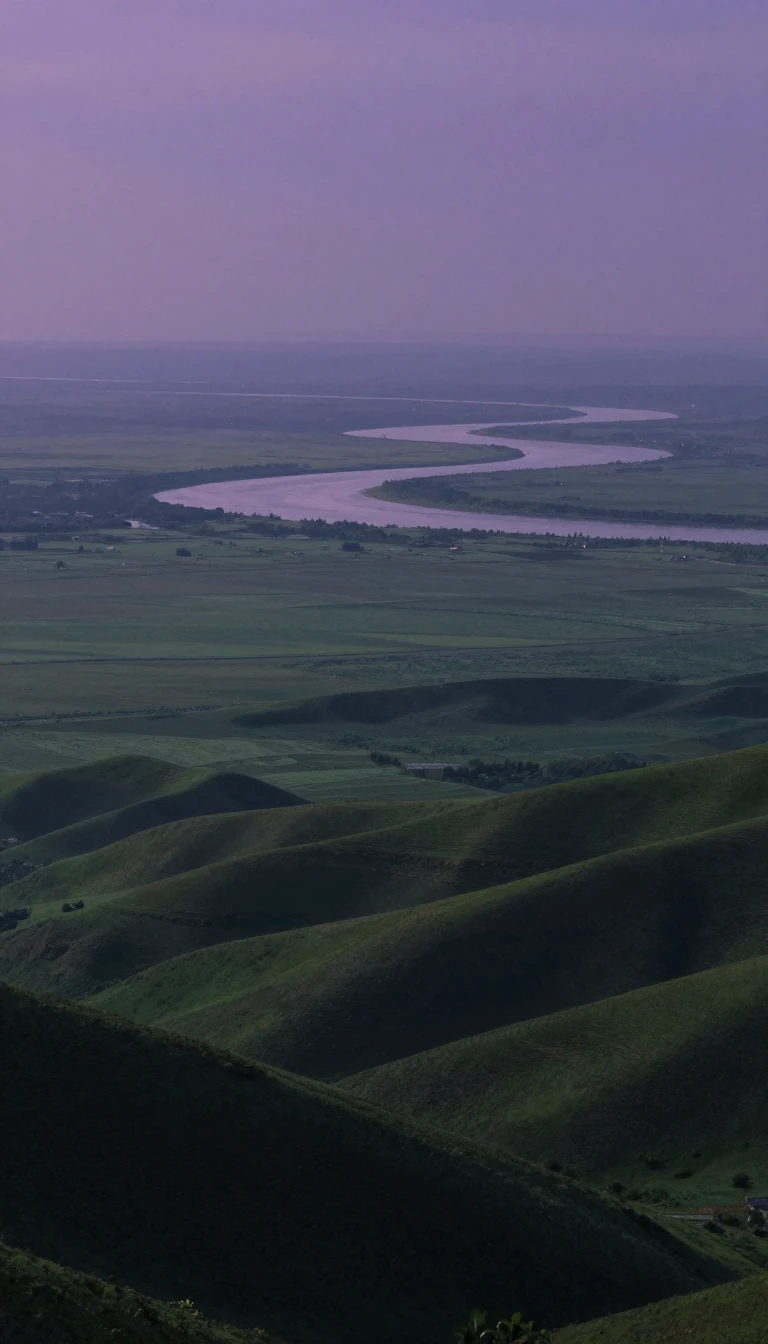
In short: Researchers using digital landscape modelling and archaeological data found that the first humans to inhabit Sahul likely followed specific migratory 'superhighways.' These routes were determined by physiological needs, the availability of freshwater, and an attraction to visually prominent landscape features, allowing populations to move rapidly through diverse environments.
By combining high-resolution digital elevation models with least-cost travel modelling, researchers generated over 125 billion potential pathways to identify the most efficient routes. The study suggests that early ancestors could navigate unfamiliar terrains by following fundamental environmental rules.
While these models provide a high-resolution view of potential movement, the findings are based on computational simulations of landscape traversability rather than direct observation of individual ancient journeys.
Why it matters: Early human migration was likely guided by predictable environmental rules that maximized survival.
Opens the Intellect+ feed with this card first. Swipe up for the next one.
Sources
- Source: Research: Crabtree et al. (2021). Landscape rules predict optimal superhighways for the first peopling of Sahul. Nature Human Behaviour. · cc-by
To cite this card, link to https://intellectplus.co.uk/app/culture-research-landscape-features-guided-early-human-migration-across-the-c.
How we source, check and correct cards: Editorial standards.
General information, not professional advice. Spotted an error? Flag the card or see corrections and complaints.
Intellect Plus is a visual educational discovery platform for exploring fascinating facts and ideas. Brain Food, Not Brain Rot. What is Intellect Plus?
Related
More in Cultures · Latest · A–Z · All topics
