Human niche construction has fundamentally reshaped global biodiversity over millennia
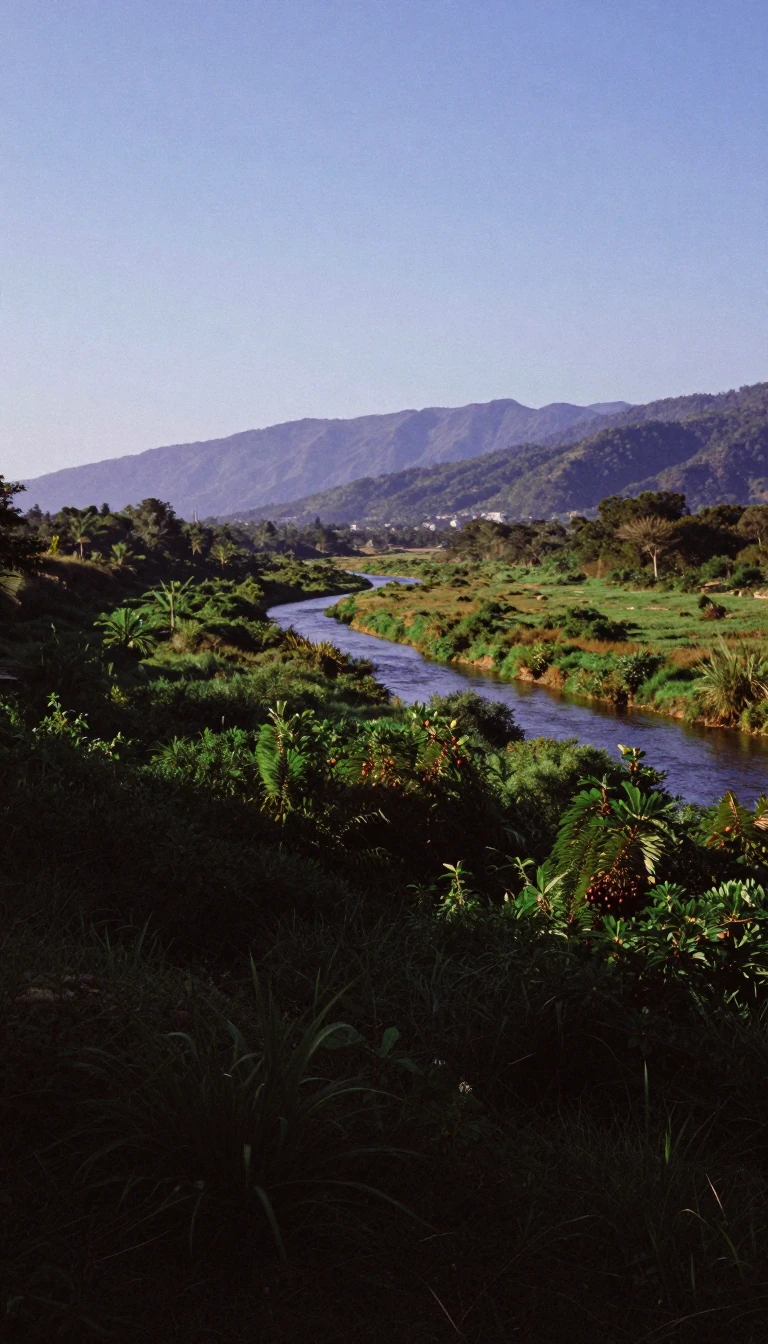
In short: Researchers who analyzed archaeological and paleoecological data found that human activities have dramatically altered the global biosphere. By the Late Pleistocene, humans began engaging in behaviors that shifted the geographic range of countless species across nearly all taxonomic groups, leading to widespread extinctions and new community structures.
The study highlights four major eras of human impact: global expansion in the Late Pleistocene, the spread of agriculture during the Neolithic, island colonization, and the rise of early urban networks. These activities created novel ecosystems and transformed biodiversity by changing species composition and diversity.
The findings rely on a synthesis of diverse datasets, including ancient DNA, stable isotopes, and microfossils, alongside new computational methods. However, because the paper synthesizes existing records rather than conducting a single new experiment, it serves as a broad overview of cumulative evidence rather than a primary data study.
Why it matters: Humanity's role as an ecosystem engineer is a deep-seated evolutionary trait that has fundamentally reorganized life on Earth.
Opens the Intellect+ feed with this card first. Swipe up for the next one.
Sources
- Summary by Intellect · source: Research: Boivin et al. (2016). Ecological consequences of human niche construction: Examining long-term anthropogenic shaping of global species distributions. Proceedings of the National Academy of Sciences.
To cite this card, link to https://intellectplus.co.uk/app/nature-research-human-niche-construction-has-fundamentally-reshaped-global-b.
How we source, check and correct cards: Editorial standards.
General information, not professional advice. Spotted an error? Flag the card or see corrections and complaints.
Intellect Plus is a visual educational discovery platform for exploring fascinating facts and ideas. Brain Food, Not Brain Rot. What is Intellect Plus?
Related
More in Nature · Latest · A–Z · All topics
