Early humans likely sought out diverse landscapes to aid their survival and migration
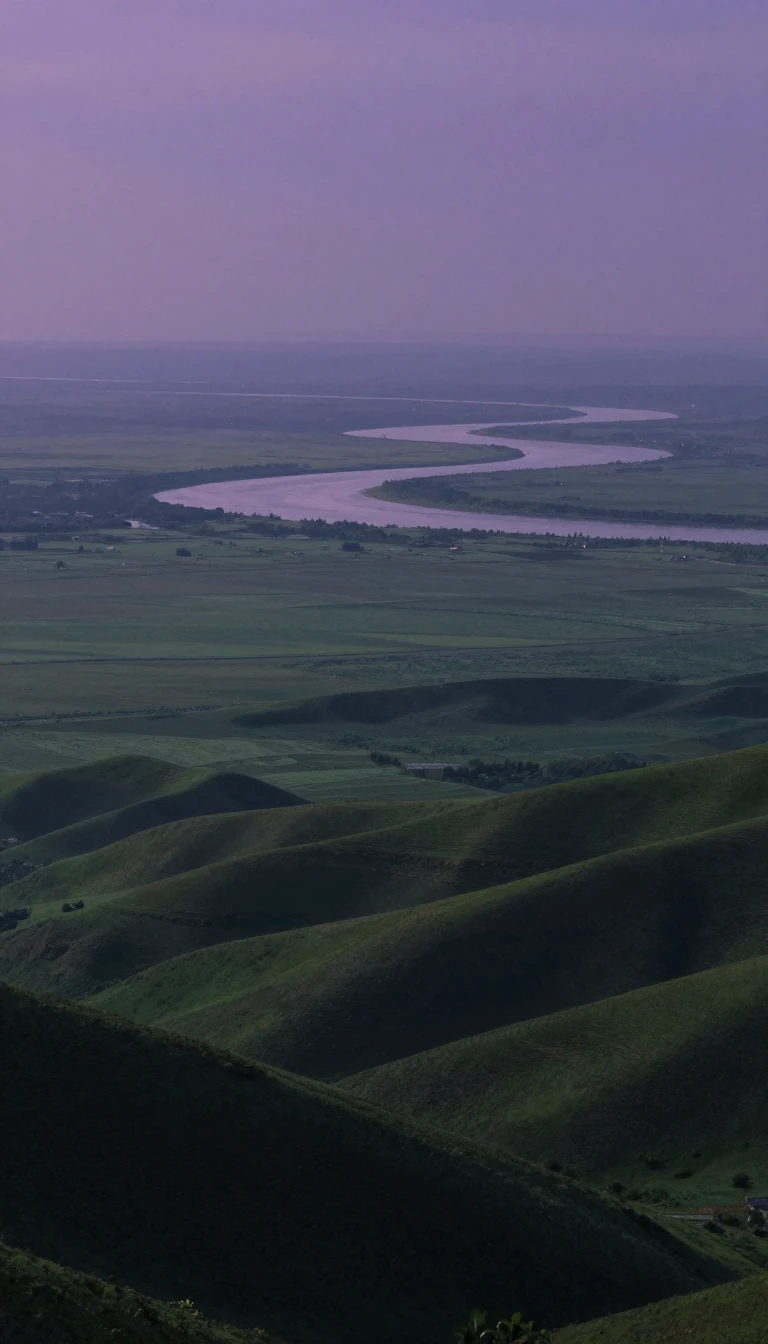
In short: Researchers using Earth system models and fossil data found that early hominins were not restricted to single environments. While early African ancestors primarily inhabited open grasslands and dry shrublands, those migrating into Eurasia eventually expanded their range to include a much wider variety of ecosystems.
By combining a 3-million-year biome simulation with archaeological records, the study suggests that our ancestors actively chose habitats with high environmental variety. This preference for landscape mosaics may have provided the flexibility needed for successful migration.
The study relies on modeling and existing fossil databases to reconstruct ancient environments, which means findings are based on simulations of past ecosystems.
Why it matters: Our ancestors' ability to thrive in diverse, mosaic landscapes may have been key to their global expansion.
Opens the Intellect+ feed with this card first. Swipe up for the next one.
Sources
- Summary by Intellect · source: Research: Zeller et al. (2023). Human adaptation to diverse biomes over the past 3 million years. Science.
To cite this card, link to https://intellectplus.co.uk/app/culture-research-early-humans-likely-sought-out-diverse-landscapes-to-aid-the.
How we source, check and correct cards: Editorial standards.
General information, not professional advice. Spotted an error? Flag the card or see corrections and complaints.
Intellect Plus is a visual educational discovery platform for exploring fascinating facts and ideas. Brain Food, Not Brain Rot. What is Intellect Plus?
Related
More in Ancient peoples · More in Cultures · Latest · A–Z · All topics
