New dating methods suggest modern humans in Africa are older than previously thought
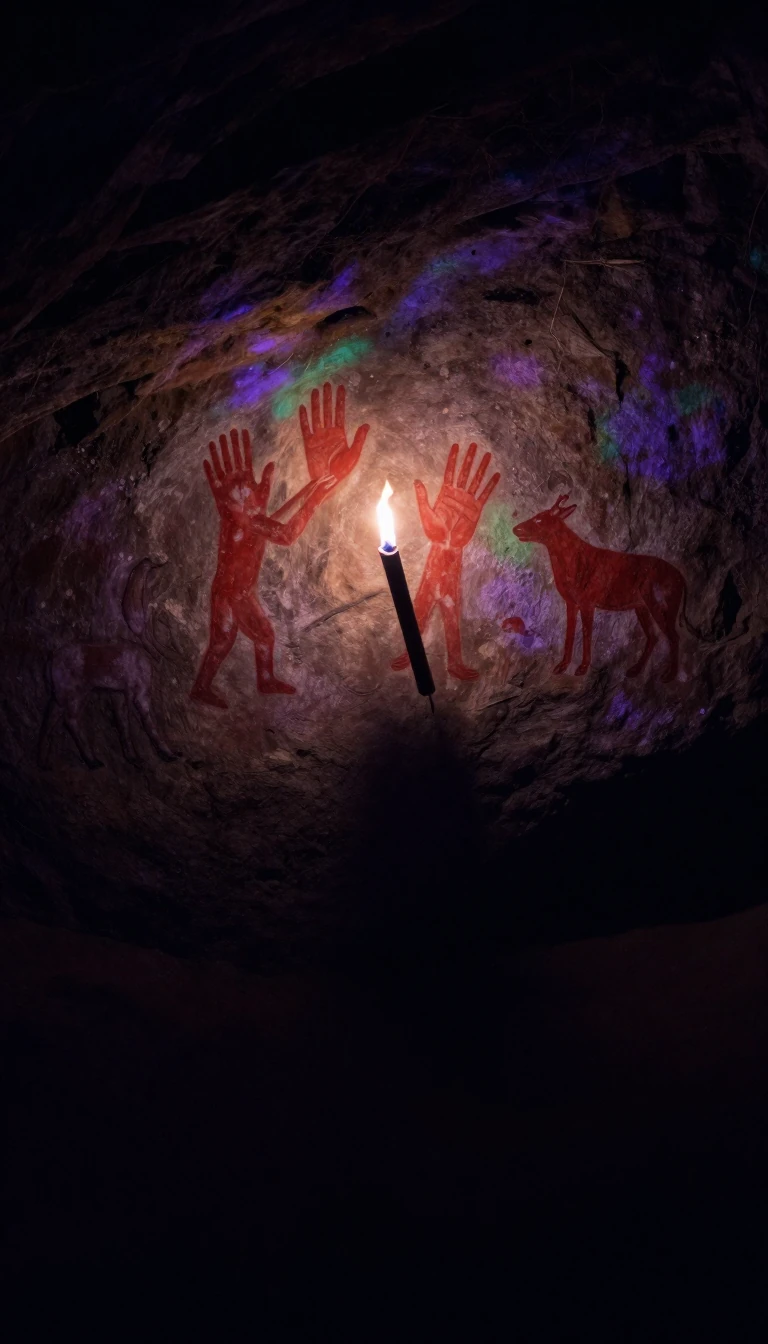
In short: Researchers who performed geochemical analyses on fossils in eastern Africa found that the oldest known modern human remains may be significantly older than earlier estimates. By linking volcanic deposits to specific fossil sites, the team established a new minimum age for the Omo-Kibish fossils, pushing the timeline of our species' presence in the region further back.
The study used geochemical links between the Kamoya’s Hominid Site Tuff and a major volcanic eruption to provide a more accurate timeline. While the previous estimates placed these fossils at around 197 thousand years old, the new data suggests they are older. However, the study's findings rely on specific stratigraphic correlations that can be complex to verify across different regions.
Why it matters: Refining the geological timeline helps us better understand how long our species has existed in Africa.
Opens the Intellect+ feed with this card first. Swipe up for the next one.
Sources
- Source: Research: Vidal et al. (2022). Age of the oldest known Homo sapiens from eastern Africa. Nature. · cc-by
To cite this card, link to https://intellectplus.co.uk/app/culture-research-new-dating-methods-suggest-modern-humans-in-africa-are-older.
How we source, check and correct cards: Editorial standards.
General information, not professional advice. Spotted an error? Flag the card or see corrections and complaints.
Intellect Plus is a visual educational discovery platform for exploring fascinating facts and ideas. Brain Food, Not Brain Rot. What is Intellect Plus?
Related
More in Ancient peoples · More in Cultures · Latest · A–Z · All topics
