New fossil evidence reveals a previously unknown group of early humans in Israel
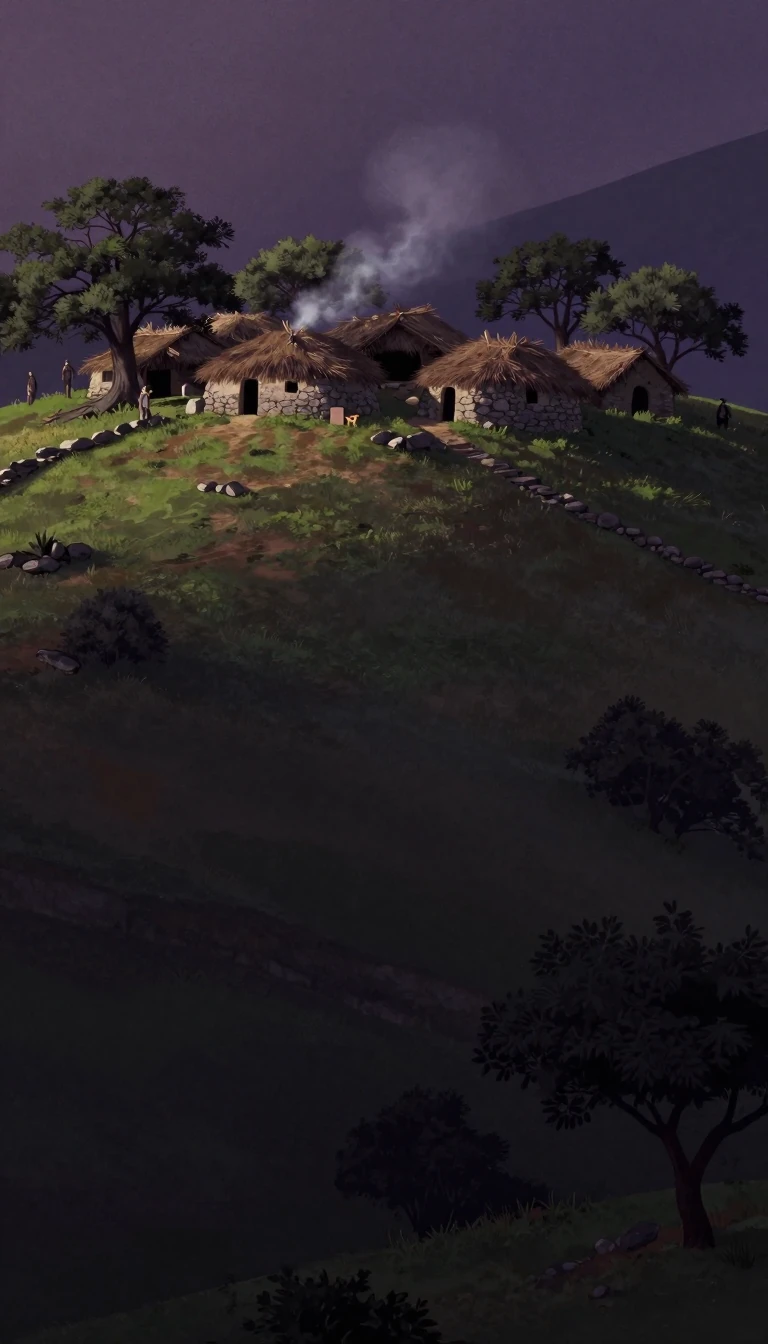
In short: Researchers analyzing fossils from a site in Israel dated to between 120,000 and 140,000 years ago have identified a previously unknown population of archaic Homo. This group, known as Nesher Ramla Homo, lived during the Middle Pleistocene and demonstrated sophisticated behaviors, including the use of fire and advanced stone tool technology.
The study used qualitative and quantitative analyses of fossilized remains and associated archaeological data to characterize this hominin group. The findings suggest these early humans were skilled hunters who cooked meat and used wood for fuel. This discovery is significant because it provides evidence of cultural interactions and potential interbreeding between these archaic humans and Homo sapiens.
Why it matters: The discovery of Nesher Ramla Homo suggests a more complex history of human interaction and technological sharing in the Middle Pleistocene.
Opens the Intellect+ feed with this card first. Swipe up for the next one.
Sources
- Source: Research: Hershkovitz et al. (2021). A Middle Pleistocene Homo from Nesher Ramla, Israel. Science. · cc-by-nc-sa
To cite this card, link to https://intellectplus.co.uk/app/culture-research-new-fossil-evidence-reveals-a-previously-unknown-group-of-ea.
How we source, check and correct cards: Editorial standards.
General information, not professional advice. Spotted an error? Flag the card or see corrections and complaints.
Intellect Plus is a visual educational discovery platform for exploring fascinating facts and ideas. Brain Food, Not Brain Rot. What is Intellect Plus?
Related
More in Ancient peoples · More in Cultures · Latest · A–Z · All topics
