Rhythm guitar is the engine room of music, providing both pulse and harmonic depth.
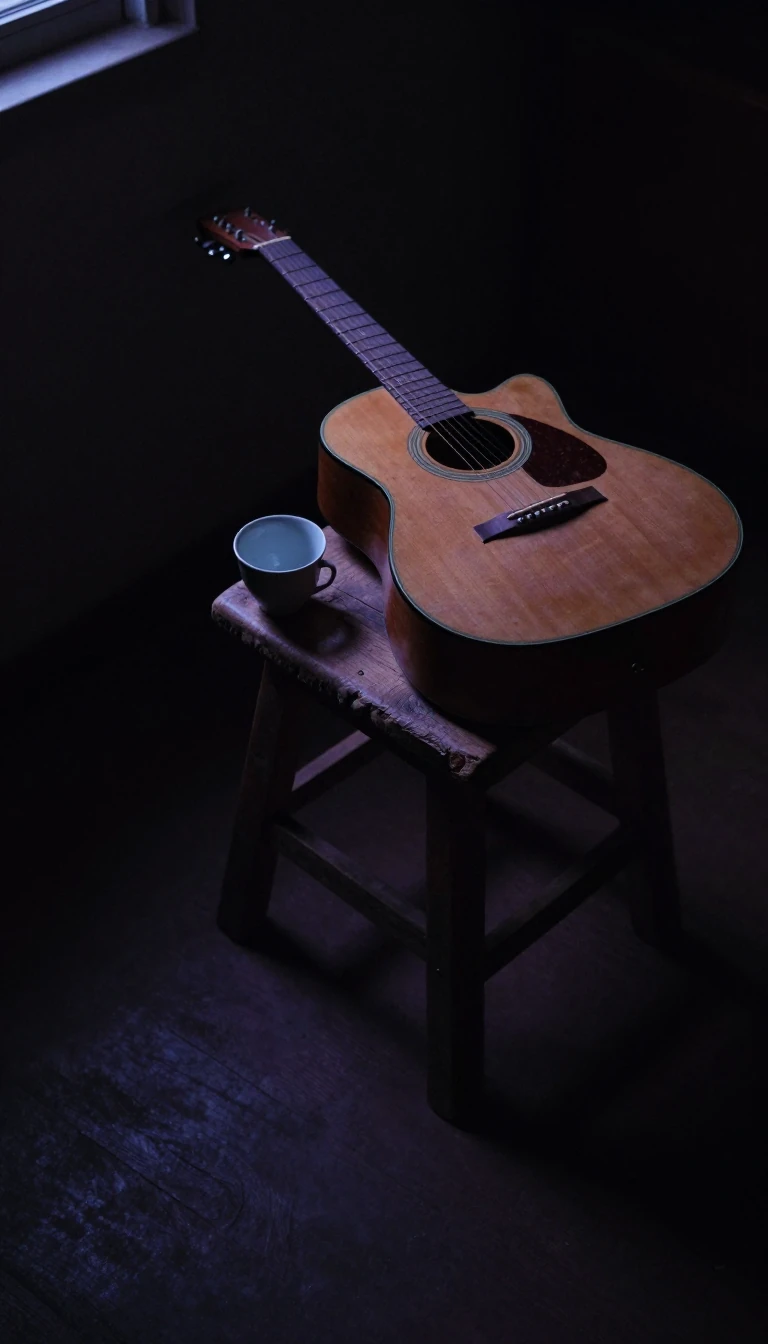
In short: While lead guitarists grab the spotlight with soaring melodies, the rhythm guitarist acts as the structural foundation of a band. By balancing complex chord progressions with percussive techniques, they define the groove and harmonic landscape of everything from jazz standards to heavy metal riffs, often blending into the overall sound.
At its core, rhythm guitar serves two primary functions: establishing the rhythmic pulse alongside the bass and drums, and providing the harmonic framework through chord progressions. While a solo performer might carry the entire rhythmic and harmonic weight of a song, in larger ensembles, the role becomes more specialized. In genres like rock and blues, this often involves playing major and minor triads or four-note chords, such as the dominant seventh, to support the lead instrument's melody.
The approach varies wildly across genres. In heavy metal, guitarists frequently use power chords—root and fifth notes played with distortion—or complex, palm-muted riffs to create a thick, aggressive sound. Conversely, jazz guitarists prioritize harmonic sophistication, often omitting the root note of a chord to emphasize the third and seventh, while employing techniques like comping to intermingle chords with the melody. Some styles, like reggae, treat the guitar almost as a percussion instrument, using the 'skank' technique to accent off-beats.
Innovation in rhythm guitar often comes from manipulating sound and interaction. Players may use arpeggios to create shimmering textures or employ electronic effects like delay and reverb to produce 'pads'—sustained, mellow backdrops that fill the sonic space. In bands with multiple guitarists, roles are fluid; players may trade off between rhythm and lead, or even double up to create a wall of sound. Whether through the percussive 'la pompe' strumming of gypsy jazz or the static, driving vamps of funk, the rhythm guitarist remains the essential, if sometimes understated, architect of musical cohesion.
The distinction between rhythm and lead is not always rigid. Pioneers like Jimi Hendrix famously blurred these lines by combining full chords with solo licks and double stops. Today, technology like looping pedals allows a single guitarist to simulate the presence of two, further evolving the instrument's capacity to serve as both the backbone and the voice of a composition.
Opens the Intellect+ feed with this card first. Swipe up for the next one.
Sources
- Summary by Intellect · source: Rhythm guitar
To cite this card, link to https://intellectplus.co.uk/app/culture-rhythm-guitar.
How we source, check and correct cards: Editorial standards.
General information, not professional advice. Spotted an error? Flag the card or see corrections and complaints.
Intellect Plus is a visual educational discovery platform for exploring fascinating facts and ideas. Brain Food, Not Brain Rot. What is Intellect Plus?
Related
More in US culture · More in Cultures · Latest · A–Z · All topics
