A desert settlement shaped by high-tech testing and seismic shifts
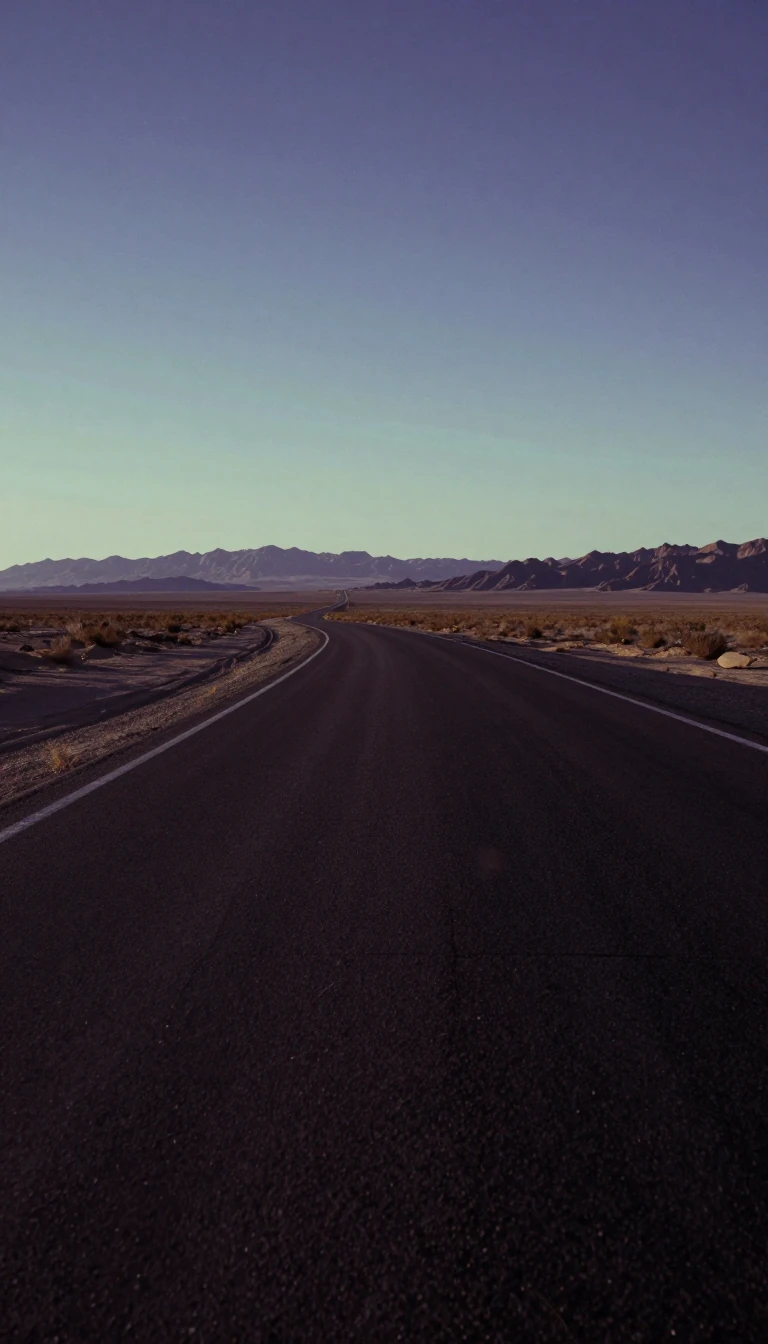
In short: Nestled in the Indian Wells Valley, Ridgecrest is a community defined by extremes. From the high-stakes testing of naval weapons systems to a landscape prone to massive earthquake swarms, this isolated California city thrives amidst desert heat and geological volatility.
Ridgecrest's identity is inextricably linked to the Naval Air Weapons Station China Lake (NAWS). Located adjacent to the city, this facility provides a massive economic engine, accounting for just under 8,000 jobs in 2018 through a mix of military personnel, government civilians, and private contractors. This high-tech industry has historically governed the city's growth, particularly through the testing of advanced arms and guidance systems. The city's development was further accelerated by the completion of the Los Angeles Aqueduct between 1908 and 1913. Additionally, the Southern Pacific Railroad played a vital role in attracting permanent residents to the valley.
The geography of the region is as challenging as it is significant. Surrounded by four mountain ranges—the Sierra Nevada, Coso, Argus, and El Paso—Ridgecrest is the most isolated community in Kern County. It sits approximately 82 miles from the Lancaster/Palmdale area and 110 miles from Bakersfield. The local climate is characterized by extreme desert conditions, with temperatures ranging from a record low of 1 °F to a high of 119 °F. The local environment is marked by intense wind speeds that can reach 75 mph. Furthermore, the region experiences very low annual precipitation, typically measuring less than 5 inches.
Geological instability is a constant presence. The area is associated with the Eastern California Shear Zone, which produces earthquake swarms that can involve thousands of quakes without a clear mainshock. Notable seismic events include the 1995 Ridgecrest earthquake sequence, which featured a magnitude 5.8 quake on September 20, and a significant series of quakes in July 2019, including a magnitude 7.1 mainshock on July 5. These events highlight the volatile nature of the Indian Wells Valley landscape. The 1995 seismic activity was particularly intense, with over 2,500 aftershocks occurring within five weeks. This specific sequence began in mid-August and significantly impacted the local community.
Opens the Intellect+ feed with this card first. Swipe up for the next one.
Sources
- Summary by Intellect · source: Ridgecrest, California
To cite this card, link to https://intellectplus.co.uk/app/culture-ridgecrest-california.
How we source, check and correct cards: Editorial standards.
General information, not professional advice. Spotted an error? Flag the card or see corrections and complaints.
Intellect Plus is a visual educational discovery platform for exploring fascinating facts and ideas. Brain Food, Not Brain Rot. What is Intellect Plus?
Related
More in Festivals & celebrations · More in Cultures · Latest · A–Z · All topics
