Southern California is a seismic powerhouse with a history of near-secession and massive growth.
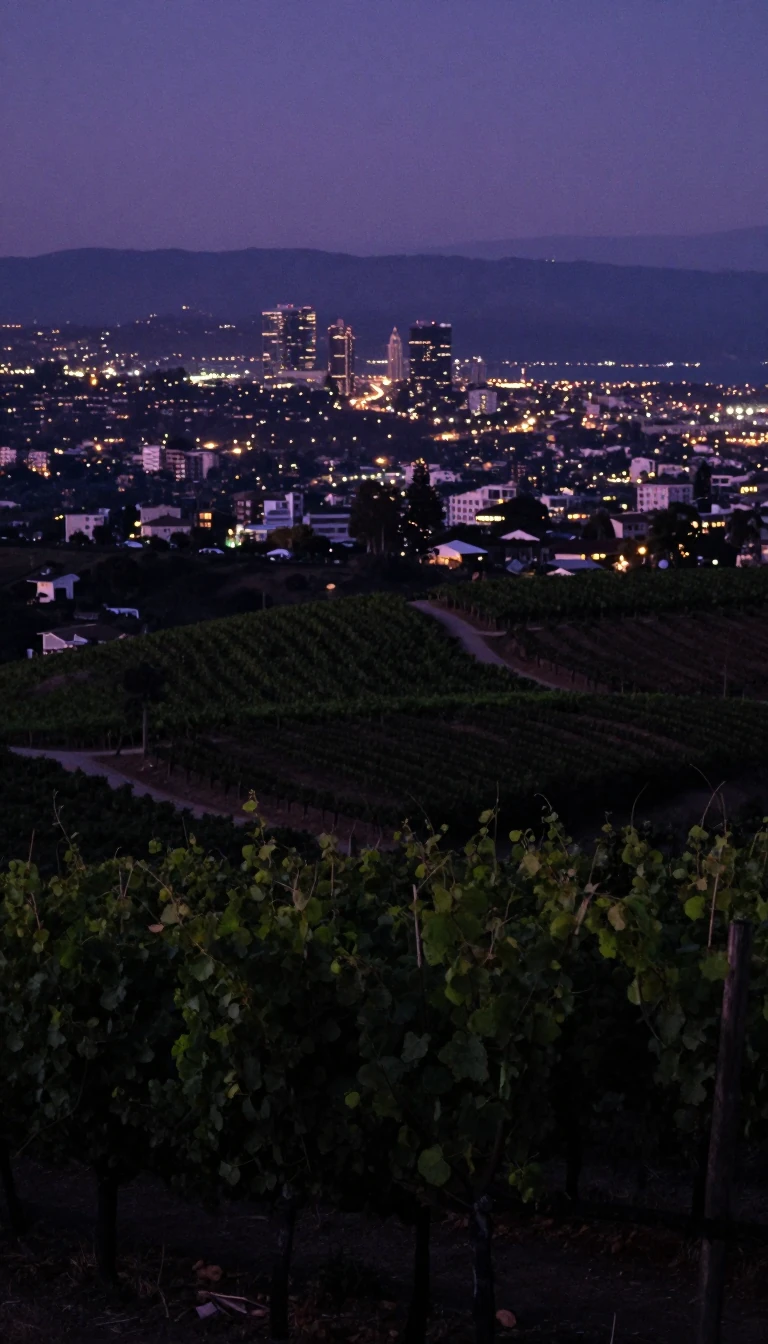
In short: Beyond its famous surf culture and entertainment hubs, Southern California is a complex, sprawling megalopolis of 23.76 million people. While often defined by its Mediterranean climate and coastal allure, the region sits atop a volatile network of faults, shaping everything from its urban planning to its unique geological identity.
Southern California is a vast, diverse region comprising ten counties, including Los Angeles, San Diego, and Riverside. Home to 23.76 million residents as of the 2020 census, it functions as a massive urban landscape that includes the Greater Los Angeles Combined Statistical Area—the second-largest in the United States. Despite its reputation for rapid expansion, the region's population growth has slowed relative to the state average since the 2000s, as economic momentum has shifted toward the tech-heavy Bay Area and Sacramento.
The region's history is marked by a persistent desire for independence. In 1859, the California State Legislature passed the Pico Act, which would have split the state to form the Territory of Colorado. Supported by nearly 75 percent of southern voters, the proposal stalled due to the onset of the American Civil War. Today, the region remains defined by its distinct geography, ranging from Pacific shorelines to the Mojave and Colorado deserts, and its reliance on industries like entertainment, aerospace, and logistics.
Geologically, the region is defined by its intense seismic activity, experiencing about 10,000 earthquakes annually. While most are imperceptible, the area is home to dangerous faults like the San Andreas, which has not ruptured in its southern section for roughly 400 years. Following the 1971 San Fernando earthquake, California enacted the Alquist Priolo Special Studies Zone Act to mandate seismic retrofitting and restrict construction near active faults. Despite these measures, the 1994 Northridge earthquake remains a stark reminder of the region's vulnerability, causing an estimated $20 billion in property damage.
Opens the Intellect+ feed with this card first. Swipe up for the next one.
Sources
- Summary by Intellect · source: Southern California
- Also: Wikidata — Southern California · CC0
To cite this card, link to https://intellectplus.co.uk/app/places-southern-california.
How we source, check and correct cards: Editorial standards.
General information, not professional advice. Spotted an error? Flag the card or see corrections and complaints.
Intellect Plus is a visual educational discovery platform for exploring fascinating facts and ideas. Brain Food, Not Brain Rot. What is Intellect Plus?
Related
More in Cities · More in Countries & Cities · Latest · A–Z · All topics
