The Roman Mass is the most widespread liturgical rite in all of Christianity
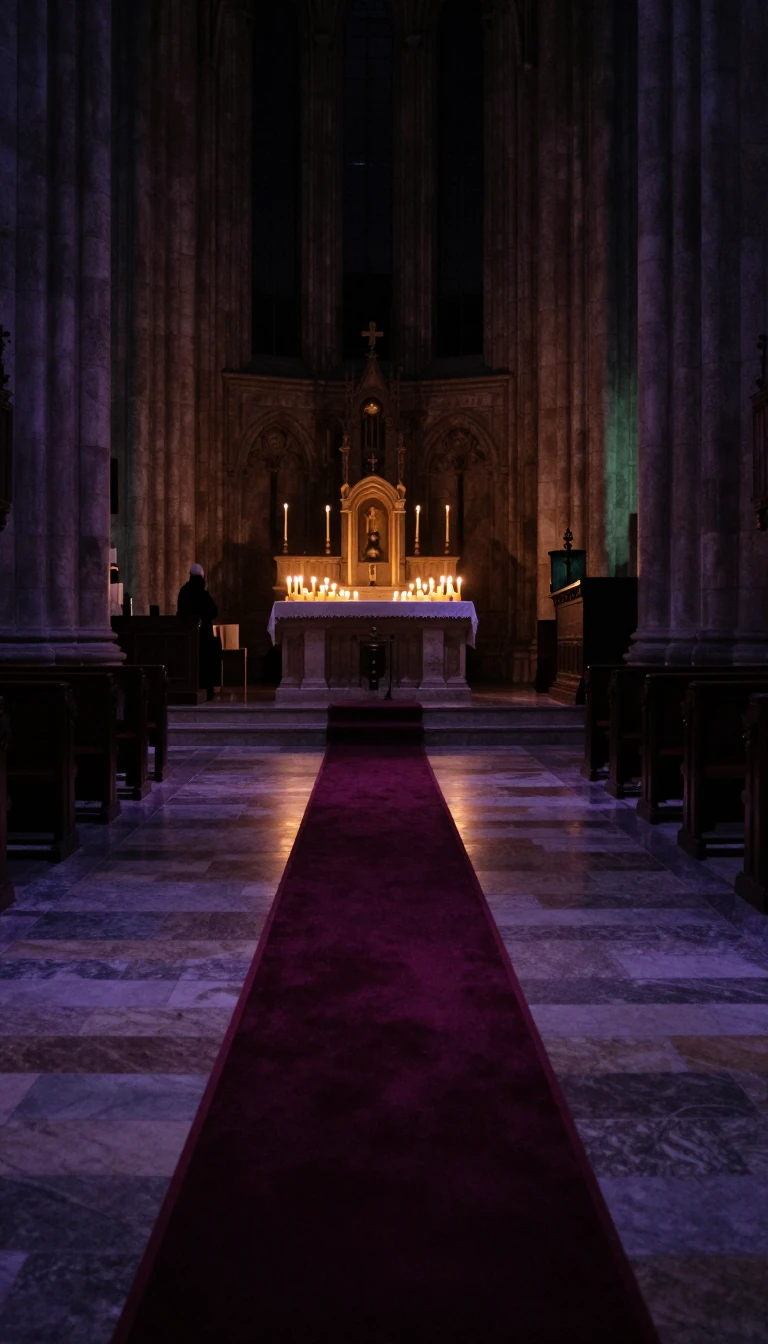
In short: Few rituals have traveled so far. The Roman Rite governs the Mass and the Liturgy of the Hours across the Latin Church, and it is now the most widely used liturgical rite in Christianity as a whole. Its shape was built over centuries, reshaped by councils, printing and modern reform, yet it still carries echoes of very old practice.
The Roman Rite took shape in Latin, within the city of Rome. Over time it spread to nearly every part of the Latin Church, although separate Latin traditions such as the Ambrosian Rite survived. In medieval times there were many local variants. Greater uniformity followed the spread of printing and the decrees of the Council of Trent, which met between 1545 and 1563. In 1570 Pope Pius V issued a missal that became the Tridentine Mass. Historians often divide the history of the Eucharistic liturgy into three stages: the Pre-Tridentine Mass, the Tridentine Mass, and the Mass of Paul VI.
After the Second Vatican Council, Pope Paul VI promulgated a 1969 edition that simplified rituals and allowed translation into local vernacular languages. Today it is normally celebrated in that form, as later revised under Pope John Paul II in 2002. The 1962 missal still may be used under conditions set out in the 2021 document Traditionis Custodes. How old the Roman Mass really is has a more complicated answer than popular belief suggests. In 1912 Adrian Fortescue argued that the Roman Mass goes back, without essential change, to an early age, and he called it very venerable.
Fortescue also recognized that the rite changed profoundly along the way. He noted that the earliest Roman form, described in a 2nd-century account by Justin Martyr, was of Eastern type. Sacramentaries from about the 6th century look much closer to the Mass as it was then known. Between those points, the Eucharistic prayer was reworked in a period scholars still debate, somewhere across the fourth to seventh centuries. The Roman Rite is known for its sobriety and, in its Tridentine form, for its formality. Its traditional chant is Gregorian, and as polyphony grew elaborate, priests often said parts of the Mass quietly rather than singing them, unlike the Eastern rites. The Catholic Church calls the Mass the source and summit of Christian life, and it is organized into two main parts, one of readings and one of the Eucharist.
Opens the Intellect+ feed with this card first. Swipe up for the next one.
Sources
- Summary by Intellect · source: Roman Rite
To cite this card, link to https://intellectplus.co.uk/app/culture-roman-rite.
How we source, check and correct cards: Editorial standards.
General information, not professional advice. Spotted an error? Flag the card or see corrections and complaints.
Intellect Plus is a visual educational discovery platform for exploring fascinating facts and ideas. Brain Food, Not Brain Rot. What is Intellect Plus?
Related
More in Cultures · Latest · A–Z · All topics
