How the Royal Navy evolved from a haphazard collection of ships into a global power.
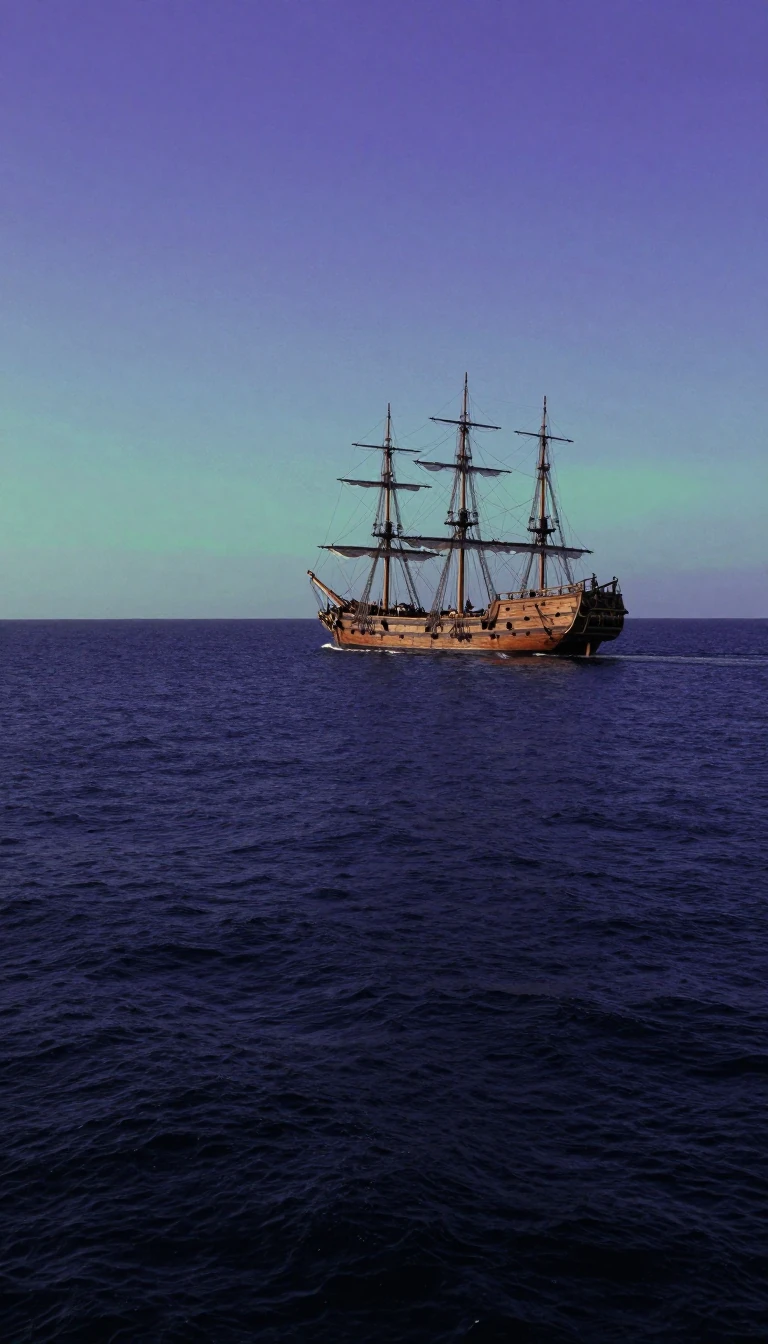
In short: The Royal Navy, Britain's oldest armed service, once dominated the world's oceans. From its formal 1546 founding by Henry VIII to its role as the backbone of the British Empire, the Senior Service transformed naval warfare through industrial innovation, strategic global bases, and a relentless pursuit of maritime superiority.
The Royal Navy’s origins are rooted in the medieval period, though early naval organization was notoriously haphazard. Kings frequently enlisted merchant ships for specific campaigns, which would disperse once the fighting concluded. It was not until the reign of Henry VIII in 1546 that a permanent 'Navy Royal' was established, complete with its own secretariat and purpose-built warships. This shift marked the beginning of a long journey toward professionalization, though the service remained a tool of the Crown until the 1660 Restoration, when it became a national institution.
By the 18th century, the Navy had become the world's most powerful maritime force, a position it held until the Second World War. This dominance was secured through a sophisticated network of imperial fortress colonies—such as Bermuda, Gibraltar, and Malta—and a commitment to technological advancement. The 1889 Naval Defence Act codified the 'two-power standard,' requiring the fleet to match the combined strength of the next two largest navies. This era of supremacy was further defined by the 1906 launch of HMS Dreadnought, a vessel so advanced it rendered all existing battleships obsolete overnight.
The 20th century brought significant challenges, including the transition from coal to fuel-oil and the constraints of inter-war naval treaties. During the Cold War, the force pivoted to an anti-submarine role, patrolling the GIUK gap to counter Soviet threats. Today, the Royal Navy maintains a modern, technologically sophisticated fleet, including Queen Elizabeth-class aircraft carriers and Vanguard-class ballistic missile submarines. It remains a vital component of the United Kingdom’s defense, operating from bases like Portsmouth, Clyde, and Devonport to protect global trade and national interests.
Opens the Intellect+ feed with this card first. Swipe up for the next one.
Sources
- Summary by Intellect · source: Royal Navy
- Also: Wikidata — Royal Navy · CC0
To cite this card, link to https://intellectplus.co.uk/app/culture-royal-navy.
How we source, check and correct cards: Editorial standards.
General information, not professional advice. Spotted an error? Flag the card or see corrections and complaints.
Intellect Plus is a visual educational discovery platform for exploring fascinating facts and ideas. Brain Food, Not Brain Rot. What is Intellect Plus?
Related
More in UK & Irish culture · More in Cultures · Latest · A–Z · All topics
